
Close Menu
    Facebook X (Twitter) Instagram
    SciTechDaily
    • Biology
    • Chemistry
    • Earth
    • Health
    • Physics
    • Science
    • Space
    • Technology
    Facebook X (Twitter) Pinterest YouTube RSS
    SciTechDaily
    Home»Biology»Kirtland’s Warblers Like To Live In Forests After A Fire
    Biology

    Kirtland’s Warblers Like To Live In Forests After A Fire

    By SciTechDailyDecember 9, 2011No Comments2 Mins Read
    Facebook Twitter Pinterest Telegram LinkedIn WhatsApp Email Reddit
    Share
    Facebook Twitter LinkedIn Pinterest Telegram Email Reddit
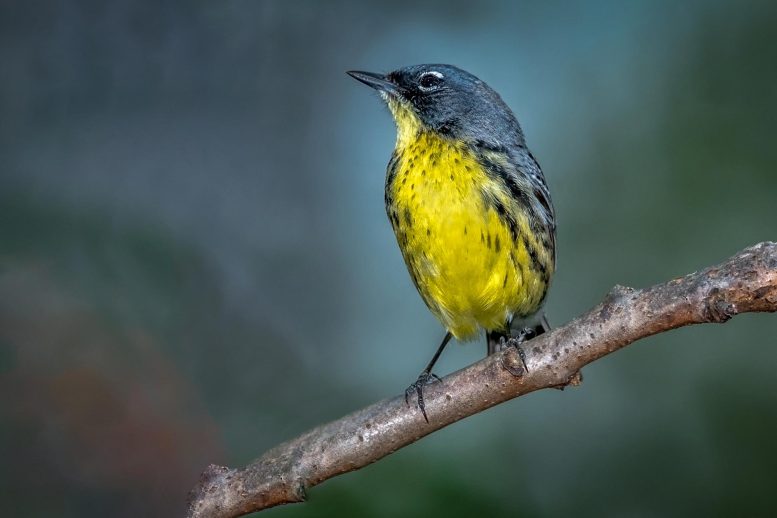
    Kirtland's Warbler (Setophaga kirtlandii)
    Kirtland’s Warbler (Setophaga kirtlandii).

    Kirtland’s warblers (named after Jared P. Kirtland) are an endangered species of birds that, like so many humans, spend summer in North America and winter in the Bahamas. Now a new study using data from NASA’s Landsat satellites shows that these birds prefer to live in young forests and forests that have previously suffered a fire.

    The birds have been listed as endangered since 1967 after a decline of over 50 percent of them in fewer than ten years was discovered. They like to nest on the ground in large areas of young jack pine trees. The problem is that these trees need fire to reproduce and thrive. In the 1960s fires were suppressed across Michigan and other nearby states. This is what caused the population decline. Their habitat was shrinking.

    Now the birds are making an impressive comeback thanks to a recovery program that combats invasive cowbirds and at the same time controls forest burns. Things are now looking up for these songbirds. As of 1995, their numbers had tripled. However, these efforts were only underway at the Kirtland’s summer home, so a team of researchers studied the conditions of their winter getaway, the Bahamian island of Eleuthera, by putting together Landsat data to create images of the isle’s forest cover.

    They confirmed that, just like in their summer home, these birds are found in young forests. On the island, these forests pop up after a fire, clearing for agriculture, or grazing by animals like goats. Of these, grazing seems to be the most attractive to them. Researchers suggest that goat grazing stunts the forest regrowth, allowing the ideal conditions for the birds.

    Never miss a breakthrough: Join the SciTechDaily newsletter.
    Follow us on Google and Google News.

    Fire Forests Landsat NASA
    Share. Facebook Twitter Pinterest LinkedIn Email Reddit

    Related Articles

    A World in a Test Tube: Removing Traces of Life in Lab Helps NASA Scientists Study Its Origins

    New Index Ranks Rainforests’ Vulnerability to Climate and Human Impacts

    DNA Hoarders: Genetic Duplication Linked to the Origin and Evolution of Pine Trees and Their Relatives

    Five Incredible Ways NASA Helps With Shark Conservation

    Deforestation Threatens One of the World’s Largest Eagles

    17 Years of Gravity Observations Show How Earth’s Water Cycle Is Ramping Up As Climate Warms

    Less Forest, More Species: Climate Change Drives Declining Biodiversity in Tibet’s Mountainous Regions

    Surprising Genetics Reveals Flexible Diet May Help Leaf-Eating Lemurs Resist Deforestation

    Noise Can Be Detrimental to Plant Life – Effects Persist Even Years After the Noise Has Been Removed

    Leave A Reply Cancel Reply

    • Facebook
    • Twitter
    • Pinterest
    • YouTube

    Don't Miss a Discovery

    Subscribe for the Latest in Science & Tech!

    Trending News

    Scientists Discover Major Errors in Al Gore-Founded Climate Pollution Database

    New Vitamin B12-Based Therapy Could Change How Brain Cancer Is Treated

    This Common Fat Could Be Fueling Type 2 Diabetes, Researchers Warn

    Simple Fiber Supplement Cuts Knee Arthritis Pain in Just 6 Weeks, Study Finds

    Common Asthma Drug May Reverse Dangerous Fatty Liver Disease

    Extra Weight Could Age Your Brain Faster, Study Warns

    Scientists Warn: America’s Most Popular Cooking Oil May Be Harming Your Intestines

    Scientists Say a 59,000-Year-Old Neanderthal Tooth Shows Evidence of Surgery

    Follow SciTechDaily
    • Facebook
    • Twitter
    • YouTube
    • Pinterest
    • Newsletter
    • RSS
    SciTech News
    • Biology News
    • Chemistry News
    • Earth News
    • Health News
    • Physics News
    • Science News
    • Space News
    • Technology News
    Recent Posts
    • Are Your Choices Really Yours? New Brain Study Raises Big Questions
    • Super Jupiters Expose a Long Standing Space Mystery
    • The Universe’s Most Powerful Particles May Be Even Stranger Than Scientists Thought
    • Scientists Just Tested a Thruster Powerful Enough for Human Missions to Mars
    • A Deadly Bird Disease Has Taken Over Hawaiʻi’s Forests
    Copyright © 1998 - 2026 SciTechDaily. All Rights Reserved.
    • Science News
    • About
    • Contact
    • Editorial Board
    • Privacy Policy
    • Terms of Use

    Type above and press Enter to search. Press Esc to cancel.