
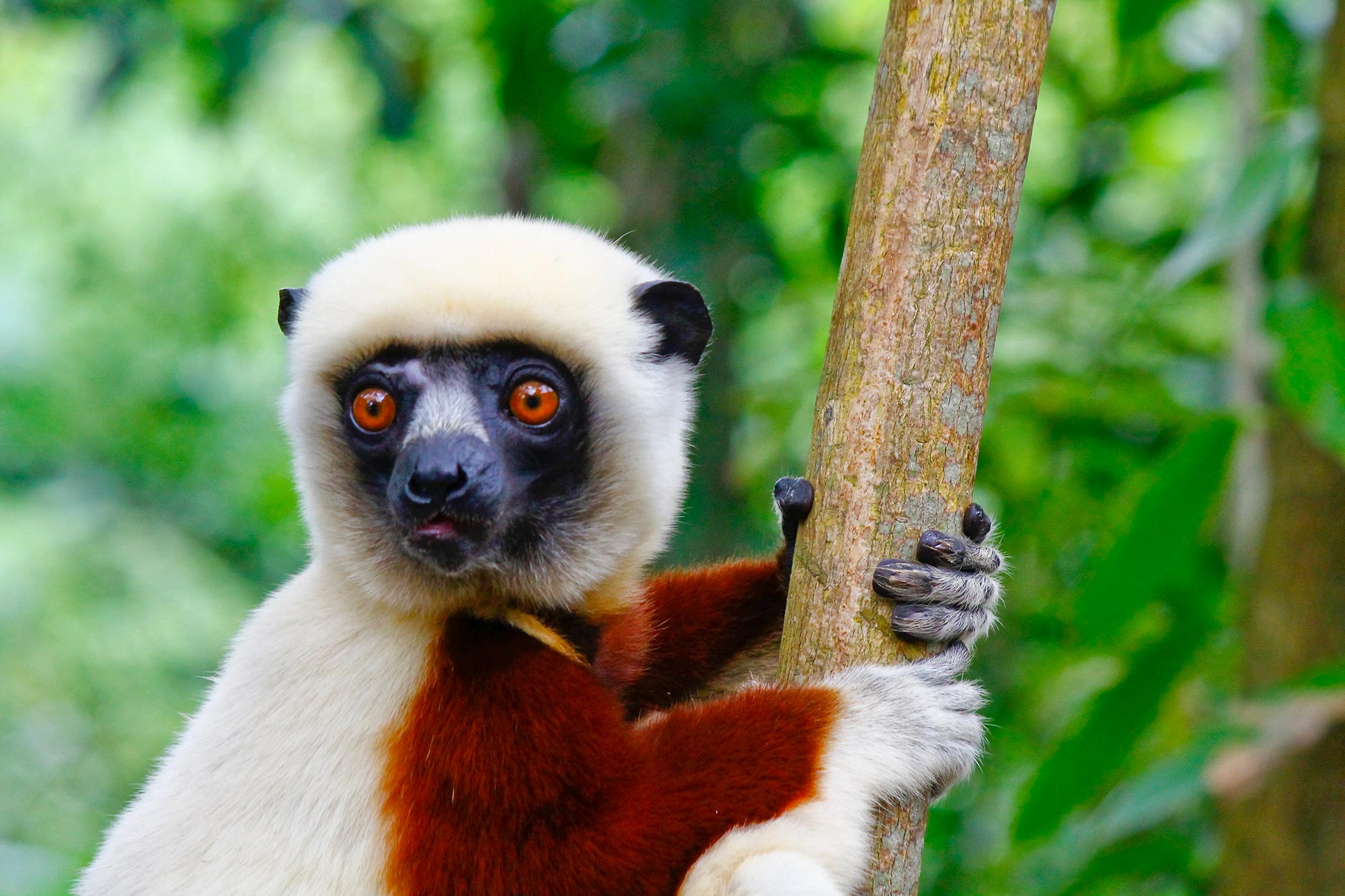
What if aging didn’t have to mean inflammation and decline? That’s the surprising possibility raised by a study on two species of lemurs that seem to defy “inflammaging”—the chronic, low-grade inflammation linked to aging and disease in humans.
Researchers found no age-related increase in inflammation or oxidative stress in these primates, suggesting that the condition might not be a universal feature of aging after all. This unexpected finding opens the door to rethinking the causes of human inflammaging—and whether we can age as gracefully as lemurs.
Lemurs and the Mysteries of Aging
Could lemurs help us better understand the link between inflammation and aging in humans, what scientists refer to as “inflammaging”? That was the central question for biological anthropologist Elaine Guevara, who specializes in how aging and life history have evolved in primates.
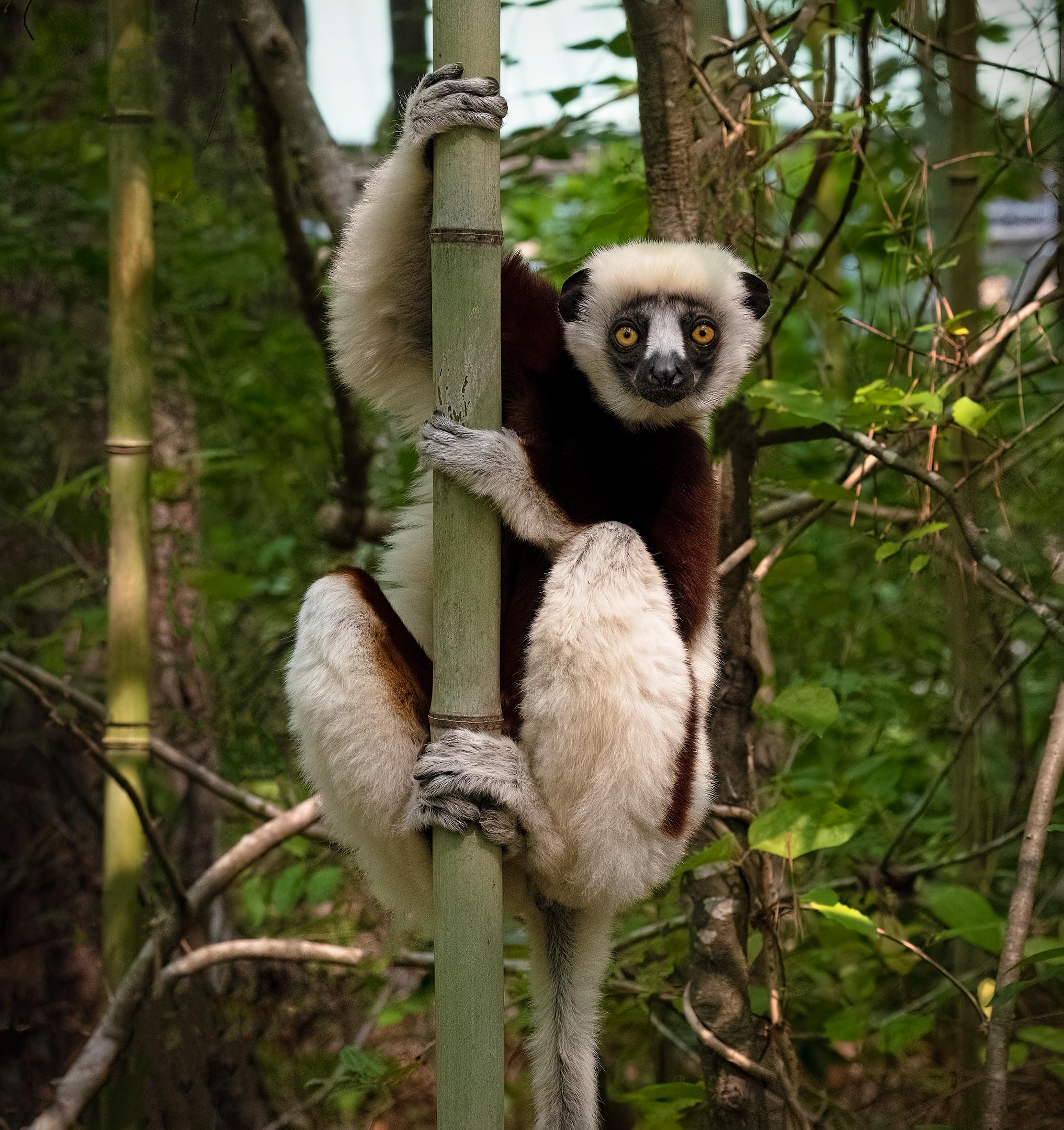
In her newly published study, Guevara examined patterns of age-related inflammation in two species of lemurs: ring-tailed and sifaka. What she found challenges long-held assumptions about aging in humans.
While the two lemur species share many similarities, they also differ in how fast they age and how long they live, making them ideal for comparison. And because both lemurs and humans are primates with a shared evolutionary past, these animals offer valuable clues about how aging may have developed across species.
Surprising Findings Defy Expectations
Guevara described her findings as “surprising.”
“Contrary to our predictions, neither species showed age-related change in either marker of oxidative stress. Neither lemur species exhibited age-related change in inflammation; if anything, contrary to our prediction, ring-tailed lemurs showed marginal declines in inflammation with age,” Guevara said.
This finding, consistent with a few recent studies of other non-human primates, suggests that lemurs avoid the phenomenon of “inflammaging” widely observed in humans.
The study shows inflammaging is not a universal feature of primates, pointing to some differences that might suggest it turns out it’s not even a universal feature of humans, according to Christine Drea, a professor of evolutionary anthropology who was one of the researchers working with Guevara.
What Is Inflammaging?
As we grow older, low-grade chronic inflammation sets in, which in turn can cause health problems such as heart disease, strokes, diabetes, cancer, and osteoarthritis.
Why inflammaging increases with age in humans, what causes i,t and how it can be prevented are answers to questions that can unlock critical information to help humans live longer and healthier lives.
Tracking Inflammation Through Urine
Drea said the team first had to find a way to measure oxidative stress, which can be found in blood, urine and saliva. They settled on urine.
“Our role at the beginning was planning, designing, brainstorming, comparing and getting these samples,” said Drea, who has worked with the Duke Lemur Center since 1999. The Lemur Center does not allow research that will harm the animals.
Captivity vs. Wild Aging
The next step says Guevara is to conduct similar research with lemurs in the wild.
“There are a lot of good reasons to think that aging can be quite different in captivity and in the wild, and that in itself, is informative to evaluating the degree to which human inflammation is intrinsic versus environmental,” she said.
Implications for Human Health
In the meantime, Guevara says this study serves as the first step in unraveling the question of why humans are suffering from inflammation-related and age-related conditions and finding ways to treat them.
“Neither lemur species exhibited age-related change in inflammation; if anything, contrary to our prediction, ring-tailed lemurs showed marginal declines in inflammation with age.”
Elaine Guevara
With a rapidly aging global population, “these insights are essential for mitigating disability and improving quality of life in later years,” she said.
Reference: “Comparison of age-related inflammation and oxidative stress in two lemur species” by Elaine E. Guevara, Nicholas M. Grebe, Richard R. Lawler, Anne Crowley, Savannah Lo, Elise N. Paietta, Janet L. Huebner, Virginia B. Kraus and Christine M. Drea, 2 July 2025, Journal of Comparative Physiology B.
DOI: 10.1007/s00360-025-01619-y
Never miss a breakthrough: Join the SciTechDaily newsletter.
Follow us on Google and Google News.