
Close Menu
    Facebook X (Twitter) Instagram
    SciTechDaily
    • Biology
    • Chemistry
    • Earth
    • Health
    • Physics
    • Science
    • Space
    • Technology
    Facebook X (Twitter) Pinterest YouTube RSS
    SciTechDaily
    Home»Health»Long-Standing Mystery Solved: Scientists Discover How Cells Create “Garbage Bags” To Remove Waste
    Health

    Long-Standing Mystery Solved: Scientists Discover How Cells Create “Garbage Bags” To Remove Waste

    By Walter and Eliza Hall InstituteMarch 18, 2025No Comments4 Mins Read
    Facebook Twitter Pinterest Telegram LinkedIn WhatsApp Email Reddit
    Share
    Facebook Twitter LinkedIn Pinterest Telegram Email Reddit
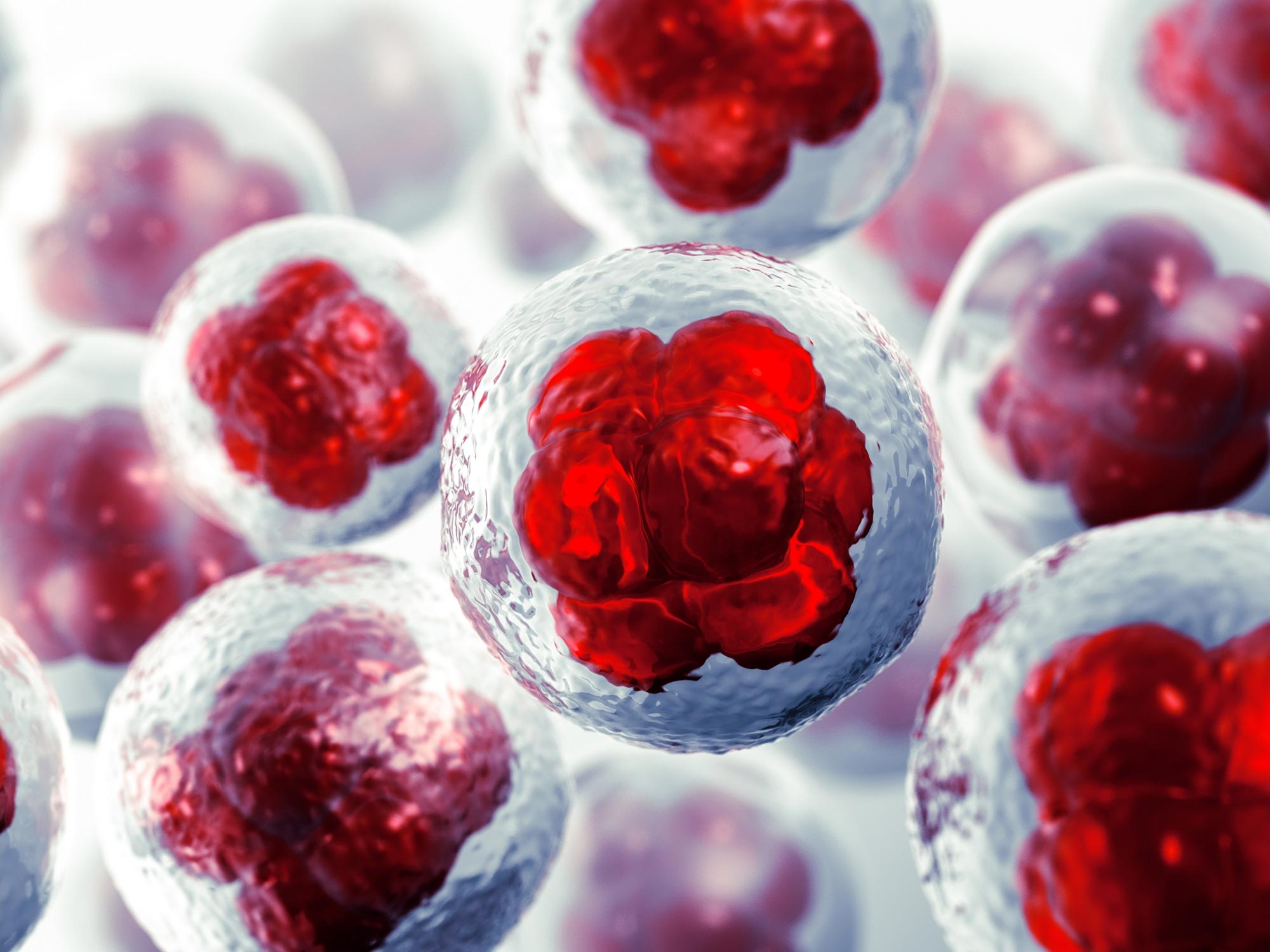
    Cells Biology Illustration
    An international research team has discovered how cells activate their recycling process by forming ‘garbage bags’ to remove waste, a breakthrough published in Science. This finding could pave the way for new treatments for neurodegenerative diseases like Parkinson’s and Alzheimer’s.

    Scientists have discovered how cells initiate waste recycling and form ‘garbage bags,’ a crucial process for health. This breakthrough may pave the way for future drugs to combat Parkinson’s, Alzheimer’s, and support healthy aging.

    An international research team has uncovered how cells initiate their recycling process by forming “garbage bags” to remove unwanted proteins.

    Co-led by the Walter and Eliza Hall Institute (WEHI) and published in Science, the study provides new insights into cellular waste disposal, which could contribute to future treatments for neurodegenerative diseases like Parkinson’s and Alzheimer’s.


    This video shows how a rotational mechanism in the autophagy promoting complex switches it on, so that it can drive the formation of cellular ‘garbage bags’. By identifying the switch that kickstarts the cell recycling process, researchers hope to work towards new treatments that can turn on autophagy to promote healthy aging and target diseases like Parkinson’s and beyond. Credit: WEHI

    Importance of cellular recycling

    The process of how cells get rid of waste and recycle useful materials, called autophagy, is critical to health.

    In some conditions such as Parkinson’s and Alzheimer’s disease, cell waste accumulates, causing protein build-ups due to the recycling signals not working properly.

    The new study, co-led by WEHI’s Professor Michael Lazarou, Professor Gerhard Hummer from the Max Planck Institute and Professor James H. Hurley from University of California, Berkeley, has unraveled one of the key cellular processes that govern autophagy.
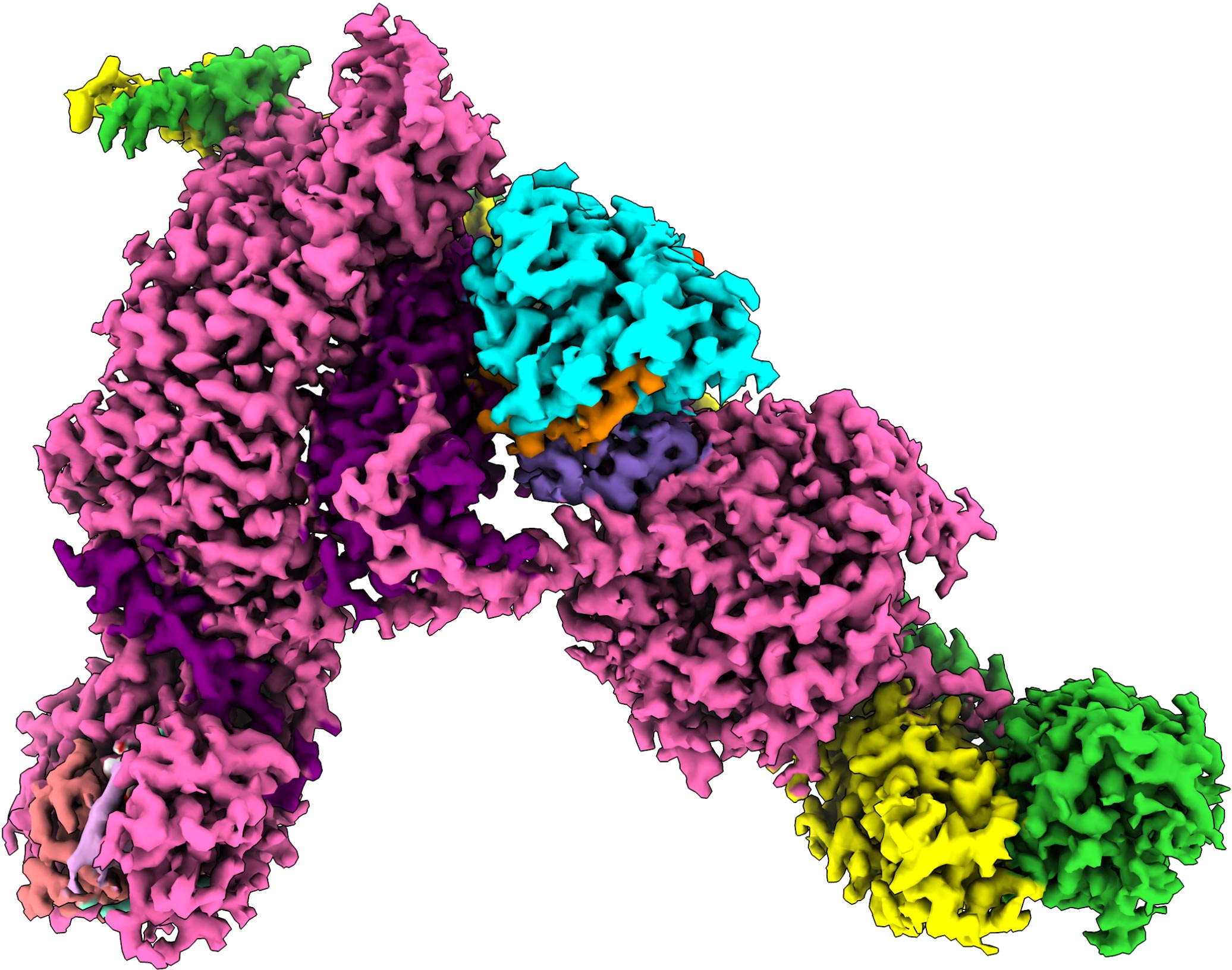
    Structure of the Autophagy Promoting Complex
    The cell recycling process, known as autophagy, is controlled by a complex group of proteins. This 3D image reveals the overall structure of the autophagy promoting complex, showing each of its individual components in different colors. Credit: WEHI

    The research team found how this process is controlled by a complex group of proteins, that add a molecular signal to a cell membrane.

    This signal is a critical step in switching on the autophagy process, allowing for the formation of cellular ‘garbage bags’ so that the damaged materials within cells can be recycled.

    “We know that cellular recycling is absolutely fundamental to our overall health but we’ve struggled to understand precisely how this complex process is regulated – and how we can fix it when it breaks,” said Prof Lazarou from WEHI’s Parkinson’s Disease Research Centre and Monash University’s Biomedicine Discovery Institute.

    “In our team’s new study, we discovered surprising ways those cellular ‘garbage bags’ are created and how this group of proteins is regulated. Crucially, we found the switch that kickstarts the process.
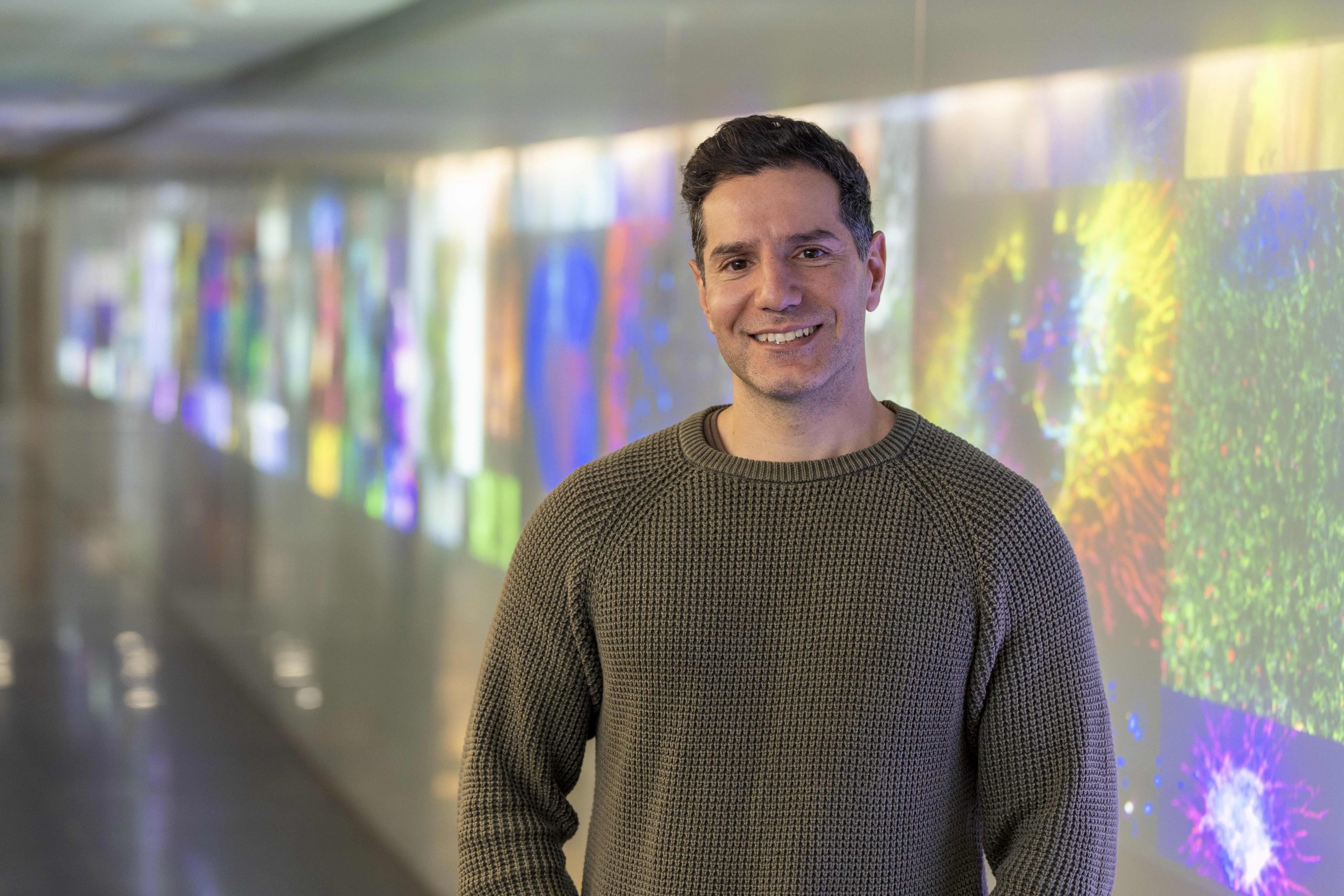
    Michael Lazarou
    Professor Michael Lazarou, co-corresponding author. Credit: WEHI

    “Now we know how this recycling process is switched on we hope that knowledge will in future lead to new treatments that can turn on that process to promote healthy aging and target diseases like Parkinson’s and beyond.”

    Reference: “Structural pathway for PI3-kinase regulation by VPS15 in autophagy” by Annan S. I. Cook, Minghao Chen, Thanh N. Nguyen, Ainara Claveras Cabezudo, Grace Khuu, Shanlin Rao, Samantha N. Garcia, Mingxuan Yang, Anthony T. Iavarone, Xuefeng Ren, Michael Lazarou, Gerhard Hummer and James H. Hurley, 6 February 2025, Science.
    DOI: 10.1126/science.adl3787

    The research is part of an international research grant through the Aligning Science Across Parkinson’s collaborative network, which fosters collaboration to better understand the underlying causes of Parkinson’s disease. Their aims of scale, transparency and open access data sharing are designed to accelerate the pace of discovery and find a cure for Parkinson’s.

    Never miss a breakthrough: Join the SciTechDaily newsletter.
    Follow us on Google and Google News.

    Alzheimer's Disease Parkinson's Disease
    Share. Facebook Twitter Pinterest LinkedIn Email Reddit

    Related Articles

    Stanford Scientists Discover That Adding a Particular Seafood to Your Diet Can Reverse Signs of Aging

    Stress Can Be Good – New Clues to Eliminating Build-Up of Toxic Proteins in Dementia

    Chemists Find an Effective Remedy for “Aged” Brain Diseases Such As Alzheimer’s and Parkinson’s

    Researchers Identify People That Are Missing a Critical Cell Process – Unique Insight Into Human Physiology

    Simple Blood Test Can Accurately Reveal Underlying Neurodegeneration (Dementia, ALS)

    Experimental Antibodies for Parkinson’s and Alzheimer’s May Cause Harmful Inflammation

    Identifying “The Terrorist Inside My Husband’s Brain” – Living Brain Imaging Can Clearly Differentiate Between Types of Dementia

    An Amazonian Tea Containing DMT Stimulates the Formation of New Brain Neurons

    Significant Link Found Between Air Pollution and Neurological Disorders in U.S.

    Leave A Reply Cancel Reply

    • Facebook
    • Twitter
    • Pinterest
    • YouTube

    Don't Miss a Discovery

    Subscribe for the Latest in Science & Tech!

    Trending News

    First-of-Its-Kind Discovery: Homer’s Iliad Found Embedded in a 1,600-Year-Old Egyptian Mummy

    Beyond Inflammation: Scientists Uncover New Cause of Persistent Rheumatoid Arthritis

    A Simple Molecule Could Unlock Safer, Easier Weight Loss

    Scientists Just Built a Quantum Battery That Charges Almost Instantly

    Researchers Unveil Groundbreaking Sustainable Solution to Vitamin B12 Deficiency

    Millions of People Have Osteopenia Without Realizing It – Here’s What You Need To Know

    Researchers Discover Boosting a Single Protein Helps the Brain Fight Alzheimer’s

    World-First Study Reveals Human Hearts Can Regenerate After a Heart Attack

    Follow SciTechDaily
    • Facebook
    • Twitter
    • YouTube
    • Pinterest
    • Newsletter
    • RSS
    SciTech News
    • Biology News
    • Chemistry News
    • Earth News
    • Health News
    • Physics News
    • Science News
    • Space News
    • Technology News
    Recent Posts
    • Scientists Just Solved the Mystery of the Twelve Apostles
    • Stone Age Mystery: DNA Reveals Ancient Population Wipeout in France
    • Why Did the Neanderthals Disappear? Scientists Reveal Humans Had a Hidden Advantage
    • Unusually Warm Water Detected Creeping Toward Antarctica – and Scientists Are Alarmed
    • Scientists Uncover Hidden Property of Light That Twists Matter Sideways
    Copyright © 1998 - 2026 SciTechDaily. All Rights Reserved.
    • Science News
    • About
    • Contact
    • Editorial Board
    • Privacy Policy
    • Terms of Use

    Type above and press Enter to search. Press Esc to cancel.