
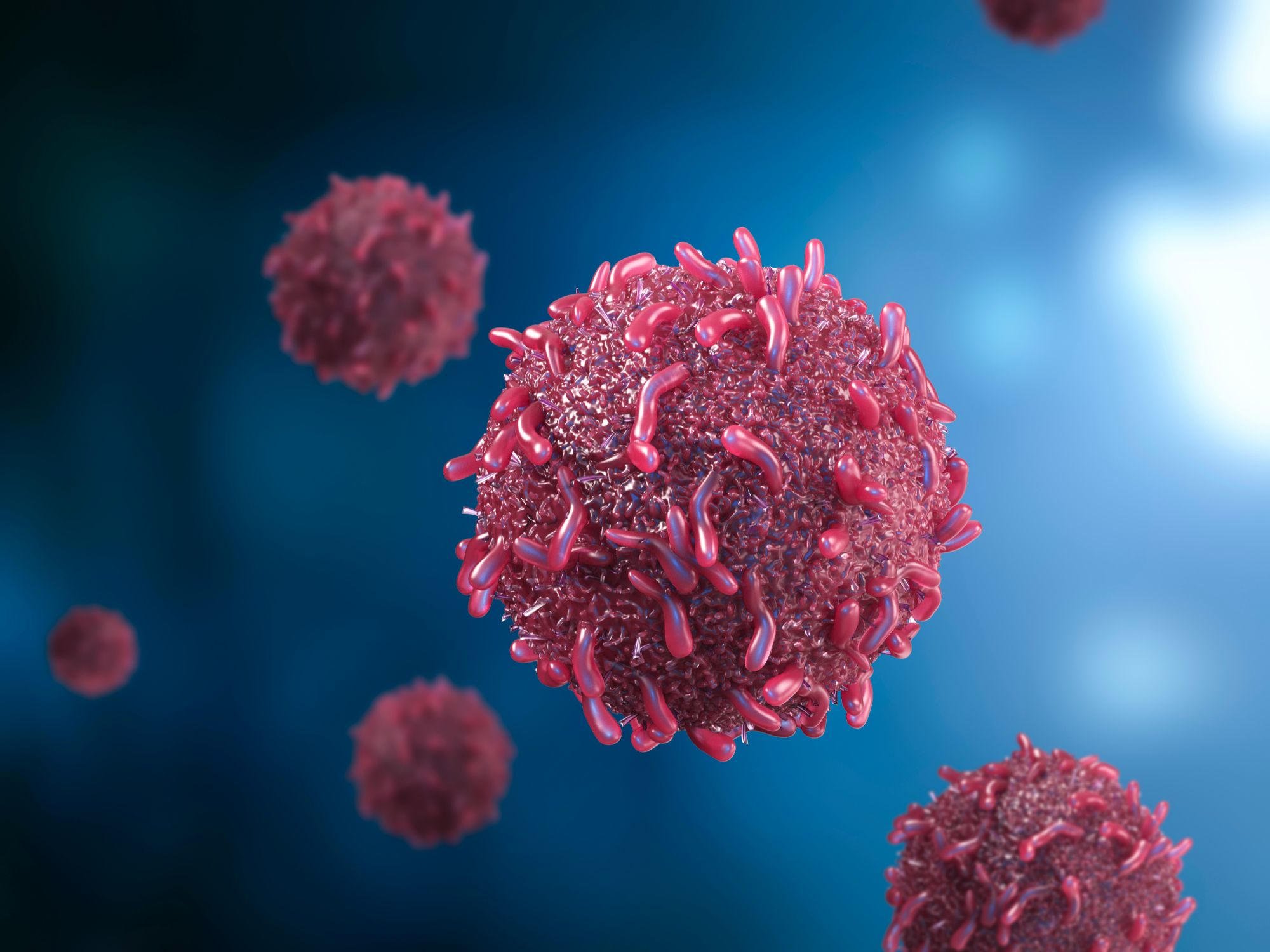
A recent study conducted by Lund University in Sweden has resolved a long-standing mystery: identifying which patients with aggressive breast cancer benefit from a targeted cancer treatment that was previously under development but had been discontinued. This breakthrough is significant, offering renewed hope that the drug’s development can resume and ultimately reach the patients who need it most.
Despite extensive research and development by North American scientists, spanning many years and costing millions of dollars, the drug ganitumab—which had shown promising results against breast cancer in animal trials—was ultimately shelved. While it underwent clinical testing and achieved some success, the critical question of which breast cancer patients would benefit from the treatment remained unresolved.
When developing new cancer therapies, it is often the case that not all patients with the same disease are helped by the same treatment. That is why clear diagnostic markers are needed. It was not possible, however, to find clear indicators that could show healthcare professionals which individuals actually benefitted from the treatment. The medicine blocks a receptor (IGFIR) on the tumor which, when activated, can lead to the tumor growing and spreading.
“It was a great disappointment to many of us in the field. We saw clear results in pre-clinical trials, but when we looked at entire patient cohorts it was not possible to draw firm conclusions. So, when I saw the results from the research group in Sweden, whose analysis came up with the answer as to which marker identified those who benefited from the drug, I was very pleasantly surprised,” says Michael Pollak, professor at McGill University in Canada and one of the co-authors of the study.
A Fresh Perspective on Old Data
Fortunately, the researchers in the USA had made all their data from the I-SPY2 trial available – perhaps other researchers would be able to solve the problem?
Christopher Godina, a post-doctoral researcher at Lund University and a junior doctor at Skåne University Hospital, was drawn to all the data collected after the clinical trials in Sweden and Canada. In the clinical studies, patients had been given the new drug before surgical treatment for breast cancer, but Christopher Godina looked at the data from a new perspective.
He mapped out the way in which various genes are expressed in the tumours and the ongoing processes around the cancerous tumour and compared this with patient outcomes. This involves advanced bioinformatics calculations, combining biology, computer science and mathematics to analyse biological data, focussing here on genetic, molecular and clinical data.
The aim was to see if it was possible to find any marker that the patients who were helped by the treatment had in common. Surprisingly, it did not matter whether or not the tumor had the receptor the medicine was supposed to block on the cell surface.
The Breakthrough Discovery: IGFBP7
“We found a biomarker, IGFBP7, that helps us to show which patients may benefit from this treatment. In the group with lowest levels of the marker, almost 50 percent (in 15 out of 32 patients) of aggressive tumors disappeared completely before surgery and 66 percent of the most aggressive triple negative tumors disappeared (in 12 out of 18 patients). This was certainly not the biomarker we expected to provide the answer, and that might be why the riddle hasn’t been solved before,” says Christopher Godina, first author of the study.
The result was surprising. Previously, it was thought that tumors which contained a lot of this particular protein, IGFBP7, could be treated with the medicine. The reverse turned out to be true: the drug is effective for those whose tumors contained little of the protein. The study, recently published in the scientific journal NPJ Precision Oncology, shows that it is possible to identify the group of patients who will be helped by the treatment.
“A quarter of all patients with aggressive breast cancer may benefit from the treatment. The discovery is potentially something of a breakthrough after several unsuccessful attempts to show which patients benefit from this treatment,” says Helena Jernström, professor at Lund University and one of the researchers behind the study. It is also possible that patients with types of cancer other than breast cancer may be helped by the medicine.
The researchers say that this result demonstrates the value of open data. If the American researchers had not made their results available, it would have been difficult to solve the mystery.
“In this case, it was possible for others to analyze the results and see if they could find something that the earlier researchers had missed. So, it all stems from their openness. We hope that this will now lead the drug companies that have shelved this medicine for cancer treatment to resume its development,” concludes Christopher Godina.
Reference: “Targeting IGF-IR improves neoadjuvant chemotherapy efficacy in breast cancers with low IGFBP7 expression” by Christopher Godina, Michael N. Pollak and Helena Jernström, 3 October 2024, npj Precision Oncology.
DOI: 10.1038/s41698-024-00712-9
Never miss a breakthrough: Join the SciTechDaily newsletter.
Follow us on Google and Google News.