
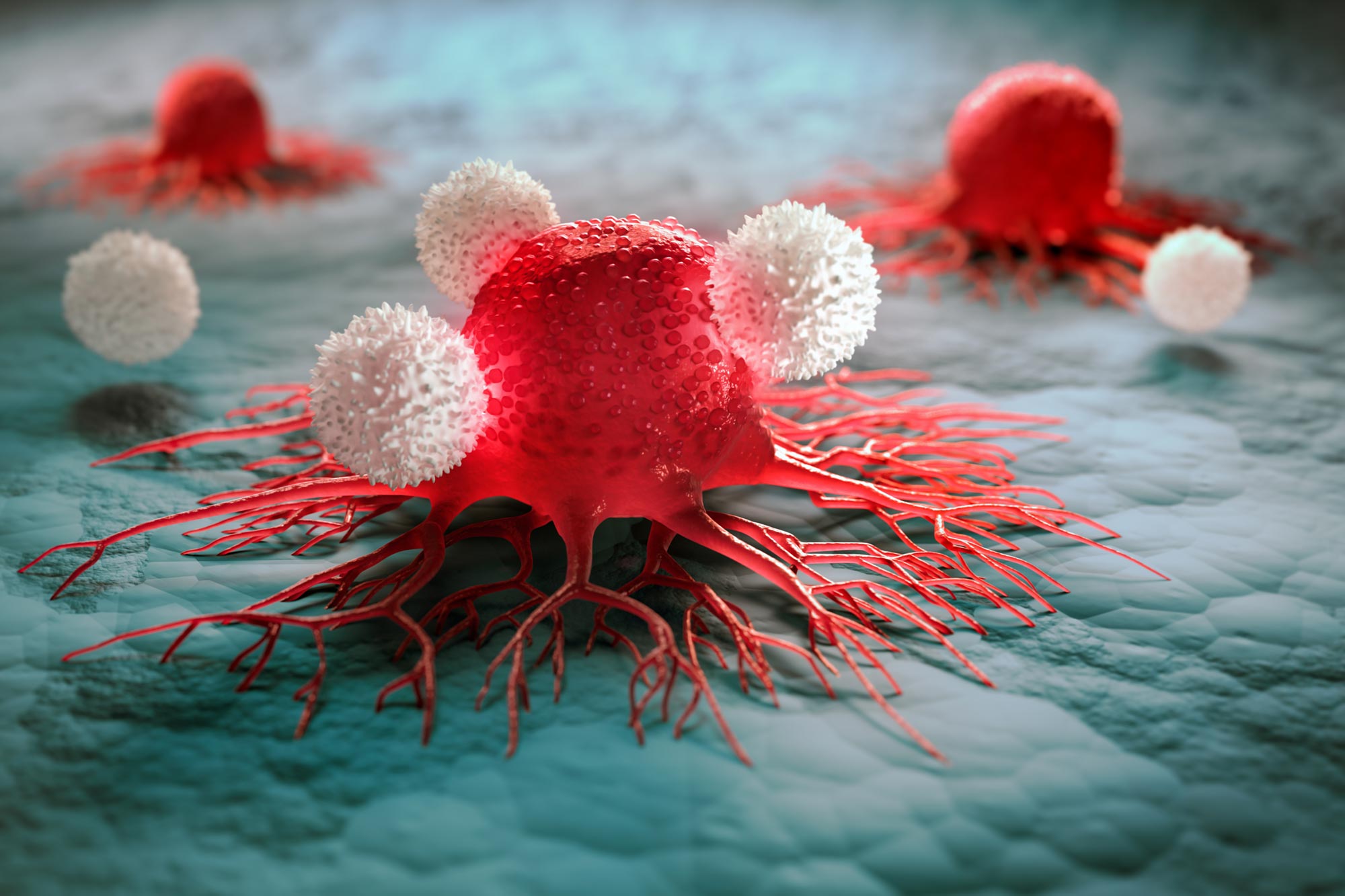
A new experimental approach is rethinking how cancer treatments reach their targets.
Mayo Clinic scientists are exploring an unusual but promising strategy to treat one of the deadliest bile duct cancers by turning milk into a microscopic delivery system for gene therapy. Their work focuses on cholangiocarcinoma, a rare cancer that is often diagnosed late and is difficult to treat with existing drugs.
Instead of relying on conventional chemotherapy, the researchers engineered tiny particles made from milk fats to carry genetic material directly into tumor cells. The study, published in JHEP Reports, highlights how this approach could selectively disable cancer at its source while minimizing damage to healthy tissue.
“One significant issue is the lack of medications that treat the specific alterations in these cancers,” says Rory Smoot, M.D., surgical oncologist at Mayo Clinic in Rochester and senior author of the study. “Our approach is designed to turn off specific cancer-driving genes while leaving healthy tissue alone.”
Targeting Cancer at the Genetic Level
To accomplish this, the research team used a gene therapy approach based on small interfering RNA (siRNA), a type of molecule that can temporarily switch off selected genes. This allows scientists to focus on the genes that drive tumor growth.
Researchers then searched through a massive library of 600 trillion DNA sequences to find molecules that could attach specifically to cancer cells. Using a method called Cell-SELEX, they identified a short DNA fragment known as an aptamer. This molecule acts like a homing signal, helping it locate and bind to cholangiocarcinoma cells.
The aptamer was linked to tiny fat-based particles made from milk. These particles were previously developed by Tushar Patel, M.B., Ch.B., a transplant hepatologist and researcher at Mayo Clinic in Florida, as a safe way to transport treatments through the body.
The nanoparticles were loaded with siRNA and equipped with the tumor-targeting aptamer, allowing the therapy to enter cancer cells directly. This targeted approach helps reduce the risk of affecting nearby healthy tissue.
“We showed that this system could deliver gene-silencing therapy straight to the cancer,” says Brandon Wilbanks, Ph.D., postdoctoral research fellow at Mayo Clinic and first author of the study. “This led to decreases in cancer growth and an increase in cancer cell death, without harming nearby healthy tissues.”
Looking Ahead
These results are still in the preclinical stage, but Mayo Clinic has patented the technology. Researchers are now refining the gene targets and testing the method in different types of cholangiocarcinoma.
The ultimate aim is to create personalized gene therapies delivered through this milk-based system to improve patient outcomes.
“These advances bring real hope,” says Dr. Smoot. “They show that it may be possible to develop safer, more personalized treatments for patients who currently have very limited options.”
Reference: “Cell-SELEX identifies a DNA aptamer for highly selective in vivo siRNA delivery in cholangiocarcinoma” by Brandon A. Wilbanks, Ayano Kabashima, Enis H. Ozmert, Jack W. Sample, Julia Driscoll, Danielle M. Carlson, Caroline D. Doherty, Brooke Kimball, Jayla Millender, Irene K. Yan, Hidemi Nishi, Piyush Gondaliya, Keenan S. Pearson, Gregory J. Gores, Tushar Patel, L. James Maher and Rory L. Smoot, 16 March 2026, JHEP Reports.
DOI: 10.1016/j.jhepr.2026.101779
This research was funded by the Mayo Clinic RNA Discovery and Translation Program, the Mayo Clinic Department of Surgery, the Mayo Clinic Hepatobiliary SPORE NCI, the Mayo Clinic Center for Cell Signaling in Gastroenterology, JSPS KAKENHI Fostering Joint International Research, and the University of Wisconsin Biology of Aging and Age-Related Diseases.
Never miss a breakthrough: Join the SciTechDaily newsletter.
Follow us on Google and Google News.
2 Comments
Is there treatment for ampullary adenocarcinoma bcz whipple procedure has jst 3-5yrs life n lot of complications after surgery is immunotherapy etc has a permanent cure
Is there treatment for ampullary adenocarcinoma bcz whipple procedure has jst 3-5yrs life n lot of complications after surgery is immunotherapy etc has a permanent cure .advice can save lots of lives