
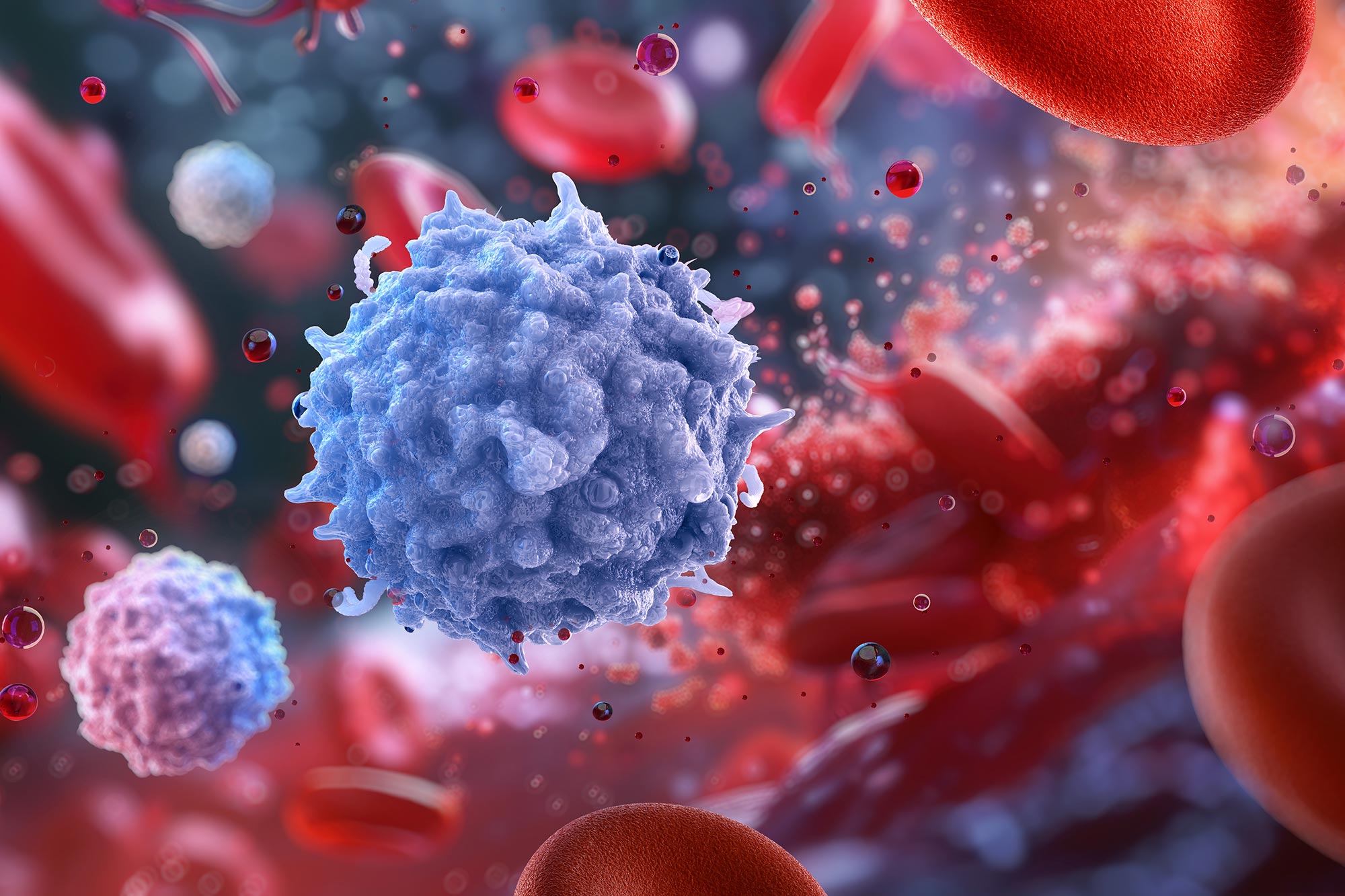
As the immune system weakens with age, researchers have found a way to temporarily boost its function by reprogramming liver cells to support T-cell development.
As people get older, the immune system often becomes less effective. T cell numbers shrink and these cells tend to respond more slowly to invading germs, which can increase vulnerability to many kinds of infections.
To address this problem, scientists at MIT and the Broad Institute developed a method to temporarily program liver cells in a way that strengthens T-cell performance. The goal is to make up for the age-related decline of the thymus, the organ where T cells normally mature.
The team used mRNA to deliver three important factors that typically support T-cell survival, and this approach refreshed immune function in mice. Older mice given the treatment produced larger, more varied T cell populations after vaccination, and they also showed improved responses to cancer immunotherapy.
The researchers say that if this strategy can be adapted for patients, it could help people stay healthier as they age.
“If we can restore something essential like the immune system, hopefully we can help people stay free of disease for a longer span of their life,” says Feng Zhang, the James and Patricia Poitras Professor of Neuroscience at MIT, who has joint appointments in the departments of Brain and Cognitive Sciences and Biological Engineering.
Zhang, who is also an investigator at the McGovern Institute for Brain Research at MIT, a core institute member at the Broad Institute of MIT and Harvard, and an investigator in the Howard Hughes Medical Institute, is the senior author of the new study. Former MIT postdoc Mirco Friedrich is the lead author of the paper, which appears in Nature.
A temporary factory
The thymus, a small organ located in front of the heart, plays a critical role in T-cell development. Within the thymus, immature T cells go through a checkpoint process that ensures a diverse repertoire of T cells. The thymus also secretes cytokines and growth factors that help T cells to survive.
However, starting in early adulthood, the thymus begins to shrink. This process, known as thymic involution, leads to a decline in the production of new T cells. By the age of approximately 75, the thymus is essentially nonfunctional.
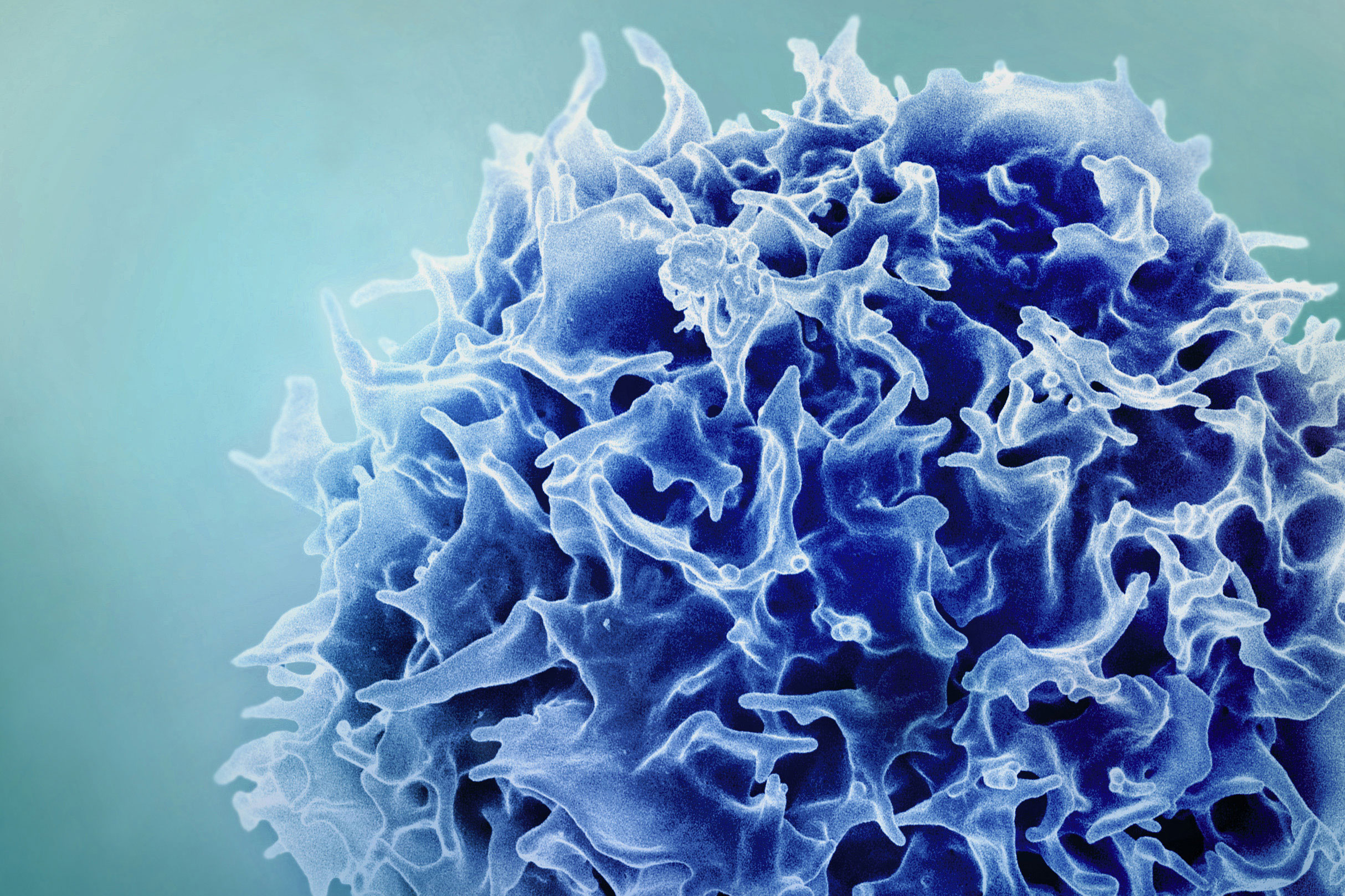
“As we get older, the immune system begins to decline. We wanted to think about how can we maintain this kind of immune protection for a longer period of time, and that’s what led us to think about what we can do to boost immunity,” Friedrich says.
Previous work on rejuvenating the immune system has focused on delivering T cell growth factors into the bloodstream, but that can have harmful side effects. Researchers are also exploring the possibility of using transplanted stem cells to help regrow functional tissue in the thymus.
The MIT team took a different approach: They wanted to see if they could create a temporary “factory” in the body that would generate the T-cell-stimulating signals that are normally produced by the thymus.
“Our approach is more of a synthetic approach,” Zhang says. “We’re engineering the body to mimic thymic factor secretion.”
For their factory location, they settled on the liver, for several reasons. First, the liver has a high capacity for producing proteins, even in old age. Also, it’s easier to deliver mRNA to the liver than to most other organs of the body. The liver was also an appealing target because all of the body’s circulating blood has to flow through it, including T cells.
To create their factory, the researchers identified three immune cues that are important for T-cell maturation. They encoded these three factors into mRNA sequences that could be delivered by lipid nanoparticles. When injected into the bloodstream, these particles accumulate in the liver, and the mRNA is taken up by hepatocytes, which begin to manufacture the proteins encoded by the mRNA.
The factors that the researchers delivered are DLL1, FLT-3, and IL-7, which help immature progenitor T cells mature into fully differentiated T cells.
Immune rejuvenation
Tests in mice revealed a variety of beneficial effects. First, the researchers injected the mRNA particles into 18-month-old mice, equivalent to humans in their 50s. Because mRNA is short-lived, the researchers gave the mice multiple injections over four weeks to maintain a steady production by the liver.
After this treatment, T cell populations showed significant increases in size and function.
The researchers then tested whether the treatment could enhance the animals’ response to vaccination. They vaccinated the mice with ovalbumin, a protein found in egg whites that is commonly used to study how the immune system responds to a specific antigen. In 18-month-old mice that received the mRNA treatment before vaccination, the researchers found that the population of cytotoxic T-cells specific to ovalbumin doubled, compared to mice of the same age that did not receive the mRNA treatment.
The mRNA treatment can also boost the immune system’s response to cancer immunotherapy, the researchers found. They delivered the mRNA treatment to 18-month-old mice, who were then implanted with tumors and treated with a checkpoint inhibitor drug. This drug, which targets the protein PD-L1, is designed to help take the brakes off the immune system and stimulate T cells to attack tumor cells.
Mice that received the treatment showed much higher survival rates and longer lifespan that those that received the checkpoint inhibitor drug but not the mRNA treatment.
The researchers found that all three factors were necessary to induce this immune enhancement; none could achieve all aspects of it on their own. They now plan to study the treatment in other animal models and to identify additional signaling factors that may further enhance immune system function. They also hope to study how the treatment affects other immune cells, including B cells.
Reference: “Transient hepatic reconstitution of trophic factors enhances aged immunity” by Mirco J. Friedrich, Julie Pham, Jiakun Tian, Hongyu Chen, Jiahao Huang, Niklas Kehl, Sophia Liu, Blake Lash, Fei Chen, Xiao Wang, Rhiannon K. Macrae and Feng Zhang, 17 December 2025, Nature.
DOI: 10.1038/s41586-025-09873-4
The research was funded in part by the Howard Hughes Medical Institute, the K. Lisa Yang Brain-Body Center at MIT, Broad Institute Programmable Therapeutics Gift Donors, the Pershing Square Foundation, the Phillips family, J. and P. Poitras, and an EMBO Postdoctoral Fellowship.
Never miss a breakthrough: Join the SciTechDaily newsletter.
Follow us on Google and Google News.
12 Comments
So tired of hearing about these discoveries and breakthroughs and and health that nobody ever delivers an actual product false prophets.. So until you can bring a product to market don’t advertise it as a discovery or a breakthrough Make it a product to the consumers because that’s who you’re doing advertising your articles. Cowboy the f******up.. I think I can speak for all of us on that comments discoveries and articles that are published. I’ll talk never know walk. We’re So tired of these articles that we found this we discovered that, but nothing in the end…
I can’t agree more
John N: You just wrote what I had been thinking for years. The thing is scientists have incentives in making new discoveries so they do that.
I totally agree with everyone who has commented about all the “maybe” hype for breakthroughs. Just let me know about human clinical trials.
I have stuff now and may be interested. Boosting ones immune system after 50 sounds great, if only I were a mouse.
The fda is the problem and with good reason, meds take 20 years for mainstream, you cant just shove anything to the population and hope for the best.
I agree. It’s great to hear about all these medical breakthroughs, but its also so very frustrating not seeing them come to fruition. I agree, don’t want to read about them until they are medically being used as treatment.
What are some of the typos I can’t edit it That’s voice recognition for you It doesn’t even work.
Really comes down to just a whole lot of Charlie Brown adult conversations…
Cowboy the f******up.. I think I can speak for all of us?
That is an exciting adult conversation.
ALL?
a real comedian.
If you can’t take the heat and your patience is thin, get out of the kitchen and go read national inquirer or TMZ.
Great content
So true you guys need to just come out with it already and actually help people that are in need and without the heavy price tags what good is it if the average person can’t even be approved or afford it in the first place!
Gene editing and gene therapy is doable and it’s accelerated with higher efficiency and specificity with AI tools. One day we will ask what is the best reference of a Human Genome to use 😉
Get rid of red tape and make the process quicker as we are getting older and patience is getting thin