
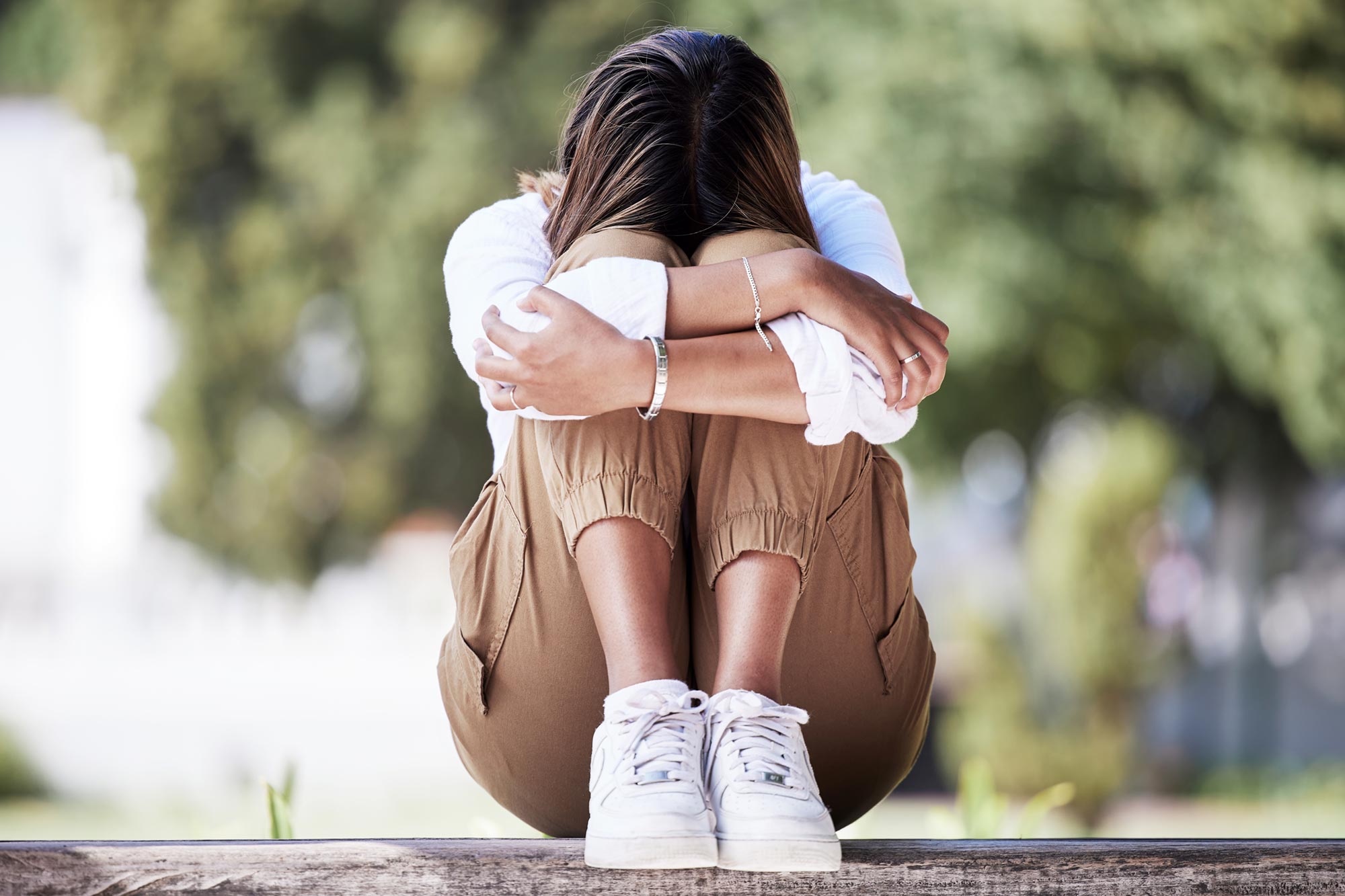
Heavy social media use is tied to rising loneliness among college students, with real-world connections offering protection.
More than half of college students report feeling lonely, and those who spend the most time on social media are especially likely to feel isolated, according to a large US study of people ages 18 to 24.
The findings, published in the Journal of American College Health, show that even moderate use matters. Spending about 16 hours per week, or roughly two hours per day, on social media was associated with higher odds of loneliness.
Researchers say colleges should take an active role by educating students about the impact of social media and encouraging limits on daily use.
Mental Health Risks and Transition to Adulthood
Dr. Madelyn Hill, now an assistant professor at Ohio University, led the research while completing her doctoral studies at the University of Cincinnati’s School of Human Services in spring 2025. She explains, “We know that people who are lonely are more likely to become depressed. We also know that those who are lonely are more likely to die early.
“Young adulthood is a time of many changes, from leaving home for the first time to starting college and forming new friendships, and it is vital that colleges and universities do all they can to help their students forge connections with others.”
Earlier studies show that Instagram, Facebook, and Snapchat are among the most popular platforms for young adults.
Social Media Use and Mixed Research Findings
Some research suggests that heavy social media use can reduce time spent socializing in person. However, studies have reached mixed conclusions on whether this directly leads to loneliness.
To investigate further, Hill and her team analyzed data from 64,988 students ages 18 to 24 across more than 120 colleges who participated in a national survey.
Participants reported how often they felt left out, lacked companionship, or experienced isolation, which researchers used to assess loneliness.
Key Findings on Loneliness and Student Demographics
The study found that:
- 54% of students experienced loneliness, consistent with other recent US research.
- Female and Black students were more likely to feel lonely.
- Students enrolled in hybrid courses reported less loneliness than those attending fully in person, possibly because they maintained connections with existing friends.
- Students involved in fraternities or sororities were among the least likely to feel lonely, likely due to more frequent social events.
- In contrast, those living at home reported higher levels of loneliness than students living on campus.
Social Media Usage and Loneliness Risk
Students were also asked how much time they spent on social media each week.
About 13% reported heavy use, defined as at least 16 hours per week. As usage increased, so did the likelihood of feeling lonely.
- Students using social media for 16 to 20 hours weekly were 19% more likely to report loneliness than nonusers.
- Those spending 21 to 25 hours and 26 to 30 hours per week had 23% and 34% higher likelihoods, respectively.
- The heaviest users, those spending at least 30 hours weekly, were 38% more likely to feel lonely.
Researchers caution that the relationship may work in both directions. Some students may feel lonelier because social media replaces in-person interaction, while others who already feel isolated may turn to online platforms for support.
They also note that some participants may have underestimated their actual time spent online.
Reducing Social Media Use and Public Health Implications
Despite these limitations, the authors believe that reducing excessive social media use could help lower loneliness among students.
Senior author Dr. Ashley L. Merianos of the University of Cincinnati said, “These results underscore how widespread loneliness is among college students and highlight that excessive social media use may be replacing the meaningful interactions that protect their mental health. A key public health strategy to combat this loneliness epidemic is to strengthen social connections and help students build supportive relationships with their peers offline.”
Dr. Hill adds, “Academic institutions should educate college students about the potential negative effects of excessive social media use, including loneliness.
“Helping students understand how excessive social media use can affect their well-being may lead to some of them assessing how much time they spend on it. They may then cut back on it or even set time limits for themselves.
“Institutions should also work to encourage students to attend social events on campus.”
Reference: “Exploration of excessive social media use with loneliness among U.S. College students” by Madelyn J. Hill, Keith A. King, Rebecca A. Vidourek, Matthew Lee Smith and Ashley L. Merianos, 15 February 2026, Journal of American College Health.
DOI: 10.1080/07448481.2025.2573108
Never miss a breakthrough: Join the SciTechDaily newsletter.
Follow us on Google and Google News.