
Close Menu
    Facebook X (Twitter) Instagram
    SciTechDaily
    • Biology
    • Chemistry
    • Earth
    • Health
    • Physics
    • Science
    • Space
    • Technology
    Facebook X (Twitter) Pinterest YouTube RSS
    SciTechDaily
    Home»Health»Unlocking Academic Success: How Pre-Pandemic Campus Sports Boosted Resilience During Lockdowns
    Health

    Unlocking Academic Success: How Pre-Pandemic Campus Sports Boosted Resilience During Lockdowns

    By University of WaterlooMarch 26, 2023No Comments3 Mins Read
    Facebook Twitter Pinterest Telegram LinkedIn WhatsApp Email Reddit
    Share
    Facebook Twitter LinkedIn Pinterest Telegram Email Reddit
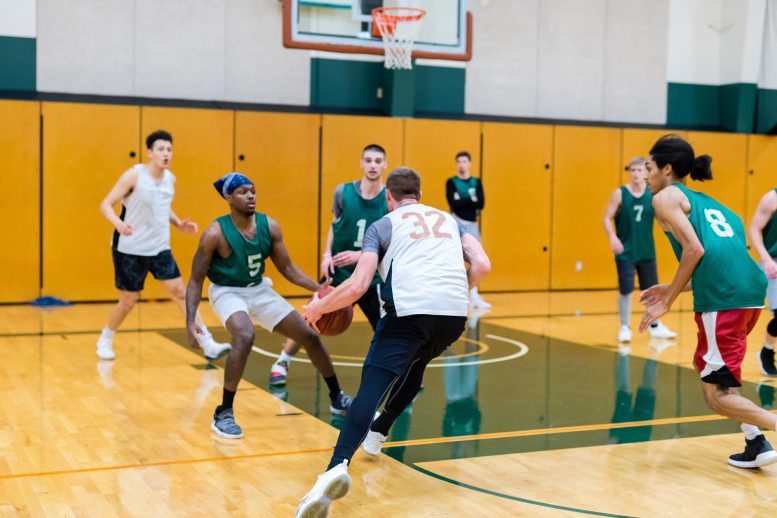
    College Basketball Practice
    A recent study from the University of Waterloo reveals that prior involvement in campus recreational sports can reduce stress and boost academic competence, even during high-stress situations like pandemic lockdowns. The research found that pre-pandemic participation in fitness classes, intramural, and drop-in sports led to decreased stress levels and increased perceived competence in managing challenges and schoolwork during lockdown.

    Campus Sports Boost Resilience, Aiding Student Well-Being in Crises

    A history of participating in campus recreational sports can offset stress and contribute to academic competence even during high-stress periods such as a pandemic lockdown, shows a new study.

    Researchers at the University of Waterloo found that participation in activities such as fitness classes and intramural and drop-in sports before the COVID-19 pandemic was linked to lower levels of stress and higher levels of perceived competence to handle challenges and master school workload during the lockdown.

    “Our findings suggest that the impact of campus recreational activities on reducing stress went beyond the obvious physical health benefits and contributed to overall well-being even down the line.” Steven Mock

    The study used factor and regression analyses based on self-reported responses from 116 students active in campus recreational sports at two-time points – January 2020, before the pandemic and April 2020, after COVID lockdowns.

    Skill Development Through Sports

    “Our findings suggest that the impact of campus recreational activities on reducing stress went beyond the obvious physical health benefits and contributed to overall well-being even down the line,” said Steven Mock, a researcher in the department of Recreation and Leisure Studies.

    “It’s possible that students who had learned how to deal with challenges and losses in the context of sport and recreational activity developed key skills such as adaptability that helped them manage with pandemic-related setbacks.”

    Stress Levels Before and After the Pandemic Lockdown

    At the beginning of winter 2020, stress levels for students were generally low. Managing academic demands, building new relationships, and trying to achieve personal goals were the top three stressors at that time.

    “Students had just come back from the holiday break, their academic workload was still low, and they were not anticipating any societal disruption such as COVID-19,” said co-author Narges Abdeahad, a former PhD candidate in the department of Recreation and Leisure Studies.

    By April 2020, after lockdowns had begun, the overall level of stress had increased to above the midpoint, and the top stressors had changed to online delivery of quizzes and exams, the influence of the pandemic on their lives, and managing academic demands.

    “We also found that graduate students and, even more so, international students had very low participation in campus recreational sports pre-pandemic, which has wellness implications for these two groups of students,” said Abdeahad.

    “Since campus recreational sports appear to help develop lifelong skills that offset stressful events, educational institutions should consider including campus recreational sports as a strategy to enhance student mental health and well-being.”

    Reference: “The role of past campus recreational sports participation in predicting students’ stress and competence during the COVID-19 pandemic” by Narges Abdeahad and Steven Mock, 6 February 2023, Journal of Leisure Research.
    DOI: 10.1080/00222216.2023.2165203

    Never miss a breakthrough: Join the SciTechDaily newsletter.
    Follow us on Google and Google News.

    COVID-19 Education Fitness Mental Health Stress University of Waterloo
    Share. Facebook Twitter Pinterest LinkedIn Email Reddit

    Related Articles

    How Has the COVID-19 Pandemic Affected Our Sleep and Our Dreams?

    During COVID-19 Pandemic, Increased Screen Time Linked With Increased Mental Distress

    Fear of COVID-19: Psychological, Not Environmental Factors Are Important

    Reversal of Fortunes: COVID Pandemic Adolescent Mental Health Study Reveals Turnaround Finding

    COVID-19 Psychological Distress: 1 in 3 Adults Anxious, Depressed

    National Poll: COVID Pandemic Has Negatively Impacted Teens’ Mental Health – Expert Recommendations

    Depression and Stress Could Dampen Efficacy of COVID-19 Vaccines: Interventions Could Boost Immunity

    Researchers Perplexed: COVID-19 Stress May Be Hard to Beat Even With Exercise

    Psychological Distress: Acute Depression, Stress & Anxiety Higher During Peak of COVID-19 Pandemic

    Leave A Reply Cancel Reply

    • Facebook
    • Twitter
    • Pinterest
    • YouTube

    Don't Miss a Discovery

    Subscribe for the Latest in Science & Tech!

    Trending News

    New Research Shows Vitamin B12 May Hold the Key to Healthy Aging

    These Simple Daily Habits Can Quickly Improve Blood Pressure and Heart Risk Factors

    A Common Nutrient May Play a Surprising Role in Anxiety

    Doing This After 9 p.m. Could Double Your Risk of Gut Issues

    Scientists Discover How Coffee Impacts Memory, Mood, and Gut Health

    Why Did the Neanderthals Disappear? Scientists Reveal Humans Had a Hidden Advantage

    Physicists Propose Strange Experiment Where Time Goes Quantum

    Magnesium Magic: New Drug Melts Fat Even on a High-Fat, High-Sugar Diet

    Follow SciTechDaily
    • Facebook
    • Twitter
    • YouTube
    • Pinterest
    • Newsletter
    • RSS
    SciTech News
    • Biology News
    • Chemistry News
    • Earth News
    • Health News
    • Physics News
    • Science News
    • Space News
    • Technology News
    Recent Posts
    • This New Memory Technology Could Make Devices Last Months on One Charge
    • Scientists Turn Cancer’s Own Bacteria Against It in Breakthrough Therapy
    • Cannabis Can Make You Remember Things That Never Happened
    • Doctors Are Surprised by What This Vaccine Is Doing to the Heart
    • Quantum Breakthrough Turns Simple Forces Into Powerful New Interactions
    Copyright © 1998 - 2026 SciTechDaily. All Rights Reserved.
    • Science News
    • About
    • Contact
    • Editorial Board
    • Privacy Policy
    • Terms of Use

    Type above and press Enter to search. Press Esc to cancel.