

Ancient lungfish jaws tell a complex evolutionary story. New 3D analysis uncovers surprising feeding adaptations.
Ancient predatory fish that eventually gave rise to the first land-dwelling vertebrates are continuing to shed light on mammalian origins—thanks to new research into the dietary behaviors of lobe-finned fish that once lived in a prehistoric reef in northern Australia.
A recent study published in iScience, led by researchers at Flinders University, offers new perspectives on the biology of 380-million-year-old lungfish. This breakthrough comes from a high-resolution analysis of exceptionally well-preserved jawbones discovered in the remote Gogo fossil site in northern Western Australia.
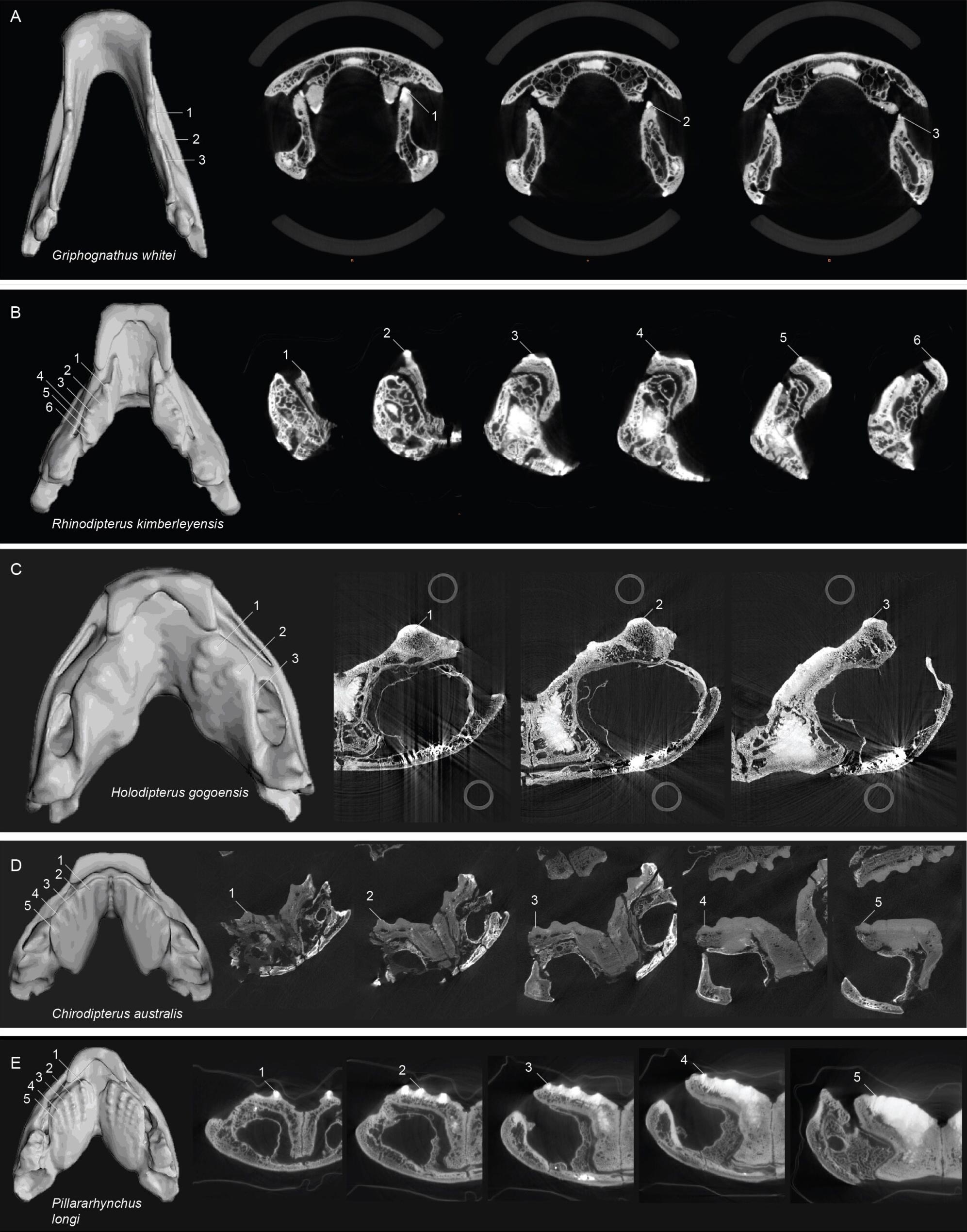
Using 3D finite element modeling (FEM), the team assessed the structural properties and functional performance of the fossilized mandibles. The results helped scientists understand how various lungfish species co-existed within the same tropical marine ecosystem during the Devonian period, often referred to as the ‘Age of Fishes’.
Lungfish as tetrapod relatives
Dr Alice Clement, the study’s corresponding author, explains that lungfish are considered ‘sister taxa’ to tetrapods—that is, all vertebrates with four limbs, including humans. As she puts it, “which means they are our closest ‘fishy’ relatives.”
“They have an extensive fossil history stretching back over 400 million years and still with living representatives today and their phylogenetic proximity to tetrapods gives insight into our long distant ancestors who first made the move from water to land,” she says.
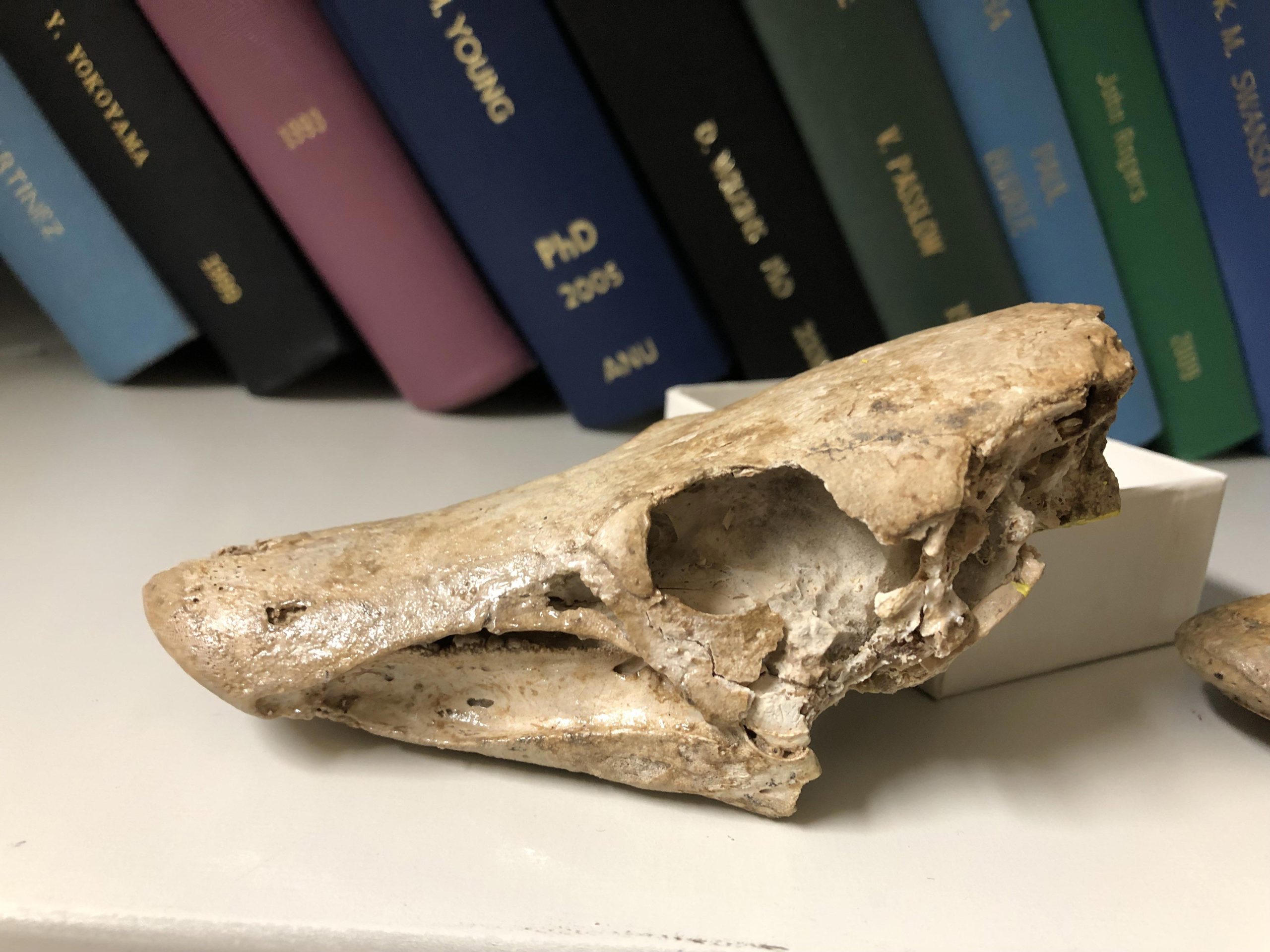
The Gogo Formation stands out as the most diverse site for lungfish fossils ever discovered, with 11 distinct species identified so far. These specimens exhibit an extraordinary range of physical forms, especially in the structure of their skulls and jaws.
Biomechanical function and feeding adaptations
For the first time, researchers have reconstructed the distinct biomechanical functions of these ancient fish to better understand their feeding behaviors and predatory abilities.
“We’re slowly teasing apart the details of how the bodies and lifestyles of these animals changed, as they moved from being fish that lived in water, to becoming tetrapods that moved about on land,” says Dr Clement.
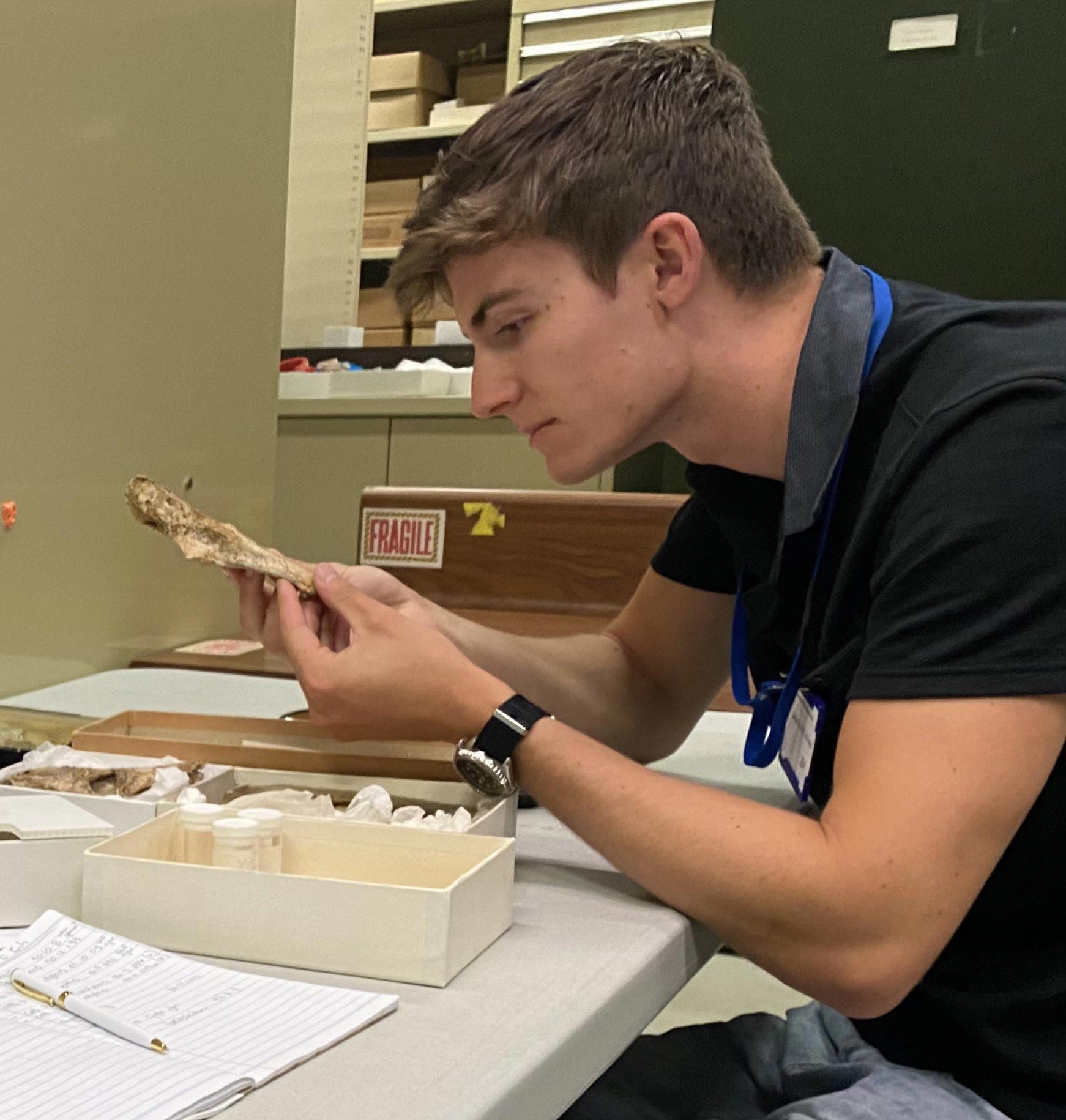
The research team from Flinders University, working in collaboration with Australian and international experts, included honors paleontology student Joshua Bland, Dr Clement, Professor John Long, and biomedical specialists in the United States such as Dr Olga Panagiotopoulou.
“Our comprehensive dataset offers the most detailed quantification of biting performance in any fossil fish thus far, providing biomechanical evidence for diverse feeding adaptations and niche partitioning within Gogo lungfishes,” explains Dr Panagiotopoulou, from Touro University California.
Using CT scans of exceptionally preserved 3D fossils, the team examined seven species to assess variations in shape, applying finite element modeling (FEM) to five specimens with intact skulls and lower jaws.
“We were then able to model the stress and strain experienced by these lower jaws during biting,” she says.
The 3D virtual models are all available via Morphosource.
Morphology and jaw performance surprises
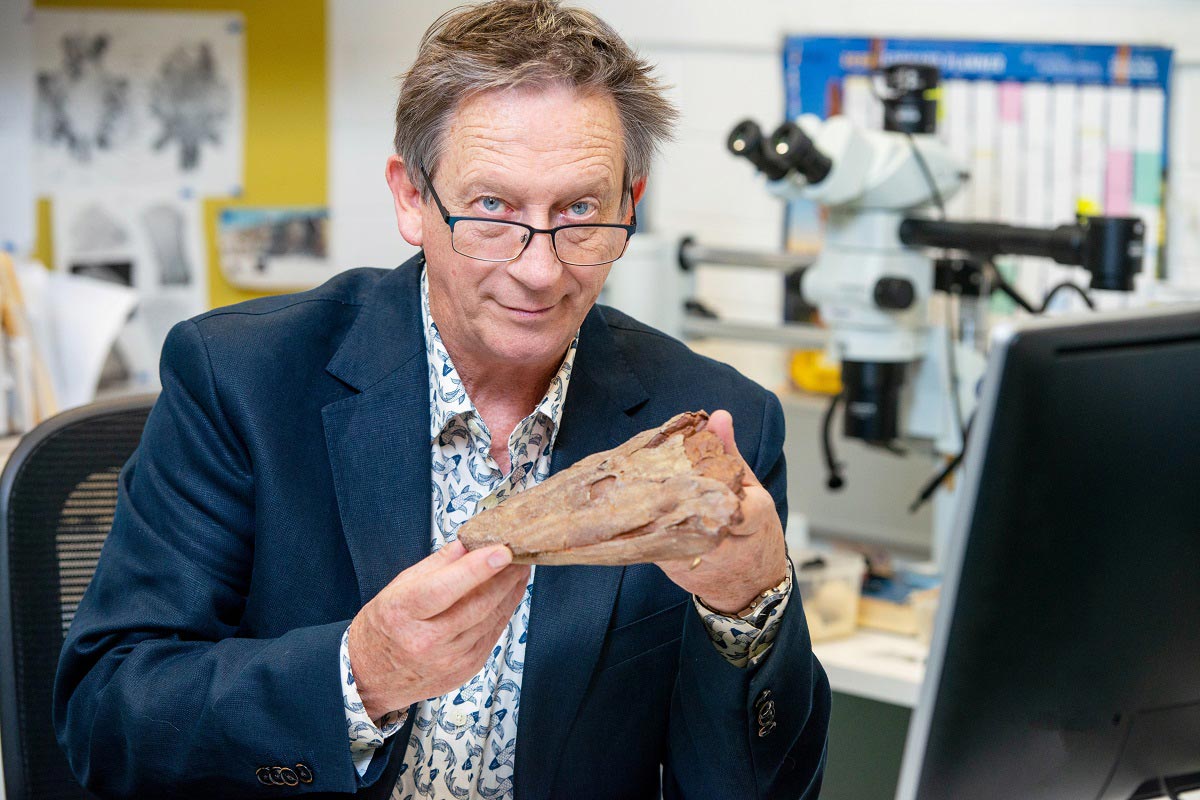
Strategic Professor of Paleontology John Long says the new study features important information about the specialized way ‘gracile’ or ‘robust’ morphology and dentition of their jawbones allowed these fascinating fish to hunt, bite, and eat.
“The results were somewhat surprising, with some ‘robust’-looking lower jaws appearing to not be all that well suited to biting stress, and some of the more gracile or slender jaws appeared to be able to with strand stress and strain very well,” says Professor Long, who previously described the slender long-snouted Griphognathus whitei (or ‘duck-billed’ lungfish) from the Gogo Formation area.
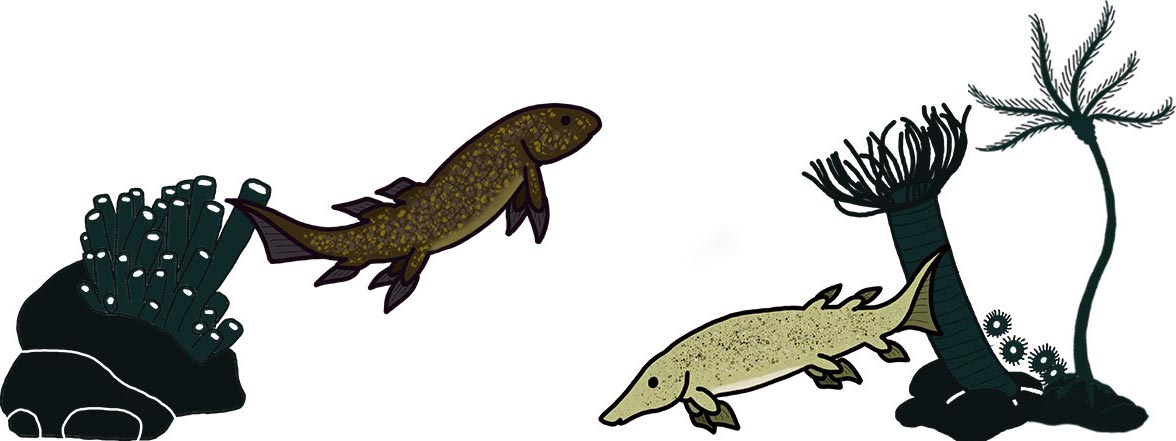
“This diversity of biomechanical function seen in the Gogo lungfishes suggests that there was niche partitioning and tropic differentiation among lungfishes, possibly accounting for their incredibly high species diversity at this site.”
New techniques revive old fossils
Primitive forms of placoderm and other fish were the dominant predators around the world for about 60 million years before becoming extinct. Some fossil samples of lobe-finned fish found 50-100 years ago can now be studied in more detail with new techniques such as FEM, which is often used in engineering research.

Lead author, Flinders Paleontology Lab researcher Joshua Bland, adds: “The Late Devonian reefs of the Gogo Formation were a truly unique lungfish community with species possessing a whole host of different behaviors and abilities.
“To capture parts of that story, hidden in the bone, was extremely rewarding. It felt like we lifted the veil on some real functions behind the form. It was impressive to see the more complex morphology perform better in our tests,” he says.
Reference: “Comparison of diverse mandibular mechanics during biting in Devonian lungfishes” by Joshua Bland, Hugo Dutel, John A. Long, Matteo Fabbri, Joseph Bevitt, Kate Trinajstic, Olga Panagiotopoulou and Alice M. Clement, 20 June 2025, iScience.
DOI: 10.1016/j.isci.2025.112970
This work was funded by the Australian Research Council grant DP 220100825.
Never miss a breakthrough: Join the SciTechDaily newsletter.
Follow us on Google and Google News.