
Close Menu
    Facebook X (Twitter) Instagram
    SciTechDaily
    • Biology
    • Chemistry
    • Earth
    • Health
    • Physics
    • Science
    • Space
    • Technology
    Facebook X (Twitter) Pinterest YouTube RSS
    SciTechDaily
    Home»Space»NASA’s IXPE Triumph: Resurrected To Probe Black Hole Mysteries
    Space

    NASA’s IXPE Triumph: Resurrected To Probe Black Hole Mysteries

    By NASAApril 5, 2024No Comments2 Mins Read
    Facebook Twitter Pinterest Telegram LinkedIn WhatsApp Email Reddit
    Share
    Facebook Twitter LinkedIn Pinterest Telegram Email Reddit
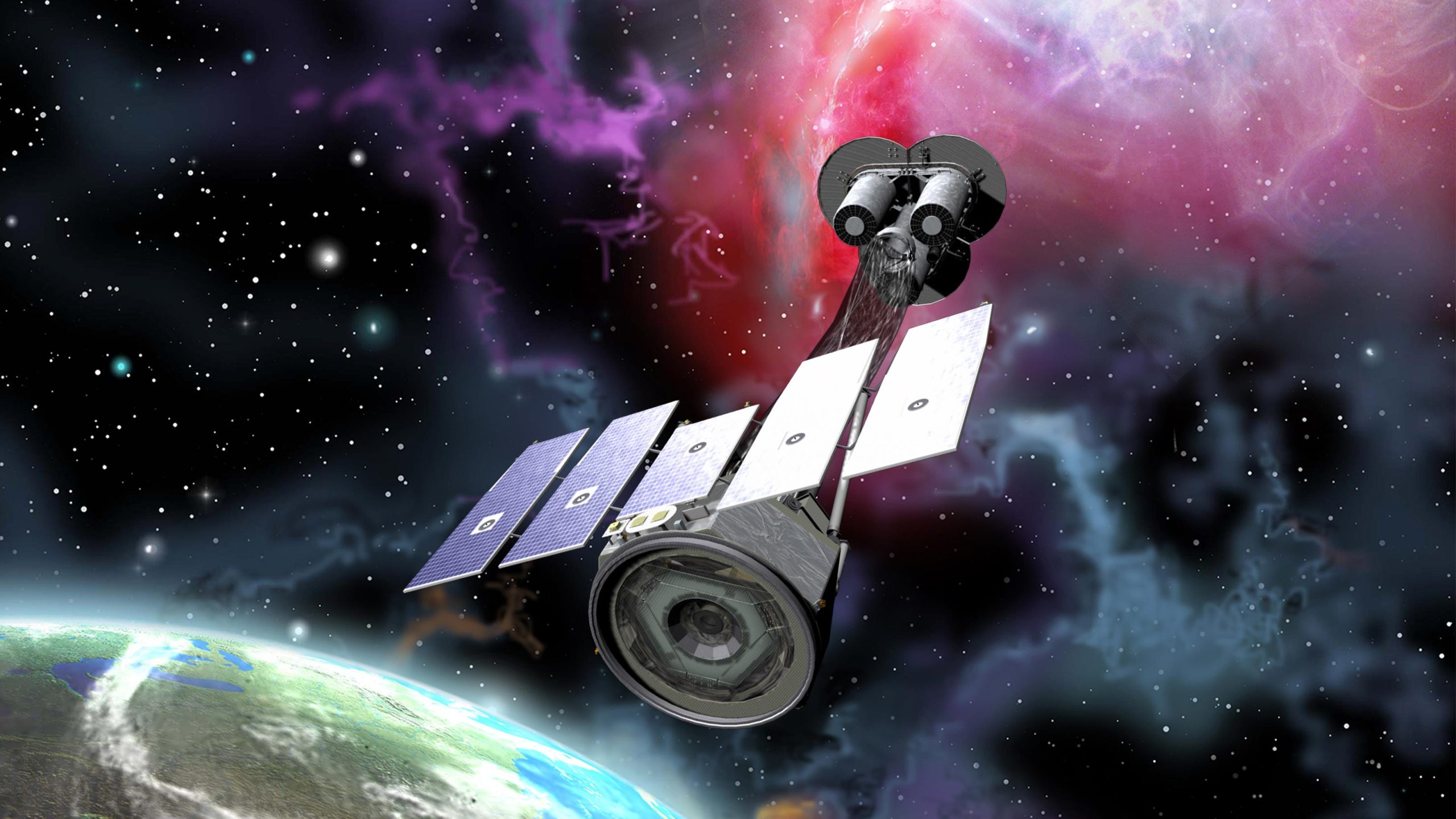
    IXPE in Earth Orbit
    IXPE spacecraft, after an avionics reset, resumed observing cosmic phenomena, including a potential accreting black hole, contributing to the understanding of black hole accretion. Credit: NASA

    NASA’s IXPE spacecraft successfully resumed scientific operations on April 3 after a temporary suspension of data transmission since March 23.

    NASA confirmed the IXPE spacecraft resumed normal science operations April 3, following a successful spacecraft avionics reset on March 26. NASA’s IXPE (Imaging X-ray Polarimetry Explorer) had stopped transmitting valid telemetry data on March 23.

    The only previous interruption of IXPE science observations was due to a similar issue in June of 2023. Using procedures developed following that previous interruption, the team initiated a spacecraft avionics reset to address the issue, which put IXPE into a planned safe mode. The team immediately begin working to resume science operations, in as rapid and safe a manner as possible.

    The IXPE mission is now observing a new transient X-ray source – Swift J1727.8–161 – a candidate accreting black hole. The source has recently begun producing jets of material moving at a fraction of the speed of light. The IXPE observations will help to understand accretion onto black holes, including potentially revealing how the relativistic jets are formed.

    Launched in 2021, IXPE is a space observatory built to discover the secrets of some of the most extreme cosmic objects – the remnants of supernova explosions, neutron stars, powerful particle streams ejected by feeding black holes, and more. The observatory is NASA’s first mission to study the polarization of X-rays from many different types of celestial objects.

    Never miss a breakthrough: Join the SciTechDaily newsletter.
    Follow us on Google and Google News.

    Astronomy IXPE NASA Popular
    Share. Facebook Twitter Pinterest LinkedIn Email Reddit

    Related Articles

    NASA Cracks 30-Year X-ray Mystery With Blazing Black Hole Light Show

    NASA’s X-Ray Explorer Unveils Black Hole’s Hidden Layers

    Cosmic Chills: The Mysterious Ghost Hand Discovered by NASA’s X-Ray Telescopes

    NASA’s IXPE Stuns Astronomers With New Blazar Discovery

    From Sounding Rockets to Satellites: The 50-Year Journey To Map the Crab Nebula’s Magnetic Field

    NASA’s IXPE Quickly Observes Aftermath of Incredible Cosmic Blast – “This Is Now or Never”

    Astrophysicists Solve 40-Year-Old Black Hole Jet Mystery With NASA’s IXPE

    Surprising Results From NASA’s IXPE Help Unlock the Secrets of Famous Exploded Star

    NASA IXPE Observatory’s First Stunning Image: The Glowing Remains of an Exploded Star

    Leave A Reply Cancel Reply

    • Facebook
    • Twitter
    • Pinterest
    • YouTube

    Don't Miss a Discovery

    Subscribe for the Latest in Science & Tech!

    Trending News

    Aging’s “Zombie Cell” Problem May Have a Solution, Scientists Discover

    Scientists Discover a Surprising Dental Benefit of Cranberry Juice

    Scientists Discover That Eating Peanuts Every Day May Help Protect the Aging Brain

    Scientists Discover Mysterious 150,000-Year-Old Bone From an Extinct Human Relative in Chinese Cave

    Why Do We Have Necks? Scientists Uncover a 380-Million-Year-Old Evolutionary Twist

    “Strangest of Its Kind”: Scientists Uncover a Bizarre Bacterial Self-Destruct Switch

    Scientists Reverse 60 Years of Aging in Human Cells, Turning 80-Year-Old Cells Into 20-Year-Olds

    A Solar Storm Heading Toward Earth Suddenly Changed in Ways Scientists Didn’t Predict

    Follow SciTechDaily
    • Facebook
    • Twitter
    • YouTube
    • Pinterest
    • Newsletter
    • RSS
    SciTech News
    • Biology News
    • Chemistry News
    • Earth News
    • Health News
    • Physics News
    • Science News
    • Space News
    • Technology News
    Recent Posts
    • Scientists Uncover Why Breast Cancer Becomes Deadlier As We Age
    • Scientists Discover a Surprising New Target for Treating Type 2 Diabetes
    • Eating a Handful of Peanuts Could Change Your Blood in a Surprising Way, Study Finds
    • Scientists Use Light To Build a New Generation of Drug Molecules
    • Scientists Unlock a 1,000-Year-Old Mystery Buried Inside Ancient Melon Seeds
    Copyright © 1998 - 2026 SciTechDaily. All Rights Reserved.
    • Science News
    • About
    • Contact
    • Editorial Board
    • Privacy Policy
    • Terms of Use

    Type above and press Enter to search. Press Esc to cancel.