
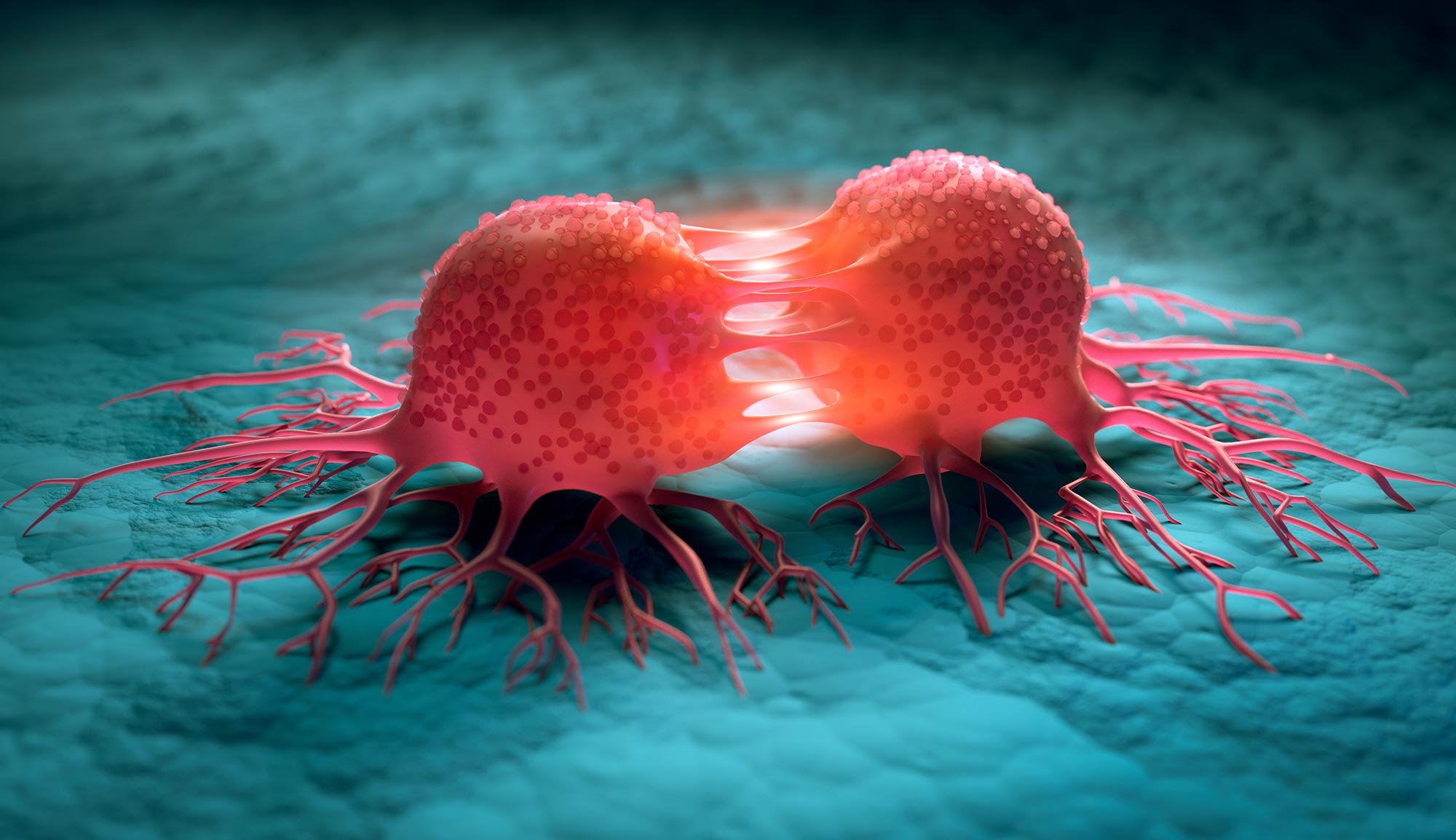
A promising natural compound may offer new hope for treating one of the most aggressive forms of leukaemia.
A natural compound may offer a new way to combat aggressive leukemia while strengthening the effects of existing chemotherapy treatments.
A new study from the University of Surrey reports that forskolin, a plant-derived natural compound, could play a promising role in improving outcomes for patients with KMT2A-rearranged Acute Myeloid Leukemia (KMT2A-r AML), one of the more challenging forms of the disease.
According to findings published in the British Journal of Pharmacology, forskolin appears to directly slow the growth of leukemia cells and also improve how well chemotherapy works. The research team discovered that the compound activates Protein Phosphatase 2A (PP2A) and reduces the activity of several genes known to support cancer progression (MYC, HOXA9, and HOXA10).
The study also identified an unexpected benefit. Forskolin made KMT2A-r AML cells much more responsive to daunorubicin, a commonly used chemotherapy drug. This boost in sensitivity did not require PP2A activation. Instead, forskolin seemed to interfere with P-glycoprotein 1, a protein that cancer cells use to expel chemotherapy agents and develop resistance. By preventing this process, forskolin enabled higher concentrations of daunorubicin to accumulate inside the leukemia cells, greatly increasing the drug’s ability to kill them.
Future Potential
Dr. Maria Teresa Esposito, Senior Lecturer in Biochemistry at the University of Surrey, said:
“Our findings have highlighted an exciting dual mechanism of action for forskolin. Not only does it have direct anti-leukemic effects, but it also acts as a powerful enhancer to conventional chemotherapy. Combining forskolin with daunorubicin could lead to a more effective treatment strategy, potentially allowing for lower doses of chemotherapy and reducing the severe side effects often associated with AML treatments.”
Dr. Simon Ridley, Director of Research and Advocacy at Leukaemia UK, says:
“We are committed to funding innovative research and are proud to have supported Dr. Esposito’s work. AML is one of the most aggressive and deadly cancer types, and this study not only deepens our understanding of KMT2A-rearranged AML but also opens the door to kinder, more effective treatments. Work like this is essential if we are to achieve our goal of doubling the five-year survival rate for AML within the next decade.”
Reference: “Exploiting PP2A dependent and independent effects of forskolin for therapeutic targeting of KMT2A (MLL)-rearranged acute leukaemia” by Yoana Arroyo-Berdugo, Antonella Di Mambro, Volker Behrends, Michelle A. Sahai, Luca Cozzuto, Immacolata Zollo, Julia Ponomarenko, Owen Williams, John Gribben, Yolanda Calle, Bela Patel and Maria Teresa Esposito, 20 August 2025, British Journal of Pharmacology.
DOI: 10.1111/bph.70158
The study, funded by Leukaemia UK, was a collaborative effort between researchers at the University of Surrey, University of Roehampton, Barts Cancer Institute-Queen Mary University of London, Great Ormond Street Institute of Child Health London- UCL and the Genomic Regulation, CRG Barcelona (Spain).
Never miss a breakthrough: Join the SciTechDaily newsletter.
Follow us on Google and Google News.