
Researchers have introduced the concept of “nested invasions,” where invading species like Johnstone’s whistling frog carry invasive microbiomes to new ecosystems. The study emphasizes the importance of understanding these microbiomes, as they can impact the ecosystems they invade and aid in the propagation of pathogens.
In their study, published on May 26 in the journal Microbial Ecology, Senckenberg researchers have introduced a new invasion biology concept, the so-called “nested invasions.” Using Johnstone’s whistling frog as an example, they show that this amphibian not only colonizes foreign regions, but it also carries invasive microbiomes in its baggage. The scientists thereby provide the first comprehensive dataset for an invasive community and warn of the still unknown impact on the newly colonized ecosystems.
Animals carry trillions of bacteria, viruses, archaeans, and fungi in their digestive tracts and on their skin. These internal ecosystems help them obtain nutrients, fight pathogens, and develop their immune systems. “Such ‘microbiomes’ are also found in amphibians; their skin, which is moist due to their dermal respiration, is particularly predestined for this,” explains PD Dr. Raffael Ernst from the Senckenberg Natural History Collections in Dresden, and he continues, “We are interested in how these microbiomes of alien species affect native ecosystems and what role they play in the successful colonization by the immigrants.”
The Invasive Journey of Johnstone’s Whistling Frog
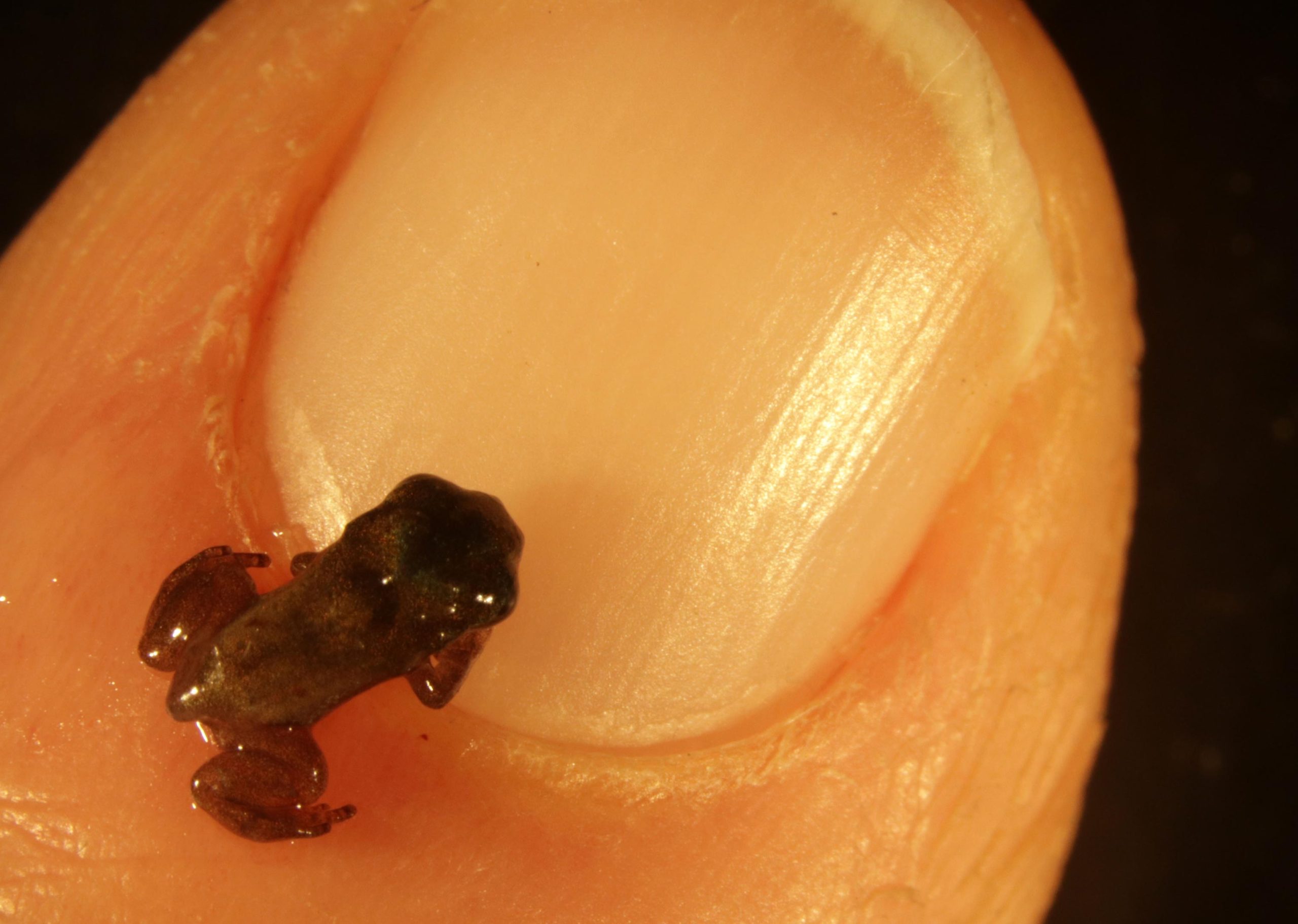
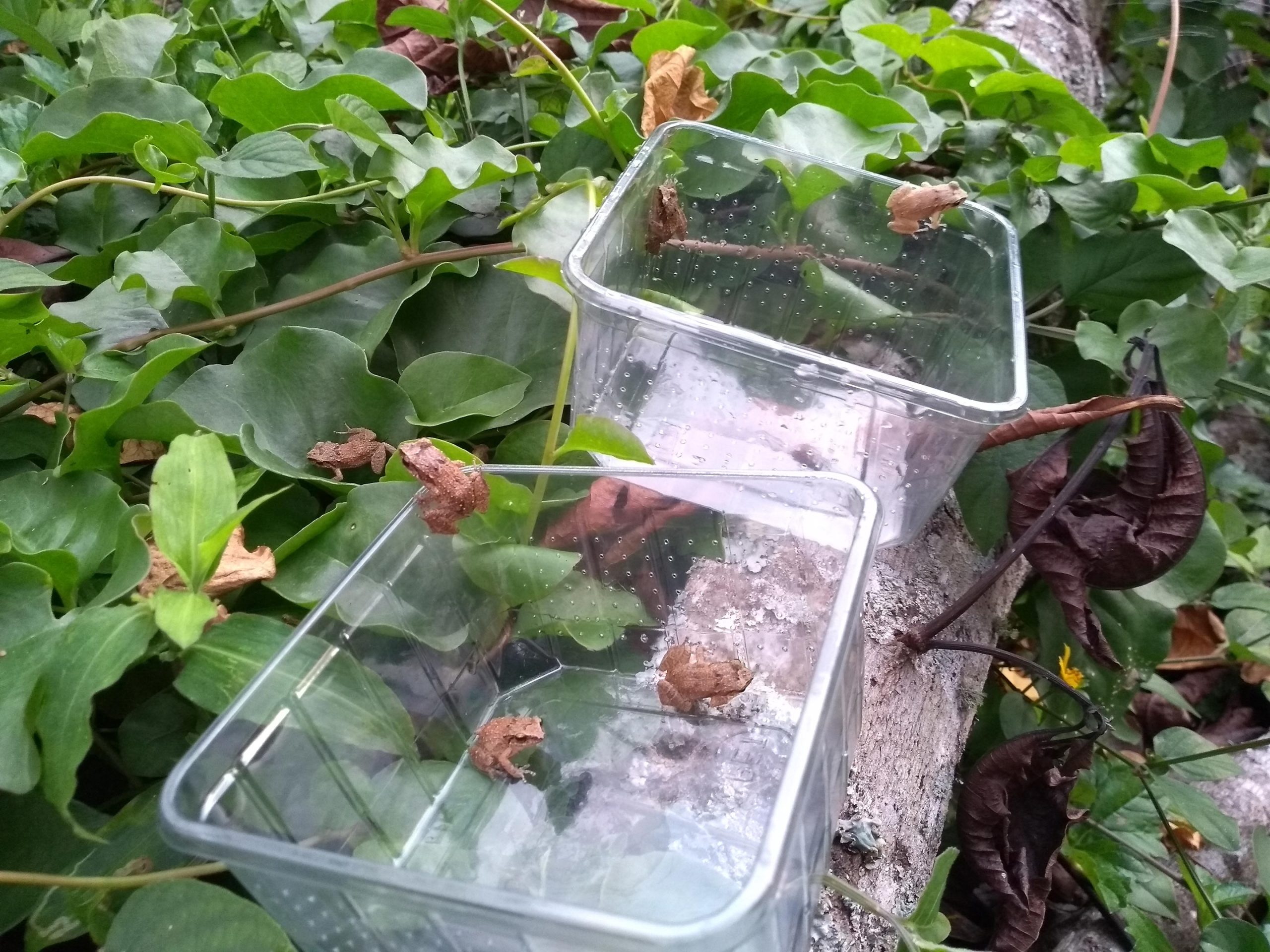
To investigate this question, Ernst, along with first author and doctoral student Franziska Leonhardt and researchers from Munich and Stuttgart, took a close look at Johnstone’s whistling frog (Eleutherodactylus johnstonei). The frog, which measures only about 17 to 35 millimeters and is originally native to the Lesser Antilles, is a highly successful invasive animal that has spread throughout the Caribbean and much of mainland Central and South America and can now also be found in botanical gardens across Europe. “We genetically analyzed the skin and intestinal microbiomes of Eleutherodactylus johnstonei from native populations in St. Lucia and immigrant populations in Guadeloupe, Colombia, and from European greenhouses. Our results show that amphibian-associated and microbial environmental communities can be considered ‘metacommunities’ that interact with each other. These interactions with the environment play a greater role in the skin microbiome than in that of the gut,” Leonhardt explains the results.
High levels of bacteria can spread between frogs and the environment, according to the study. The researchers suggest that greater attention should be paid to the spread of microbiota by alien species in order to prevent the propagation of vector-borne pathogens as well as non-pathogenic microbes.
“Community ecology concepts are at the heart of a holistic understanding of the dynamics and mechanisms of biological invasions. This is especially true when assessing the complex and diverse microbiota associated with each invasive species. To date, traditional studies have largely failed to account for these nested immigrations, and thus have ignored a potentially important aspect of invasion processes. However, we can summarize by saying that alien species do not arrive alone! Our approach can complement and broaden the traditional perspective on biological invasions – not least to provide improved conservation measures in the future,” concludes Ernst.
Reference: “From Alien Species to Alien Communities: Host- and Habitat-Associated Microbiomes in an Alien Amphibian” by Franziska Leonhardt, Alexander Keller, Clara Arranz Aveces and Raffael Ernst, 26 May 2023, Microbial Ecology.
DOI: 10.1007/s00248-023-02227-5
Never miss a breakthrough: Join the SciTechDaily newsletter.
Follow us on Google and Google News.