
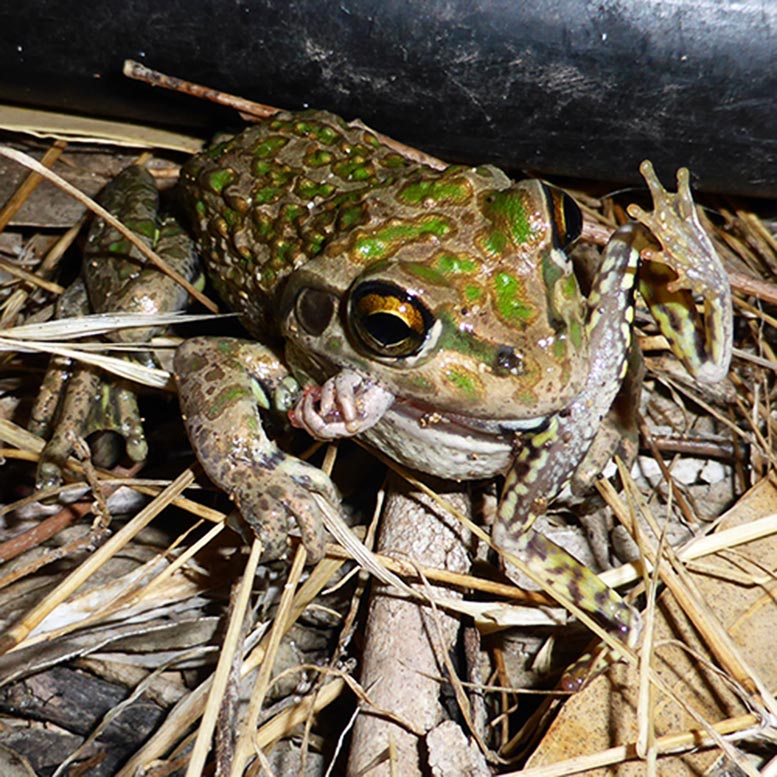
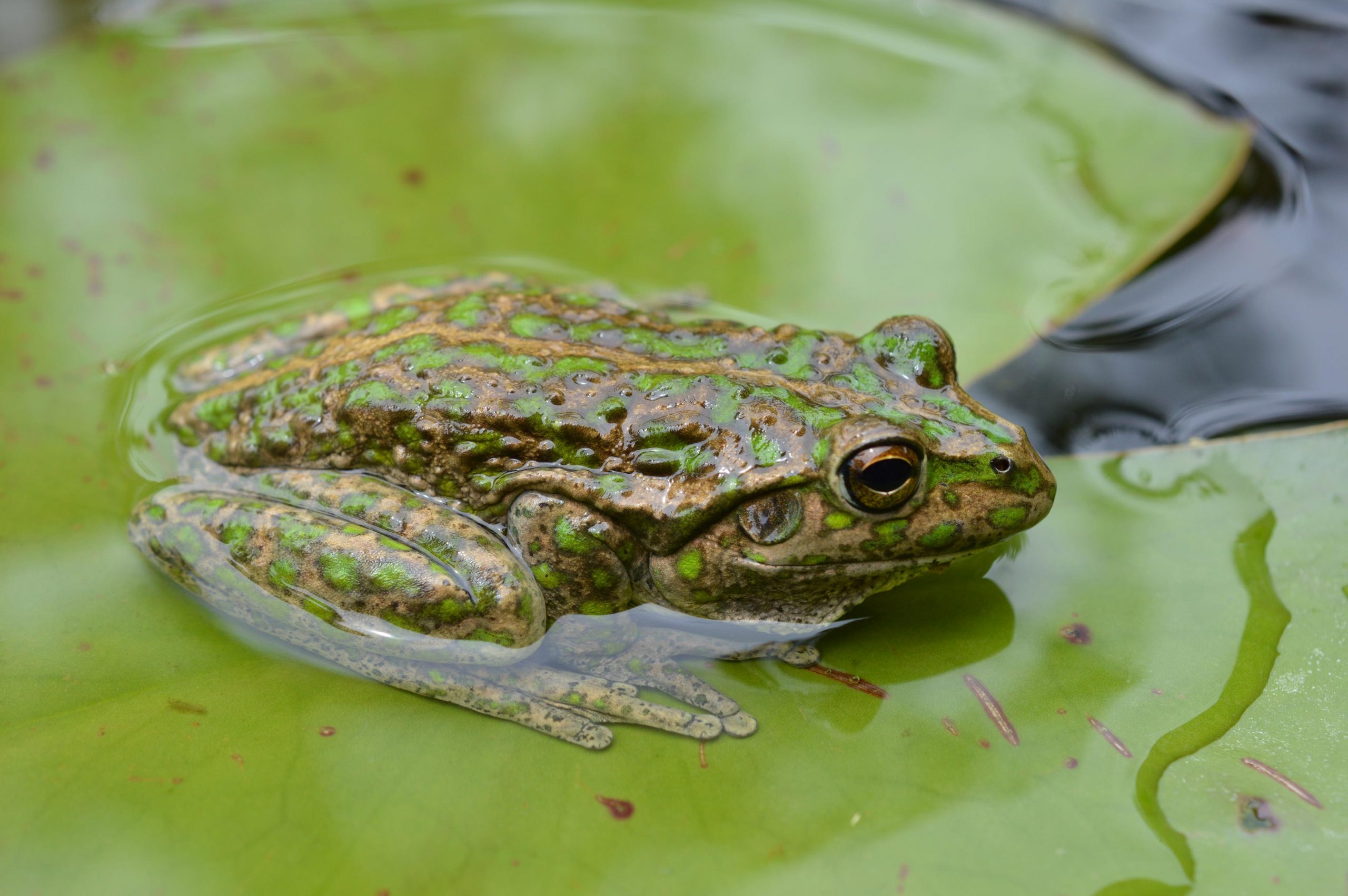
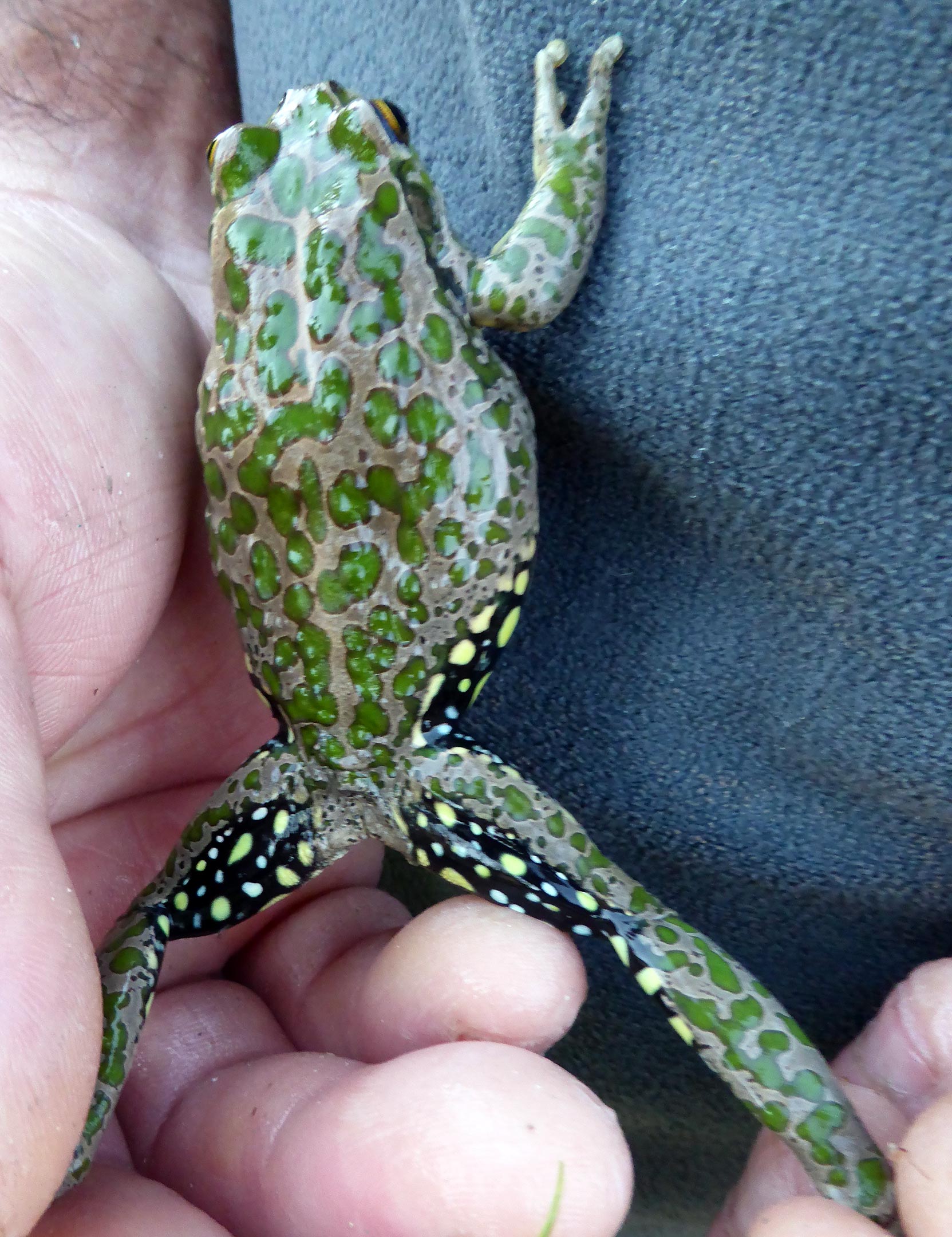
Indiscriminate feeding by an alien population of the carnivorous spotted-thighed frog – could severely affect the native biodiversity of southern Australia according to a new study by the University of South Australia.
The invasive amphibian – Litoria cyclorhyncha – which has hitchhiked across the Nullarbor from Western Australia – has now established a community of 1000-plus in Streaky Bay, South Australia, with sightings also confirmed on the Eyre Peninsula and at the Adelaide airport.
This is the first study of the spotted-thighed frog’s diet in its invaded range with the findings providing important biological information about the impact of the alien species on natural ecosystems.
Ecology experts, UniSA’s Associate Professor Gunnar Keppel and Christine Taylor, say the potential of the spotted-thighed frog spreading to other parts of Australia is very concerning given its destructive eating patterns.
“This frog is an indiscriminate eating machine that will devour just about anything it can fit into its mouth,” Taylor says.
“We’re talking about a relatively large, predatory tree frog that, as a species is alien to South Australia, and it could have a devastating impact on invaded habitats.
“As it eats away at local species, it’s impacting the natural ecosystem, which can displace or destroy local food webs, outcompete native birds, reptiles, and mammals for resources, and potentially change natural biodiversity.”
Biodiversity is the theme of this year’s United Nations World Environment Day.
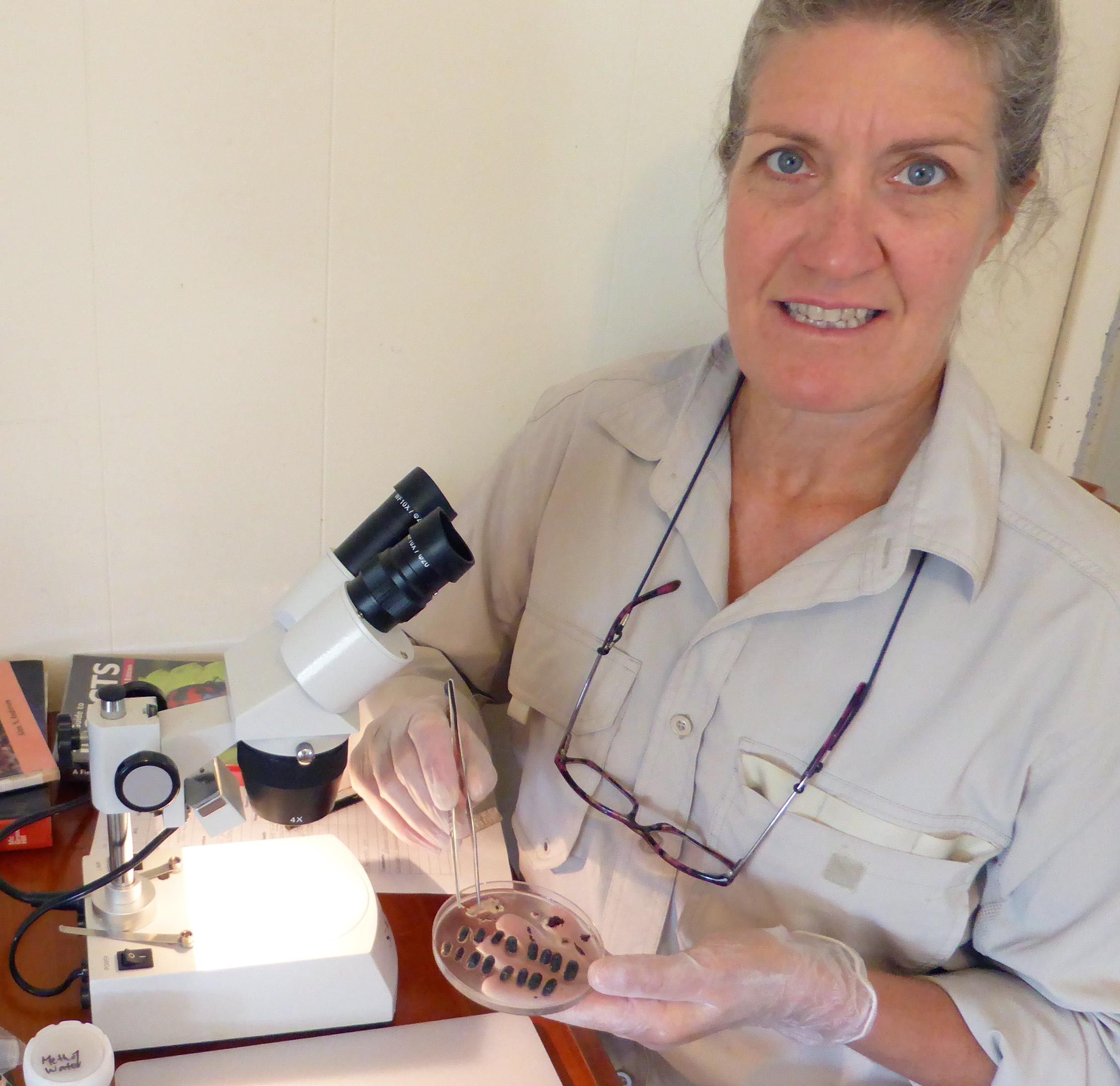
Published in the Australian Journal of Zoology, the study examined the stomach contents of 76 spotted-thighed frogs across three habitats – an artificial wetland, seminatural bushland and an urban setting.
On average, each frog had at least six prey items in its stomach, with prey estimated to include 200 different species, 60 percent of which were beetles, spiders, and insects. Native geckos, young frogs, and mice were also identified as prey.
Introduced species can have terrible outcomes for Australia, if not understood well. The infamous introduction of the cane toad in the 1930s as a mechanism to control sugar cane beetles, is just one example. The failure of that initiative continues to ravage Australia’s ecology, with the cane toad now listed as a threatening pest under the Environment Protection and Biodiversity Conservation Act.
Assoc Prof Keppel says it is important that people understand how detrimental introduced species can be for whole environments. He warns that if the spread of the spotted-thighed frog is not kept under control they could dominate many ecosystems in south-east Australia, at the expense of the local flora and fauna.
“The spotted-thighed frog is obviously very mobile. Already it’s managed to travel more than 2000 kilometers and set up a colony in Streaky Bay. But its considerable tolerance of salinity and potential ability to withstand high temperatures could lead to further geographic spread, and if not controlled, it could extend further eastward into the Murray-Darling Basin,” Assoc Prof Keppel says.
“It’s vital that we continue to protect Australia’s biodiversity. Preventing further dispersal of the spotted-thighed frog is a high conservation priority.
“The state government should consider managing the invasive population of spotted-thighed frogs at Streaky Bay. This should include education programs to inform people about what to do if they find a frog, as well as the feasibility of exterminating the population in South Australia.
“Importantly, if you do see one of these critters in your travels – leave it be. We don’t want it hitchhiking any further.”
Reference: “Indiscriminate feeding by an alien population of the spotted-thighed frog (Litoria cyclorhyncha) in southern Australia and potential impacts on native biodiversity” by Christine M. Taylor, Gunnar Keppel, Shaun O’Sullivan, Stefan Peters, Gregory D. Kerr and Craig R. Williams, 9 April 2020, Australian Journal of Zoology.
DOI: 10.1071/ZO19042
Never miss a breakthrough: Join the SciTechDaily newsletter.
Follow us on Google and Google News.