
Close Menu
    Facebook X (Twitter) Instagram
    SciTechDaily
    • Biology
    • Chemistry
    • Earth
    • Health
    • Physics
    • Science
    • Space
    • Technology
    Facebook X (Twitter) Pinterest YouTube RSS
    SciTechDaily
    Home»Biology»Neurologists Repair Neurons Associated With Traumatic Nerve Injury Pain
    Biology

    Neurologists Repair Neurons Associated With Traumatic Nerve Injury Pain

    By Bill Hathaway, Yale UniversityAugust 24, 2012No Comments2 Mins Read
    Facebook Twitter Pinterest Telegram LinkedIn WhatsApp Email Reddit
    Share
    Facebook Twitter LinkedIn Pinterest Telegram Email Reddit


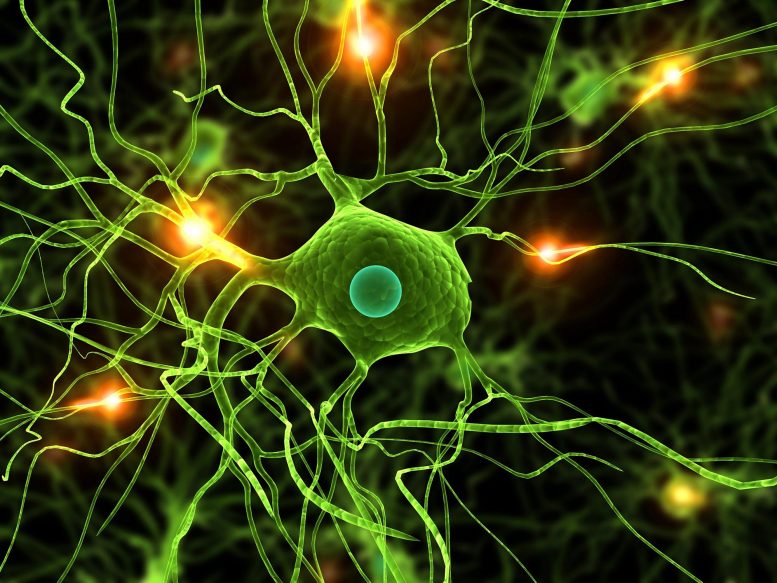
    Brain Cells Neuron Illustration
    Yale neurologists have successfully repaired neurons associated with traumatic nerve injury pain in rats using gene therapy.

    In an effort to find new treatments for people suffering from neuropathic pain, Yale University neurologists have managed to repair neurons associated with traumatic nerve injury pain in rats.

    Neuropathic pain associated with diabetes, shingles, and traumatic injury affects up to 18 percent of the population and can be difficult or impossible to effectively treat. Using gene therapy, Yale neurologists have managed to repair neurons associated with traumatic nerve injury pain in rats.

    Neurons Repaired by Gene Therapy
    This image shows yellow/orange stained neurons that have been repaired by gene therapy while the remaining neurons appear red. The novel technique dramatically reduced pain in animal models and is a potential treatment for hard-to-treat neuropathic pain associated with diabetes and nerve damage. Credit: Yale University

    “Since the therapy targets only cells in the pain-sensing neurons outside the brain and spinal cord, this method can avoid some of the cognitive problems associated with other pain therapies that also work on the central nervous system,” said Omar Samad, research scientist in neurology and lead author of the paper published online August 21 in the journal Molecular Therapy.

    Reference: “Virus-mediated shRNA Knockdown of Nav1.3 in Rat Dorsal Root Ganglion Attenuates Nerve Injury-induced Neuropathic Pain” by Omar A Samad, Andrew M Tan, Xiaoyang Cheng, Edmund Foster, Sulayman D Dib-Hajj and Stephen G Waxman, 21 August 2012, Molecular Therapy.
    DOI: 10.1038/mt.2012.169

    The work was conducted in the laboratory of Stephen Waxman, the Bridget M. Flaherty Professor of Neurology and director of the center for neuroscience and regeneration research, and it was supported by the Department of Veterans Affairs and the Nancy Taylor Foundation for Chronic Diseases.

    Other authors are Andrew Tan, Xiaoyang Chen, Edmund Foster, and Sulayman Dib-Hajj.

    Never miss a breakthrough: Join the SciTechDaily newsletter.
    Follow us on Google and Google News.

    Disease Neurology Neuroscience Yale University
    Share. Facebook Twitter Pinterest LinkedIn Email Reddit

    Related Articles

    STEP Protein Linked to Alzheimer’s May Also Play a Role in Schizophrenia

    Yale Scientists Discover a New Therapy for a Chronic Brain Disease

    GATA1 Plays a Role in the Loss of Connections Between Neurons and in Symptoms of Depression

    Understanding Inhibitory Neuron Activation Could Shed Light on Neurological Disorders

    Scientists Use Modified Version Rabies to Trace Neural Pathways in the Brain

    Imbalance Between Neuronal Excitation and Inhibition May Account for Seizure Susceptibility in Angelman Syndrome

    Von Economo Neuron Discovered in the Insula of Macaque Monkeys

    Yale Neurologists Discover the Source of Diabetic Neuropathy Pain

    Measuring Motor Neuron Communication May Shed Light on Neurodegenerative Diseases

    Leave A Reply Cancel Reply

    • Facebook
    • Twitter
    • Pinterest
    • YouTube

    Don't Miss a Discovery

    Subscribe for the Latest in Science & Tech!

    Trending News

    Aging’s “Zombie Cell” Problem May Have a Solution, Scientists Discover

    Scientists Discover a Surprising Dental Benefit of Cranberry Juice

    Scientists Discover That Eating Peanuts Every Day May Help Protect the Aging Brain

    Scientists Discover Mysterious 150,000-Year-Old Bone From an Extinct Human Relative in Chinese Cave

    Why Do We Have Necks? Scientists Uncover a 380-Million-Year-Old Evolutionary Twist

    “Strangest of Its Kind”: Scientists Uncover a Bizarre Bacterial Self-Destruct Switch

    Scientists Reverse 60 Years of Aging in Human Cells, Turning 80-Year-Old Cells Into 20-Year-Olds

    A Solar Storm Heading Toward Earth Suddenly Changed in Ways Scientists Didn’t Predict

    Follow SciTechDaily
    • Facebook
    • Twitter
    • YouTube
    • Pinterest
    • Newsletter
    • RSS
    SciTech News
    • Biology News
    • Chemistry News
    • Earth News
    • Health News
    • Physics News
    • Science News
    • Space News
    • Technology News
    Recent Posts
    • New X-Ray Technology Captures 4.6 Times More Light Without Losing Sharpness
    • “The Closest Thing to Magic” – Researchers Create an Invisible Pipe That Moves Liquids Through Thin Air
    • Uranus and Neptune May Have Been Cosmic Strangers All Along, New Research Reveals
    • Scientists Discover How Dead Stars Could Break One of Physics’ Most Famous Limits
    • Alzheimer’s-Linked Proteins Have a Hidden Role in Human Reproduction
    Copyright © 1998 - 2026 SciTechDaily. All Rights Reserved.
    • Science News
    • About
    • Contact
    • Editorial Board
    • Privacy Policy
    • Terms of Use

    Type above and press Enter to search. Press Esc to cancel.