
Close Menu
    Facebook X (Twitter) Instagram
    SciTechDaily
    • Biology
    • Chemistry
    • Earth
    • Health
    • Physics
    • Science
    • Space
    • Technology
    Facebook X (Twitter) Pinterest YouTube RSS
    SciTechDaily
    Home»Health»New Insight Into One of the Mysteries of Natural Immunity to Malaria
    Health

    New Insight Into One of the Mysteries of Natural Immunity to Malaria

    By New York UniversityJune 10, 2021No Comments3 Mins Read
    Facebook Twitter Pinterest Telegram LinkedIn WhatsApp Email Reddit
    Share
    Facebook Twitter LinkedIn Pinterest Telegram Email Reddit
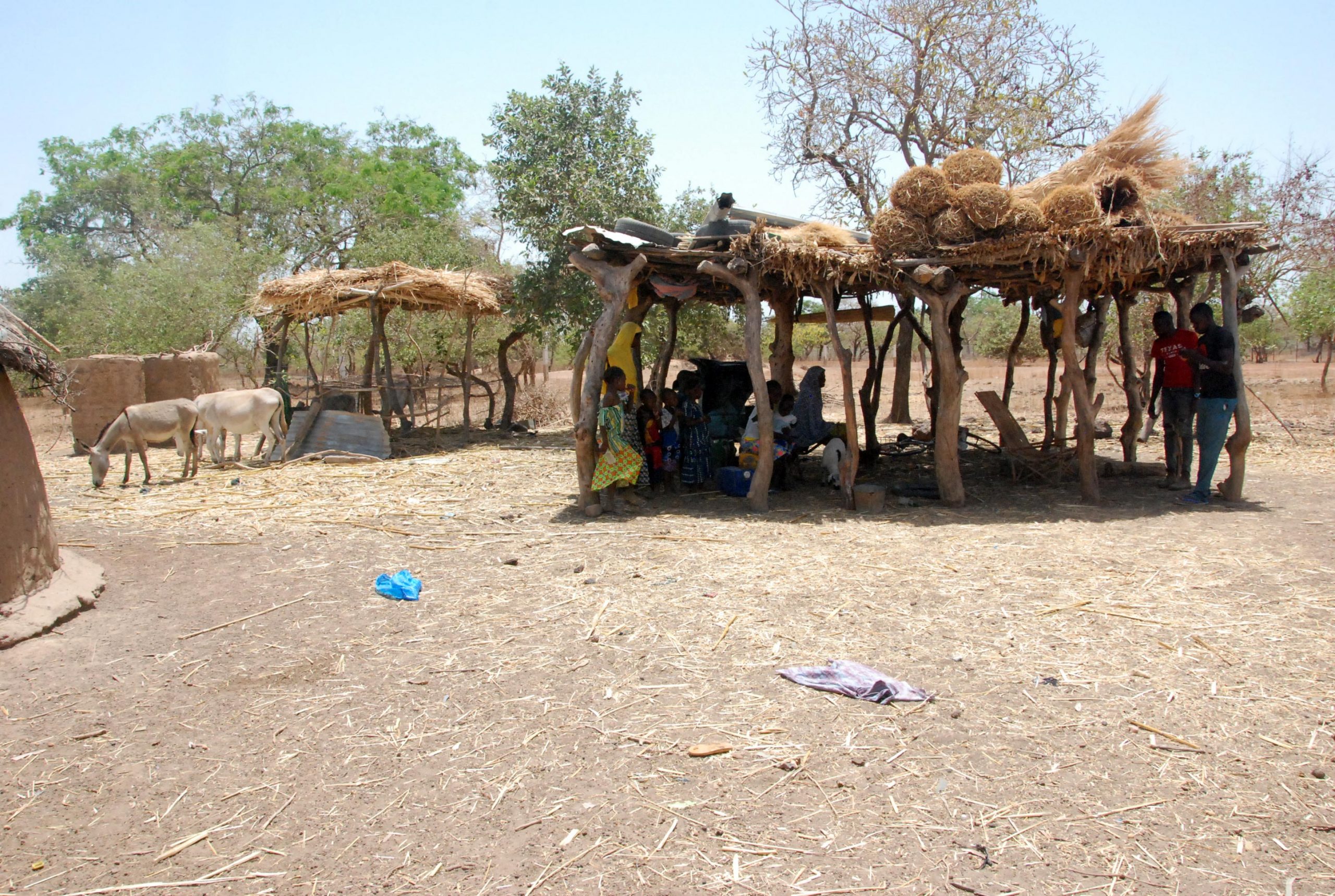
    Fulani Village
    Fulani Village. Credit: Issiaka Soulama

    Researchers compared metabolic responses to human malaria in children of different populations.

    • In 2019, 409,000 people died of malaria–most were young children in sub-Saharan Africa.
    • The annual economic costs of malaria to Africa alone amount to USD 12 billion.
    • Through extensive fieldwork and close follow-up of the children in rural areas of Burkina Faso, the new study has led to the discovery of a molecular mechanism that alters the immune response to infection.

     In the first and largest global metabolomic study of African children before and after malaria infection, NYU Abu Dhabi Assistant Professor of Biology Youssef Idaghdour and his colleagues at the Centre National de Recherche et de Formation sur le Paludisme in Burkina Faso have advanced the understanding of the molecular mechanisms in play during human malaria and demonstrated how studying ethnic differences in metabolic responses to the infection can help explain the sources of susceptibility and resistance in this deadly disease.

    Gouin Area
    Gouin Area. Credit: Aissatou Diawara

    The study, “Metabolome modulation of the host adaptive immunity in human malaria,” published in the journal Nature Metabolism, provides exciting insight into an area of research that had been very limited outside of the laboratory setting. Little is known about parasite interactions with the immune system in a living host, especially in children who are the most vulnerable age group to the infection. The team studied blood samples from children from two ethnic groups in remote rural areas of Burkina Faso, Gouin and Fulani, to see how they responded to the malaria parasite Plasmodium falciparum.

    The team discovered an elevation of immune-dampening steroid molecules and a strong immunosuppressive signature in Gouin children. Studying the enigmatic less malaria-susceptible Fulani ethnic group revealed opposing steroid profiles and stronger immune reactivity to infection.

    Implications for Therapeutics and Vaccine Development

    “The inter-ethnic comparison points to a fundamental molecular mechanism that could define the outcome of the infection in children, and it is fascinating how two human groups could diverge functionally in such a way,” said Idaghdour. “These results will change our understanding of how to achieve better malarial therapeutic interventions and vaccine responsiveness in populations,” added Wael Abdrabou, the first author of the paper.

    “These results demonstrate how useful embracing ethnic diversity in our studies to elucidate the mechanisms of disease can be,” said Principal Investigator of the clinical team in Burkina Faso Issiaka Soulama.

    Reference: “Metabolome modulation of the host adaptive immunity in human malaria” by Wael Abdrabou, Mame Massar Dieng, Aïssatou Diawara, Samuel Sindié Sermé, Dareen Almojil, Salif Sombié, Noelie Bere Henry, Désiré Kargougou, Vinu Manikandan, Issiaka Soulama and Youssef Idaghdour, 10 June 2021, Nature Metabolism.
    DOI: 10.1038/s42255-021-00404-9

    Never miss a breakthrough: Join the SciTechDaily newsletter.
    Follow us on Google and Google News.

    Immunology Infectious Diseases Malaria Molecular Biology New York University Parasites
    Share. Facebook Twitter Pinterest LinkedIn Email Reddit

    Related Articles

    Biological Engineers Find a New Target for Malaria Drugs – Could Kill Drug-Resistant Parasites

    Common Antibiotic – Azithromycin – No More Effective Than Placebo for COVID-19

    New Malaria Vaccine Shows Unprecedented Protection – Safe, Strong, and Lasting

    Structural Changes Identified in COVID Alpha and Beta Variants – Suggests Need for Updated Vaccine Booster

    Mysteries of Malaria Infections Deepen After Study Where Volunteers Were Injected With Malaria Parasites

    New Study Shows SARS-CoV-2 Antibodies Detectable Up to 7 Months After COVID-19 Onset

    Engineered Nanobodies – Derived From Llama Antibodies – Neutralize COVID-19 Virus

    Advanced Light Source X-Ray Experiments Zero In on COVID-19 Antibodies

    COVID-19 Treatment May Lie in Pangolin Genetics – May Possess Evolutionary Advantage Against Coronavirus

    Leave A Reply Cancel Reply

    • Facebook
    • Twitter
    • Pinterest
    • YouTube

    Don't Miss a Discovery

    Subscribe for the Latest in Science & Tech!

    Trending News

    The Universe Is Expanding Too Fast and Scientists Can’t Explain Why

    “Like Liquid Metal”: Scientists Create Strange Shape-Shifting Material

    Early Warning Signals of Esophageal Cancer May Be Hiding in Plain Sight

    Common Blood Pressure Drug Shows Surprising Power Against Deadly Antibiotic-Resistant Superbug

    Scientists Uncover Dangerous Connection Between Serotonin and Heart Valve Disease

    Scientists Discover a “Protector” Protein That Could Help Reverse Hair Loss

    Bone-Strengthening Discovery Could Reverse Osteoporosis

    Scientists Uncover Hidden Trigger Behind Stem Cell Aging

    Follow SciTechDaily
    • Facebook
    • Twitter
    • YouTube
    • Pinterest
    • Newsletter
    • RSS
    SciTech News
    • Biology News
    • Chemistry News
    • Earth News
    • Health News
    • Physics News
    • Science News
    • Space News
    • Technology News
    Recent Posts
    • A Common Diabetes Drug May Hold the Key to Stopping HIV From Coming Back
    • Ancient “Syphilis-Like” Disease in Vietnam Challenges Key Scientific Assumptions
    • Drinking Alcohol To Cope in Your 20s Could Damage Your Brain for Life
    • Scientists Crack Alfalfa’s Chromosome Mystery After Decades of Debate
    • Ancient Ant-Plant Alliance Collapses As Predatory Wasps Move In
    Copyright © 1998 - 2026 SciTechDaily. All Rights Reserved.
    • Science News
    • About
    • Contact
    • Editorial Board
    • Privacy Policy
    • Terms of Use

    Type above and press Enter to search. Press Esc to cancel.