
Close Menu
    Facebook X (Twitter) Instagram
    SciTechDaily
    • Biology
    • Chemistry
    • Earth
    • Health
    • Physics
    • Science
    • Space
    • Technology
    Facebook X (Twitter) Pinterest YouTube RSS
    SciTechDaily
    Home»Health»New Insights Into Type 3 Diabetes – Groundbreaking Study Reveals How Diet Influences Alzheimer’s Risk
    Health

    New Insights Into Type 3 Diabetes – Groundbreaking Study Reveals How Diet Influences Alzheimer’s Risk

    By American Society for Biochemistry and Molecular BiologyApril 2, 2024No Comments4 Mins Read
    Facebook Twitter Pinterest Telegram LinkedIn WhatsApp Email Reddit
    Share
    Facebook Twitter LinkedIn Pinterest Telegram Email Reddit
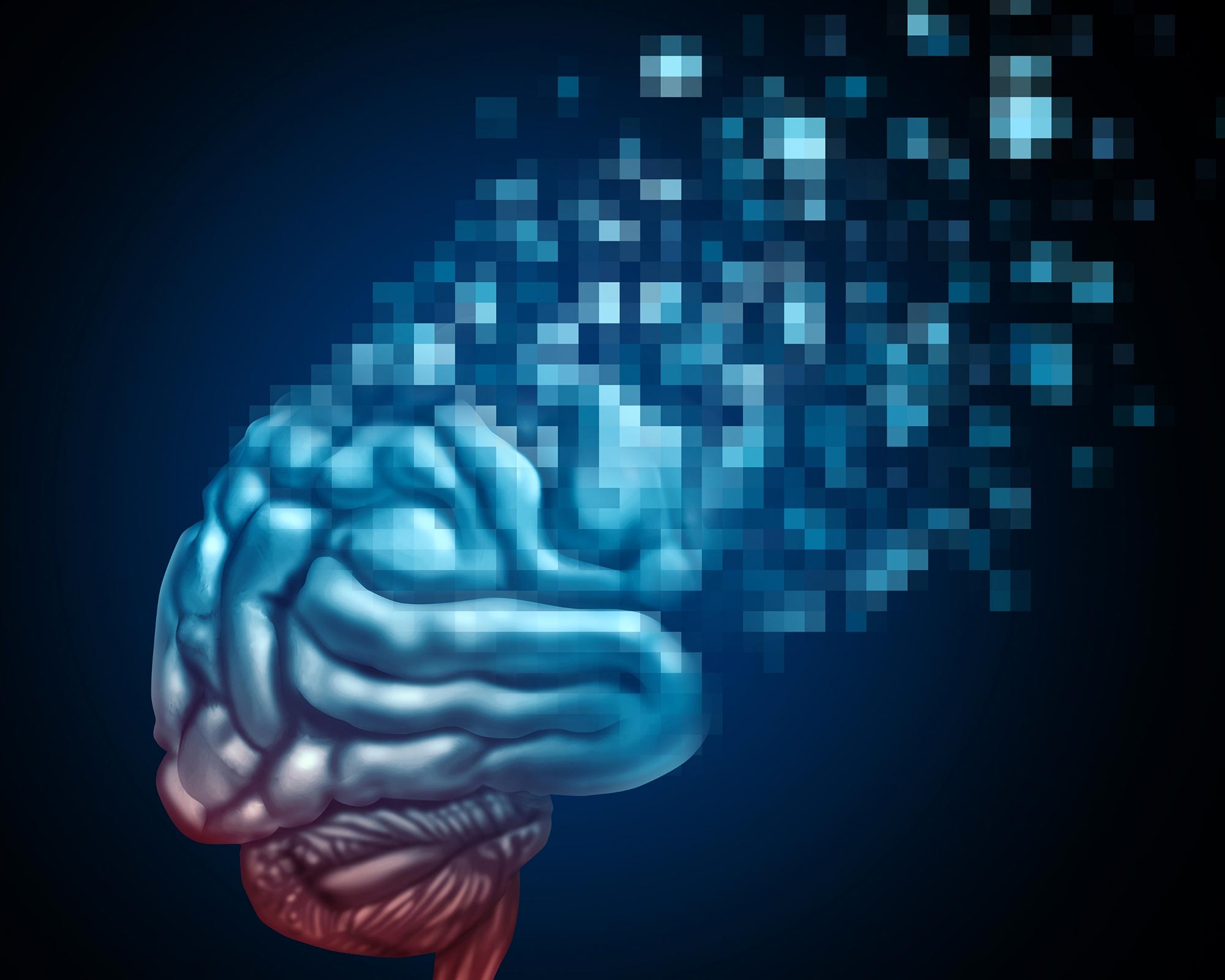
    Disintegrating Brain Illustration
    New research conducted on mice has unveiled the molecular link between diabetes and Alzheimer’s disease, suggesting that these conditions, particularly Type 2 diabetes and Alzheimer’s, are closely connected. This connection, often referred to as “Type 3 diabetes” by some researchers, indicates that effective diabetes management or prevention could significantly reduce the risk of Alzheimer’s.

    Scientists uncover a connection between the gut and the brain, suggesting that controlling diabetes could help prevent dementia.

    New research conducted in mice sheds light on what’s going on at the molecular level that could cause people with diabetes to develop Alzheimer’s disease.

    The study adds to a growing body of research on the links between Type 2 diabetes and Alzheimer’s disease, which some scientists have called “Type 3 diabetes.” The findings suggest that it should be possible to reduce the risk of Alzheimer’s by keeping diabetes well controlled or avoiding it in the first place, according to researchers.

    Narendra Kumar, an associate professor at Texas A&M University in College Station, led the study.

    “We think that diabetes and Alzheimer’s disease are strongly linked,” Kumar said, “and by taking preventative or amelioration measures for diabetes, we can prevent or at least significantly slow down the progression of the symptoms of dementia in Alzheimer’s disease.”

    Kumar presented the new research at Discover BMB, the annual meeting of the American Society for Biochemistry and Molecular Biology, which was held March 23–26 in San Antonio.

    Growing Concerns and Dietary Influences

    Diabetes and Alzheimer’s are two of the fastest-growing health concerns worldwide. Diabetes alters the body’s ability to turn food into energy and affects an estimated 1 in 10 U.S. adults. Alzheimer’s, a form of dementia that causes progressive decline in memory and thinking skills, is among the top 10 leading causes of death in the United States.

    Diet is known to influence the development of diabetes as well as the severity of its health impacts. To find out how diet could influence the development of Alzheimer’s in people with diabetes, the researchers traced how a particular protein in the gut influences the brain.

    They found that a high-fat diet suppresses the expression of the protein, called Jak3, and that mice without this protein experienced a cascade of inflammation starting with the intestine, moving through the liver and onto the brain. Ultimately, the mice showed signs of Alzheimer’s-like symptoms in the brain, including an overexpressed mouse beta-amyloid and hyperphosphorylated tau, as well as evidence of cognitive impairment.

    “Liver being the metabolizer for everything we eat, we think that the path from gut to the brain goes through the liver,” Kumar said.

    His lab has been studying functions of Jak3 for a long time, he added, and they now know that the impact of food on the changes in the expression of Jak3 leads to leaky gut. This in turn results in low-grade chronic inflammation, diabetes, decreased ability of the brain to clear its toxic substances, and dementia-like symptoms seen in Alzheimer’s disease.

    The good news, according to Kumar, is that it may be possible to stop this inflammatory pathway by eating a healthy diet and getting blood sugar under control as early as possible. In particular, people with prediabetes — which includes an estimated 98 million U.S. adults — could benefit from adopting lifestyle changes to reverse prediabetes, prevent the progression to Type 2 diabetes, and potentially reduce the risk of Alzheimer’s.

    Meeting: Discover BMB

    Narendra Kumar presented research at the interest group session on inter-organ communication in cellular and immune homeostasis from 12:30 to 2:30 p.m. on Saturday, March 23, in Room 214BC and from 4:30–6:30 p.m. on Tuesday, March 26, in the exhibit hall of the Henry B. González Convention Center (Poster Board No. 315) (abstract).

    Never miss a breakthrough: Join the SciTechDaily newsletter.
    Follow us on Google and Google News.

    Alzheimer's Disease Brain Diabetes Liver
    Share. Facebook Twitter Pinterest LinkedIn Email Reddit

    Related Articles

    Study: These Popular Drugs Could Reduce Your Risk of Alzheimer’s and Dementia

    Startling Discovery: Young Diabetics Show Early Signs of Alzheimer’s Disease

    Scientists Uncover How Saturated Fats Trigger Alzheimer’s

    A Diabetes Drug Could Protect Against Alzheimer’s

    Long Before Alzheimer’s Symptoms, Plaque Emerges Deep in the Brain [Video]

    Common Nutrient Supplement May Prevent Alzheimer’s Disease

    New Study Shows Fructose Alters Brain Genes, Which Can Lead to Disease

    Test for Alzheimer’s May Be Undermining Drug Trials

    Disrupted Sleep Patterns Linked to Alzheimer’s

    Leave A Reply Cancel Reply

    • Facebook
    • Twitter
    • Pinterest
    • YouTube

    Don't Miss a Discovery

    Subscribe for the Latest in Science & Tech!

    Trending News

    Monster Storms on Jupiter Unleash Lightning Beyond Anything on Earth

    Scientists Create “Liquid Gears” That Spin Without Touching

    The Simple Habit That Could Help Prevent Cancer

    Millions Take These IBS Drugs, But a New Study Finds Serious Risks

    Scientists Unlock Hidden Secrets of 2,300-Year-Old Mummies Using Cutting-Edge CT Scanner

    Bread Might Be Making You Gain Weight Even Without Eating More Calories

    Scientists Discover Massive Magma Reservoir Beneath Tuscany

    Europe’s Most Active Volcano Just Got Stranger – Here’s Why Scientists Are Rethinking It

    Follow SciTechDaily
    • Facebook
    • Twitter
    • YouTube
    • Pinterest
    • Newsletter
    • RSS
    SciTech News
    • Biology News
    • Chemistry News
    • Earth News
    • Health News
    • Physics News
    • Science News
    • Space News
    • Technology News
    Recent Posts
    • New Brain Discovery Challenges Long-Held Theory of Teenage Brain Development
    • Sharks Are Overheating as Warming Oceans Push Them to the Edge
    • Scientists Discover Plants “Scream” – We Just Couldn’t Hear Them Until Now
    • 25-Year Study Uncovers Hidden Paths and Early Warning Signs of Blood Cancer
    • Not Just Snoring – New Research Reveals Sleep Apnea May Be Damaging Your Muscles
    Copyright © 1998 - 2026 SciTechDaily. All Rights Reserved.
    • Science News
    • About
    • Contact
    • Editorial Board
    • Privacy Policy
    • Terms of Use

    Type above and press Enter to search. Press Esc to cancel.