

The Las Gobas study offers new insights into the genetic isolation and disease history of a medieval Spanish community, reevaluating the origins of smallpox in Iberia.
A team of researchers from Sweden and Spain have conducted a comprehensive archaeogenetic study on a community that lived on the border between the northern Christian kingdoms and Al-Andalus during the early Medieval period. This dynamic era, especially in the Iberian Peninsula, was marked by religious competition, power struggles, and significant human mobility—factors that shaped the foundation of modern Europe.
Insights from Las Gobas: A Medieval Rural Community
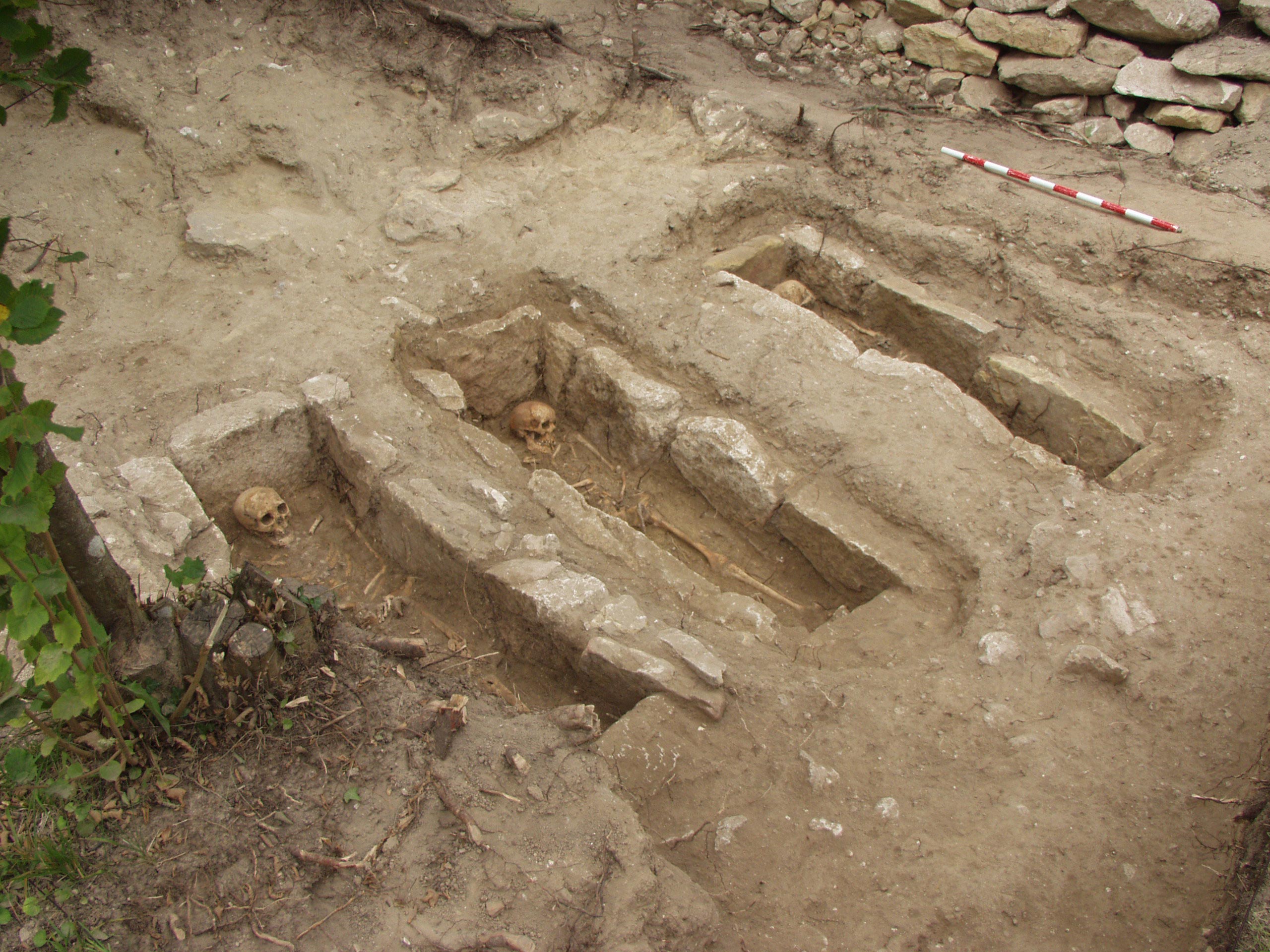
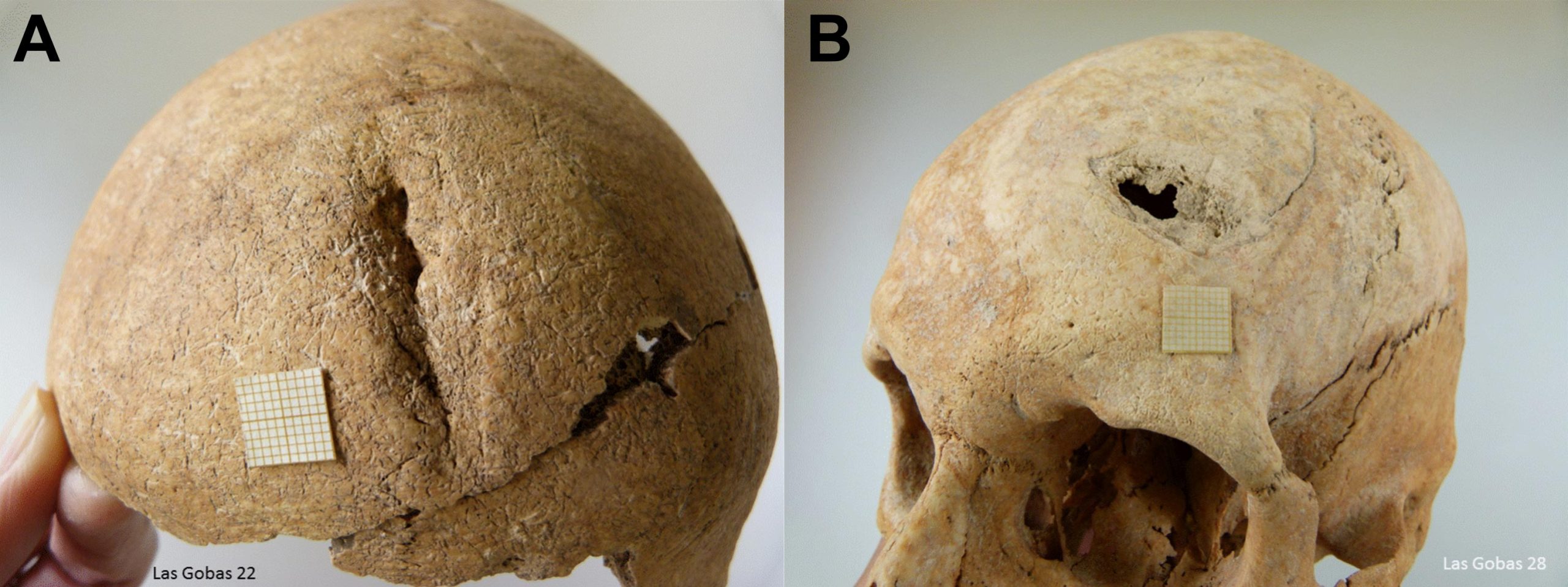
In the study, published in the journal Science Advances, the researchers focused on Las Gobas, a rural site in northern Spain’s Burgos province, near the village of Laño. The community existed from the mid-6th to the 11th century and is notable for its church and living areas carved into caves. The site also provides evidence of violence, likely from sword blows, found on some of the buried individuals. Forty-one burials were excavated, and 39 of them were subjected to archaeogenetic analysis.
Genetic Isolation Amidst Regional Turmoil
The interdisciplinary research, led by Ricardo Rodríguez Varela from the Centre for Palaeogenetics (CPG) in Stockholm integrated genetic, archaeological, and historical data to reveal the presence of an endogamous community in northern Iberia that remained relatively isolated despite centuries of turbulent regional history.
“Our findings indicate that this community stayed relatively isolated for at least five centuries,” said Rodríguez Varela. Although Las Gobas is located just north of regions under Islamic rule, “we found relatively low levels of North African and Middle Eastern ancestry compared to other medieval individuals from the Iberian Peninsula, and we did not observe a significant increase in these ancestries after the Islamic conquest of Iberia,” he concluded.
Discovery of Pathogens and Community Health Practices
Zoé Pochon, also from CPG, highlighted the discovery of several understudied pathogens in Las Gobas human remains. “For example, Erysipelothrix rhusiopathiae, a bacterium that causes skin disease through contamination of open wounds, often infects humans via domestic animals, suggesting that animal-keeping was important for this community.”
She also identified the variola virus, the causative agent of smallpox, in an individual from one of the more recent burials. This specific strain is similar to those found in Scandinavia, Germany, and Russia, underscoring the pan-European presence of smallpox during the Middle Ages.
Broader Implications of the Las Gobas Study
Anders Götherström, the senior author of the study and also based at CPG, emphasized the exhaustive nature of their research: “It is amazing how much information we were able to gather on this group of people through our archaeogenetic investigation.”
He further explained, “An endogamous group, familiar with violence, appears to have established itself in Las Gobas during the 6th or 7th century. By the 10th century, smallpox seems to have affected Las Gobas, likely spreading through Europe rather than via Islamic routes, as was previously theorized for how smallpox entered Iberia.”
This study provides new insights into the complex social, genetic, and health dynamics of a long-isolated community in early Medieval Spain.
Reference: “Five centuries of consanguinity, isolation, health, and conflict in Las Gobas: A Northern Medieval Iberian necropolis” by Ricardo Rodríguez-Varela, Reyhan Yaka, Zoé Pochon, Iban Sanchez-Pinto, José Luis Solaun, Thijessen Naidoo, Benjamin Guinet, Patxi Pérez-Ramallo, Vendela Kempe Lagerholm, Violeta de Anca Prado, Cristina Valdiosera, Maja Krzewińska, Lourdes Herrasti, Agustín Azkarate and Anders Götherström, 28 August 2024, Science Advances.
DOI: 10.1126/sciadv.adp8625
Never miss a breakthrough: Join the SciTechDaily newsletter.
Follow us on Google and Google News.
2 Comments
Very interesting! My DNA results (from twenty 3 and me) came back with a match to ido263. For anyone reading, it is September 2025, I am a white female, (50 years old), I live in Virginia (U.S.A. where I was born). I was adopted in 1975 but have made many fascinating discoveries about my ancestorial background by using popular DNA kits available to the public. The kits have proven to be very accurate, with one coming back as myself/twin! Some are more money based and only provide “wave-top” information (I call it that), but some have given me great insight through outside research and publications, and I love exploring all this information!
Hello T Shull. Very interesting. I also came back with a DNA match to Ido037. This is an intriguing relationship. C alvitre