
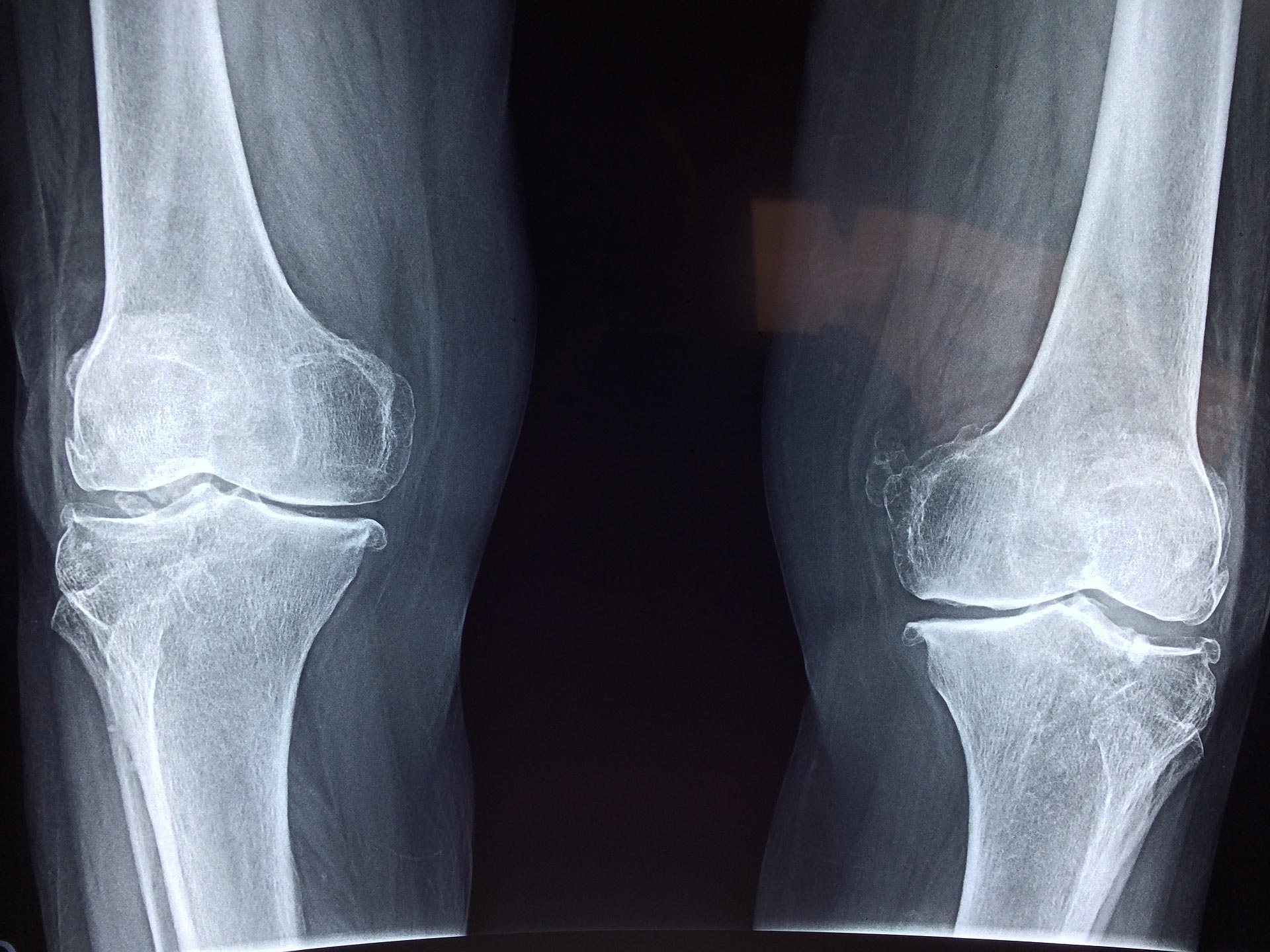
Researchers have mapped the gene activity of osteocytes to improve their understanding of skeletal disease.
Research led by the Garvan Institute of Medical Research has for the first time mapped the unique genetic profile of the skeleton’s ‘master regulator’ cells, known as osteocytes.
The study published today (May 5, 2021) in Nature Communications outlines the genes that are switched on or off in osteocytes, a type of bone cell that controls how other types of cells make or break down parts of the skeleton to maintain strong and healthy bones.
“This new information provides a kind of genetic shortlist we can look to when diagnosing bone diseases that have a genetic component,” says the study’s first author Dr. Scott Youlten, Research Officer in the Bone Biology Lab. “Identifying this unique genetic pattern will also help us find new therapies for bone disease and better understand the impacts of current therapies on the skeleton.”
A First Look at the Osteocyte Transcriptome
The skeleton is a highly dynamic structure that changes shape and composition throughout a person’s life. Osteocytes are the most abundant cell type in bone but have proved difficult to study because they are embedded within the hard mineral structure of the skeleton.
Inside the bone, osteocytes form a network similar in scale and complexity to the neurons in the brain (with over 23 trillion connections between 42 billion osteocytes) that monitors bone health and responds to aging and damage by signaling other cells to build more bone or break down old bone. Diseases such as osteoporosis and rare genetic skeletal disorders arise from an imbalance in these processes.
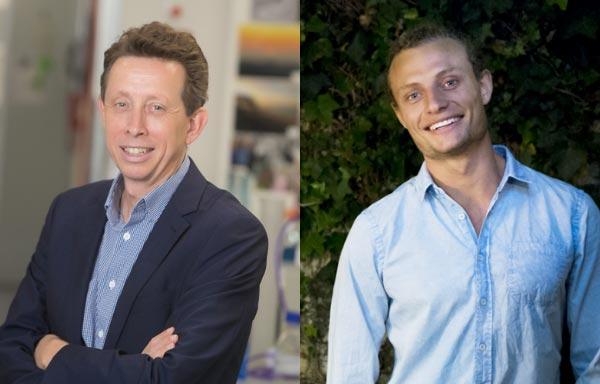
To understand what genes are involved in controlling bone build-up or breakdown, the researchers isolated bone samples from different skeletal sites of experimental models to measure the average gene activity in osteocytes. Through this, they mapped a comprehensive osteocyte ‘signature’ of 1239 genes that are switched on in osteocytes and that distinguish them from other cells. 77% of these genes have no previously known role in the skeleton and many were completely novel and only found in these critical cells.
“Many of the genes we saw enriched in osteocytes are also found in neurons, which is interesting given these cells share similar physical characteristics and may suggest they are more closely related than we previously thought,” explains Dr. Youlten.
A comparison of the osteocyte signature genes with human genetic association studies of osteoporosis identify new genes that maybe associated with susceptibility to this common skeleton disease. Furthermore, many of these osteocyte genes were also shown to cause rare bone diseases.
“Mapping the osteocyte transcriptome could help clinicians and researchers more easily establish whether a rare bone disease has a genetic cause, by looking through the ‘shortlist’ of genes known to play an active role in controlling the skeleton,” says Dr. Youlten.
The Big Picture View
Co-senior author Professor Peter Croucher, Deputy Director of the Garvan Institute and Head of the Bone Biology Lab, says that “the osteocyte transcriptome map gives researchers a picture of the whole landscape of genes that are switched on in osteocytes for the first time, rather than just a small glimpse.”
“The majority of genes that we’ve found to be active within osteocytes had no previously known role in bones. This discovery will help us understand what controls the skeleton, which genes are important in rare and common skeletal diseases and help us identify new treatments that can stop development of bone disease and also restore lost bone.”
Reference: “Osteocyte transcriptome mapping identifies a molecular landscape controlling skeletal homeostasis and susceptibility to skeletal disease” by Scott E. Youlten, John P. Kemp, John G. Logan, Elena J. Ghirardello, Claudio M. Sergio, Michael R. G. Dack, Siobhan E. Guilfoyle, Victoria D. Leitch, Natalie C. Butterfield, Davide Komla-Ebri, Ryan C. Chai, Alexander P. Corr, James T. Smith, Sindhu T. Mohanty, John A. Morris, Michelle M. McDonald, Julian M. W. Quinn, Amelia R. McGlade, Nenad Bartonicek, Matt Jansson, Konstantinos Hatzikotoulas, Melita D. Irving, Ana Beleza-Meireles, Fernando Rivadeneira, Emma Duncan, J. Brent Richards, David J. Adams, Christopher J. Lelliott, Robert Brink, Tri Giang Phan, John A. Eisman, David M. Evans, Eleftheria Zeggini, Paul A. Baldock, J. H. Duncan Bassett, Graham R. Williams and Peter I. Croucher, 5 May 2021, Nature Communications.
DOI: 10.1038/s41467-021-22517-1
This work was supported by a Wellcome Trust Strategic Award (101123/Z/13/A) and by Mrs. Janice Gibson and the Ernest Heine Family Foundation.
This work is part of an international collaboration with researchers from University of Queensland, Imperial College London, The Wellcome Trust Sanger Institute, Cambridge, the Institute of Translational Genomics, Munich, King’s College London, Guy’s Hospital, London, the New York Genome Center, New York, Erasmus MC, Netherlands, and McGill University, Canada.
Never miss a breakthrough: Join the SciTechDaily newsletter.
Follow us on Google and Google News.