
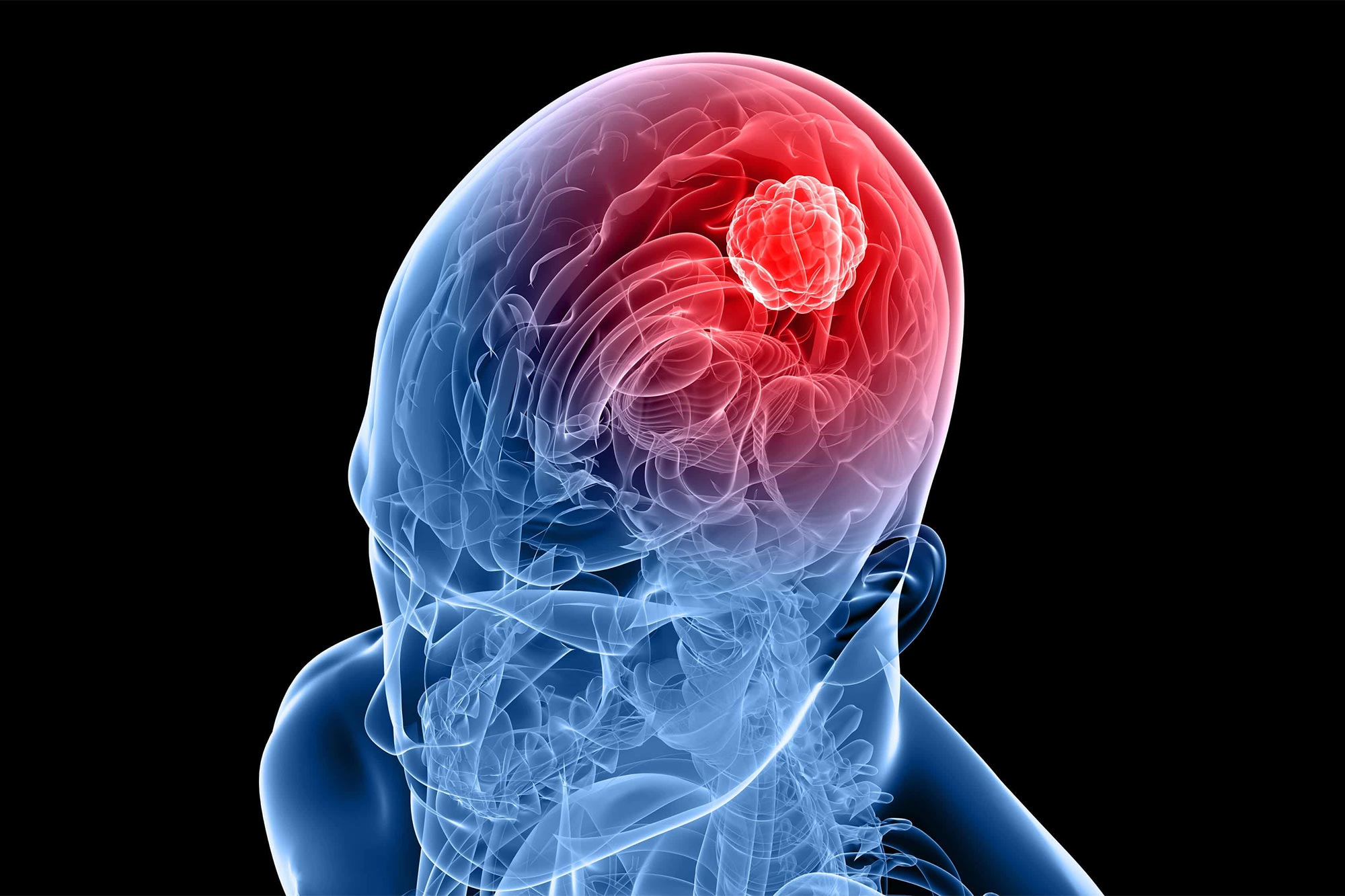
Researchers have developed a method to program immune cells to target glioblastoma and reduce inflammation associated with multiple sclerosis in mice. This technology is set to undergo clinical trials in humans for glioblastoma treatment.
UCSF scientists have developed a “molecular GPS” to direct immune cells into the brain, enabling them to target and eliminate tumors without damaging healthy tissue.
This innovative living cell therapy can travel through the body to reach a specific organ, overcoming a significant limitation of CAR-T cancer therapies. The technology has shown success in mice, and researchers anticipate it will be tested in a clinical trial next year.
The scientists showed how the immune cells could eliminate a deadly brain tumor called glioblastoma and prevent recurrences. They also used the cells to tamp down inflammation in a mouse model of multiple sclerosis.
“Living cells, especially immune cells, are adapted to move around the body, sense where they are, and find their targets,” said Wendell Lim, PhD, UCSF professor of cellular and molecular pharmacology and co-senior author of the paper, which appears in Science on Dec. 5.
Navigating to the source of disease
Nearly 300,000 patients are diagnosed with brain cancers each year in the United States, and it is the leading cause of cancer mortality in children.
Brain cancers are among the hardest cancers to treat. Surgery and chemotherapy are risky, and drugs can’t always get into the brain.
To get around these problems, the scientists developed a “molecular GPS” for immune cells that guided them with a “zip code” for the brain and a “street address” for the tumor.
They found the ideal molecular zip code in a protein called brevican, which helps to form the jelly-like structure of the brain, and only appears there. For the street address, they used two proteins that are found on most brain cancers.
The scientists programmed the immune cells to attack only if they first detected brevican and then detected one or the other of the brain cancer proteins.
Once in the bloodstream, they easily navigated to the mouse’s brain and eliminated a growing tumor. Immune cells that remained in the bloodstream stayed dormant. This prevented tissues elsewhere in the body that happened to have the same protein “address” from being attacked.
One hundred days later, the scientists introduced new tumor cells into the brain, and enough immune cells were left to find and kill them, a good indication that they may be able to prevent any remaining cancer cells from growing back.
“The brain-primed CAR-T cells were very, very effective at clearing glioblastoma in our mouse models, the most effective intervention we’ve seen yet in the lab,” said Milos Simic, PhD, the Valhalla Foundation Cell Design Fellow and co-first author of the paper. “It shows just how well the GPS ensured that they would only work in the brain. The same strategy even worked to clear brain metastases of breast cancer.”
In another experiment, the researchers used the brain GPS system to engineer cells that deliver anti-inflammatory molecules to the brain in a mouse model of multiple sclerosis. The engineered cells reached their target, and the inflammation faded.
The scientists hope this approach will soon be ready for patients with other debilitating nervous system diseases.
“Glioblastoma is one of the deadliest cancers, and this approach is poised to give patients a fighting chance,” said Hideho Okada, MD, UCSF oncologist and co-senior author of the paper.
“Between cancer, brain metastases, immune disease, and neurodegeneration, millions of patients could someday benefit from targeted brain therapies like the one we’ve developed.”
Reference: “Programming tissue-sensing T cells that deliver therapies to the brain” by Milos S. Simic, Payal B. Watchmaker, Sasha Gupta, Yuan Wang, Sharon A. Sagan, Jason Duecker, Chanelle Shepherd, David Diebold, Psalm Pineo-Cavanaugh, Jeffrey Haegelin, Robert Zhu, Ben Ng, Wei Yu, Yurie Tonai, Lia Cardarelli, Nishith R. Reddy, Sachdev S. Sidhu, Olga Troyanskaya, Stephen L. Hauser, Michael R. Wilson, Scott S. Zamvil, Hideho Okada and Wendell A. Lim, 6 December 2024, Science.
DOI: 10.1126/science.adl4237
The work was supported in part by grants from the Weill Institute for Neurosciences; the National Institutes of Health, NCI & NIBIB U54CA244438, NINDS R35NS105068, and NCI P50CA097257; ARPA-H D24AC00084-00; Living Therapeutic Initiative at UCSF; the Valhalla Foundation; UCSF Cell Design Institute; and HDFCCC Laboratory for Cell Analysis Shared Resource Facility NIH NCI award P30CA082103. For all funding see the paper.
Disclosures: Several patents have been filed related to this work (this includes but not limited to, US APP # 63/464,497; 17/042,032; 17/040,476; 17/069,717; 15/831,194; 15/829,370; 15/583,658; 15/096,971; 15/543,220). For all disclosures see the paper.
Never miss a breakthrough: Join the SciTechDaily newsletter.
Follow us on Google and Google News.