
Dinosaurs were already struggling before the asteroid, with extinctions rising, ecosystems collapsing, and mammals on the rise.
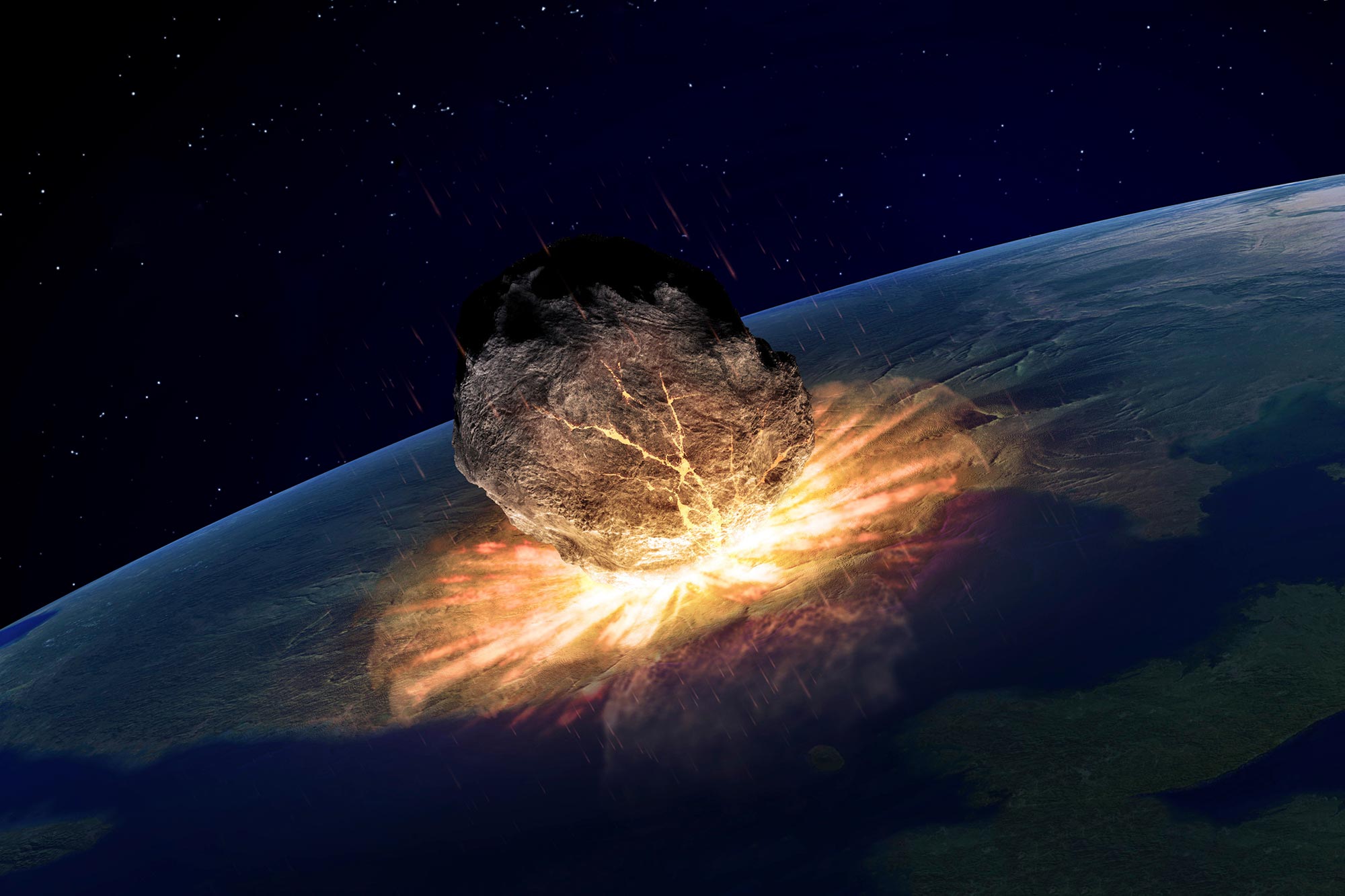
The death of the dinosaurs 66 million years ago was caused by the impact of a huge asteroid on the Earth. However, paleontologists have continued to debate whether they were already in decline or not before the impact.
In a new study, published today (June 29, 2021) in the journal Nature Communications, an international team of scientists, which includes the University of Bristol, show that they were already in decline for as much as ten million years before the final death blow.
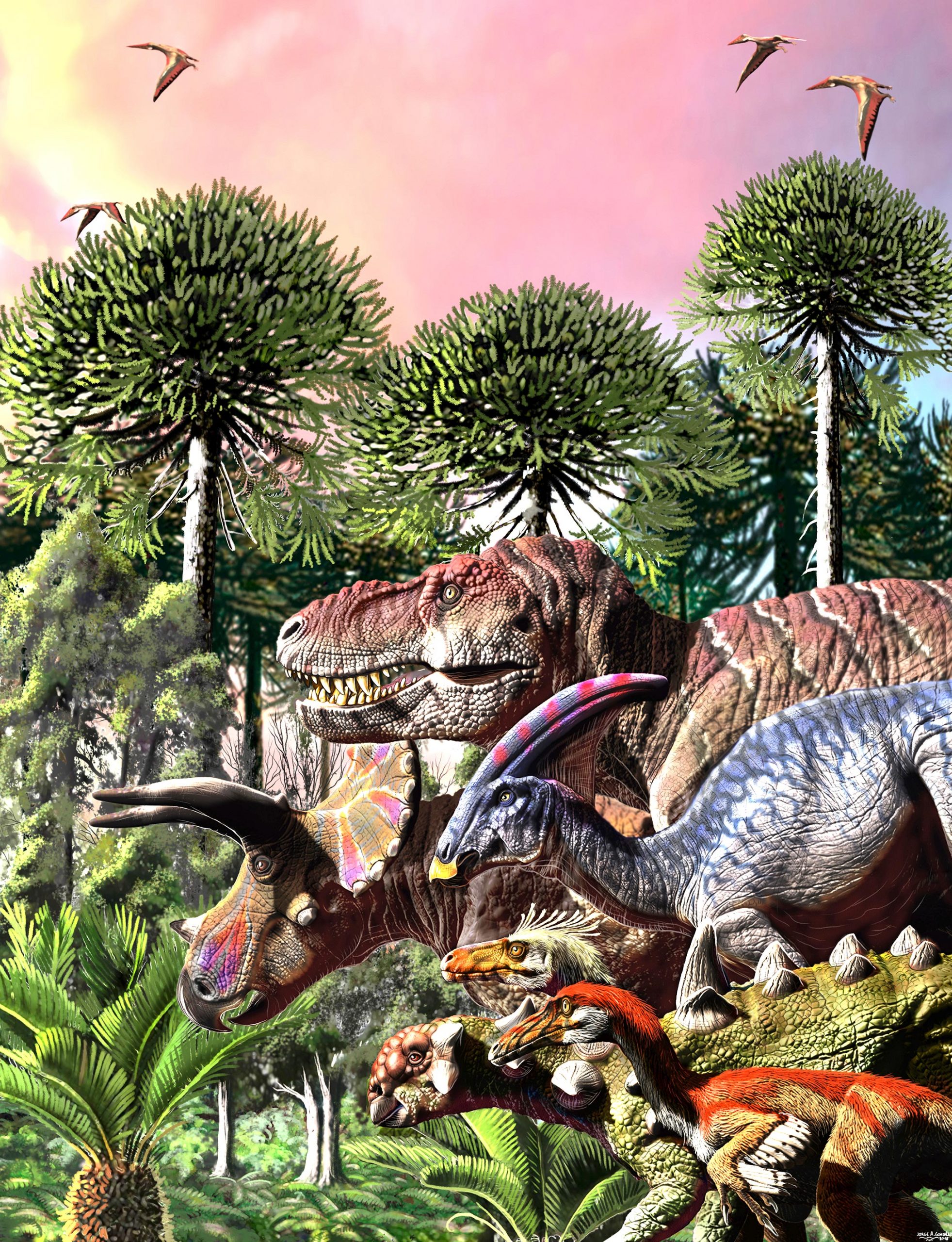
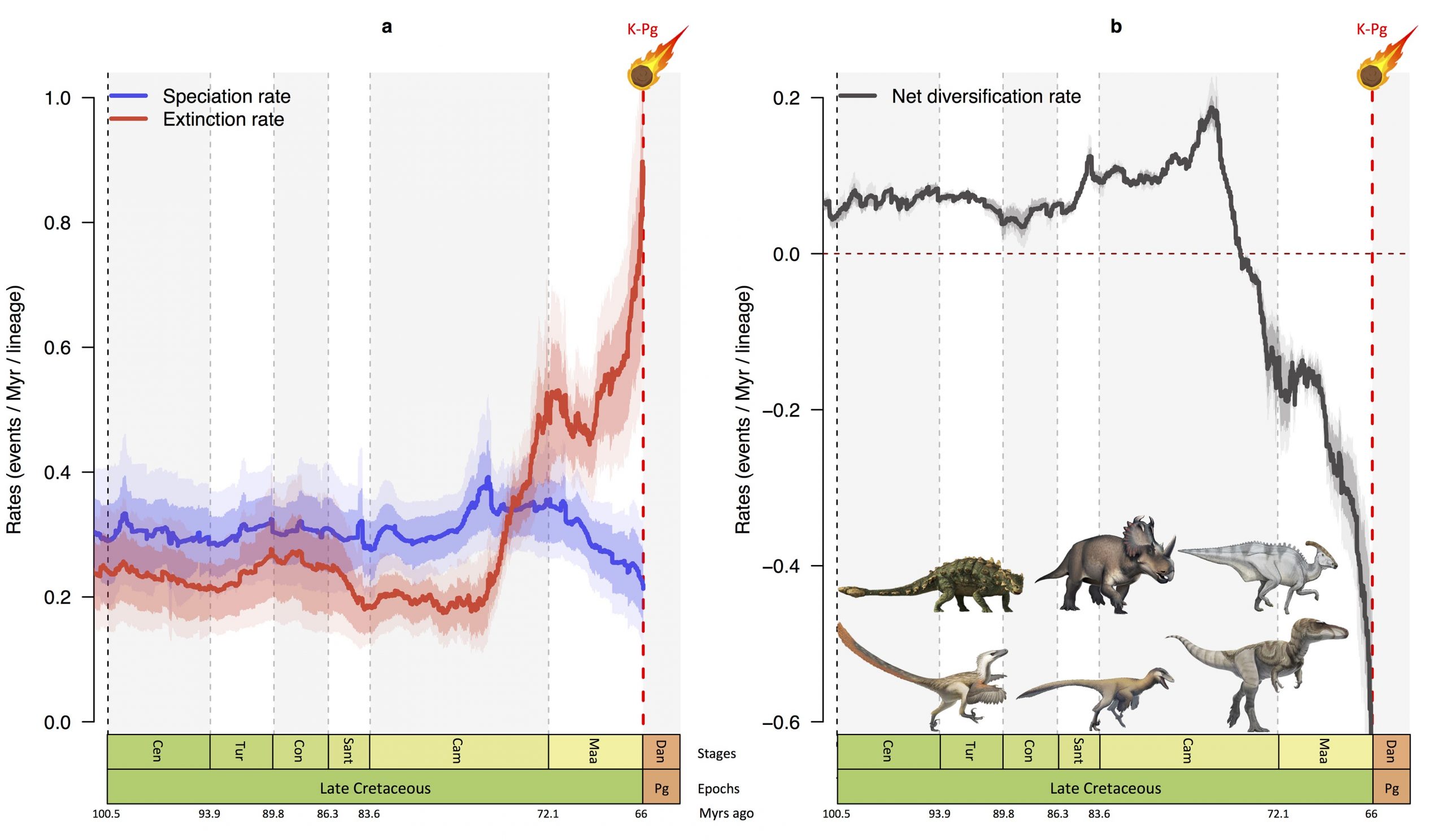
Lead author, Fabien Condamine, a CNRS researcher from the Institut des Sciences de l’Evolution de Montpellier (France), said: “We looked at the six most abundant dinosaur families through the whole of the Cretaceous, spanning from 150 to 66 million years ago, and found that they were all evolving and expanding and clearly being successful.”
“Then, 76 million years ago, they show a sudden downturn. Their rates of extinction rose and in some cases the rate of origin of new species dropped off.”
Advanced Models Confirm Decline
The team used Bayesian modeling techniques to account for several kinds of uncertainties such as incomplete fossil records, uncertainties over age-dating the fossils, and uncertainties about the evolutionary models. The models were each run millions of times to consider all these possible sources of error and to find whether the analyses would converge on an agreed most probable result.
Guillaume Guinot, also of the Institut des Sciences de l’Evolution de Montpellier, who helped run the calculations, added: “In all cases, we found evidence for the decline prior to the bolide impact.
“We also looked at how these dinosaur ecosystems functioned, and it became clear that the plant-eating species tended to disappear first, and this made the latest dinosaur ecosystems unstable and liable to collapse if environmental conditions became damaging.”
Phil Currie, a co-author of the study, from the University of Edmonton (Alberta, Canada), said: “We used over 1,600 carefully checked records of dinosaurs through the Cretaceous.
“I have been collecting dinosaurs in North America, Mongolia, China, and other areas for some time, and I have seen huge improvements in our knowledge of the ages of the dinosaur-bearing rock formations.
“This means that the data are getting better all the time. The decline in dinosaurs in their last ten million years makes sense, and indeed this is the best-sampled part of their fossil record as our study shows.”
Professor Mike Benton from the University of Bristol’s School of Earth Sciences, another co-author, added: “In the analyses, we explored different kinds of possible causes of the dinosaur decline.
Cooling Climate and Ecosystem Instability
“It became clear that there were two main factors, first that overall climates were becoming cooler, and this made life harder for the dinosaurs which likely relied on warm temperatures.
“Then, the loss of herbivores made the ecosystems unstable and prone to extinction cascade. We also found that the longer-lived dinosaur species were more liable to extinction, perhaps reflecting that they could not adapt to the new conditions on Earth.”
Fabien Condamine added: “This was a key moment in the evolution of life. The world had been dominated by dinosaurs for over 160 million years, and as they declined other groups began their rise to dominance, including the mammals.
“The dinosaurs were mostly so huge they probably hardly knew that the furry little mammals were there in the undergrowth. But the mammals began to increase in numbers of species before the dinosaurs had gone, and then after the impact they had their chance to build new kinds of ecosystems which we see today.”
Reference: “Dinosaur biodiversity declined well before the asteroid impact, influenced by ecological and environmental pressures” by Fabien L. Condamine, Guillaume Guinot, Michael J. Benton and Philip J. Currie, 29 June 2021, Nature Communications.
DOI: 10.1038/s41467-021-23754-0
Never miss a breakthrough: Join the SciTechDaily newsletter.
Follow us on Google and Google News.
2 Comments
Firstly the impact of asteroid had a localied effects for extintion as per some proofs yet obtained with restriction. However simultanios phenomena are aviable as earth’s periodic puĺse theory for extinction of dinosaurs by volcanic eruptions.But do not run away partial credit for this theory,which states impact of asteroid caused mass extinction of dinosaurs 66 million years ago.Congratulation and thanks to the author.
Dinos disapoeared from high alttiudes and latitudes first. That indicates planetary cooling The Deccan traps were probably the cause.