
Close Menu
    Facebook X (Twitter) Instagram
    SciTechDaily
    • Biology
    • Chemistry
    • Earth
    • Health
    • Physics
    • Science
    • Space
    • Technology
    Facebook X (Twitter) Pinterest YouTube RSS
    SciTechDaily
    Home»Health»New Study Connects Air Pollution With Increased Eczema Risk
    Health

    New Study Connects Air Pollution With Increased Eczema Risk

    By PLOSNovember 13, 2024No Comments3 Mins Read
    Facebook Twitter Pinterest Telegram LinkedIn WhatsApp Email Reddit
    Share
    Facebook Twitter LinkedIn Pinterest Telegram Email Reddit
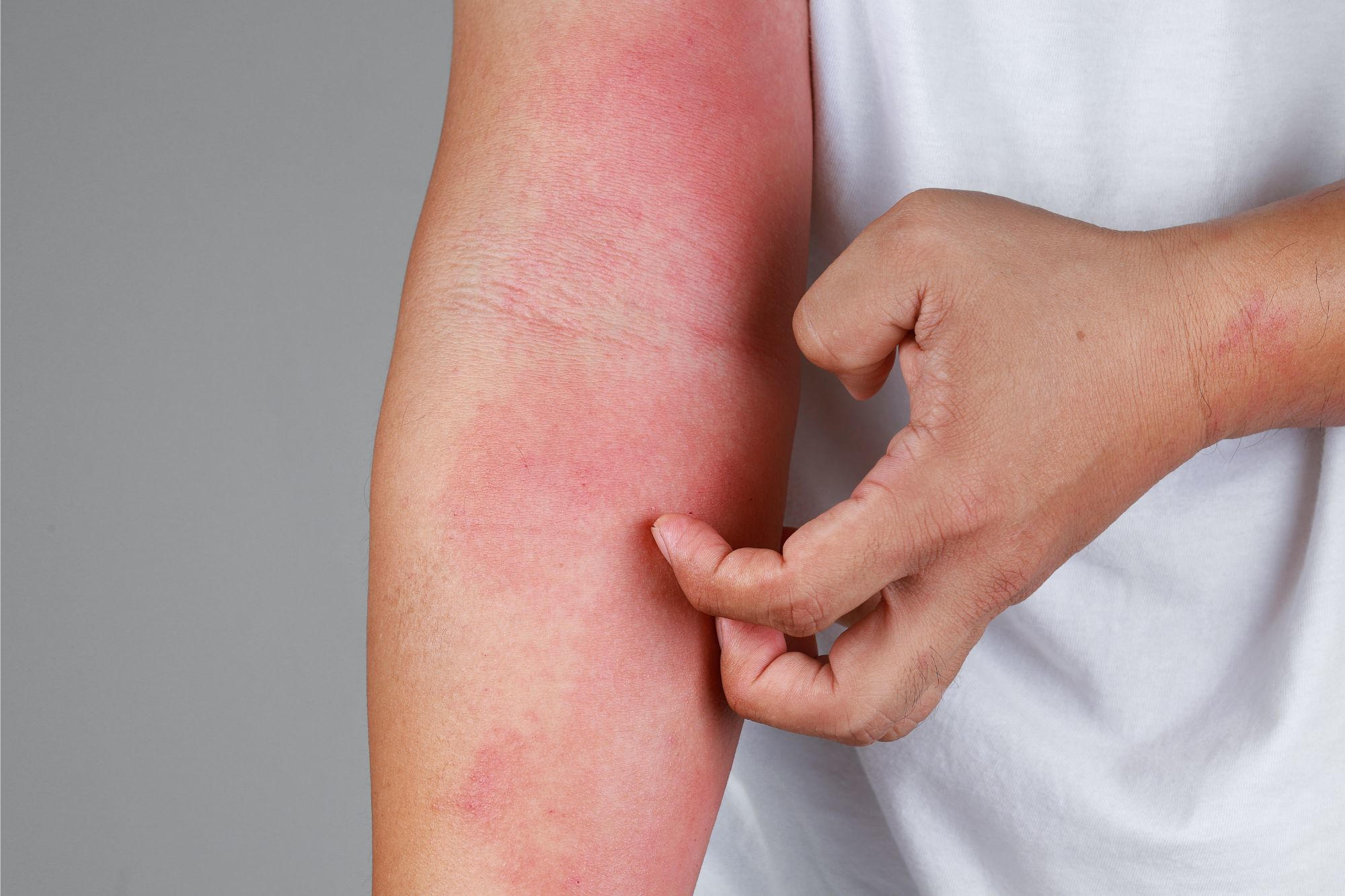
    Eczema Arm Allergy Skin Concept
    A Yale study connects increased air pollution to higher eczema rates in the U.S., highlighting the potential health risks associated with environmental pollution.

    Research from Yale School of Medicine indicates a strong link between air pollution levels and eczema prevalence in the U.S.

    The study found that residents in high PM2.5 areas are twice as likely to develop eczema, suggesting significant health implications of air pollution on skin conditions.

    A new study published today, November 13, 2024, in the journal PLOS ONE has found that people living in areas with higher air pollution are more likely to have eczema. Led by Dr. Jeffrey Cohen of Yale School of Medicine, the study explores the potential environmental impact of industrialization on skin health.

    Eczema rates have been rising globally alongside industrial growth, hinting at a possible link to environmental factors. Using data from the U.S. National Institutes of Health’s All of Us Research Program, which includes information from hundreds of thousands of U.S. adults, the study focused on 286,862 people with available demographic details, zip code, and health records.
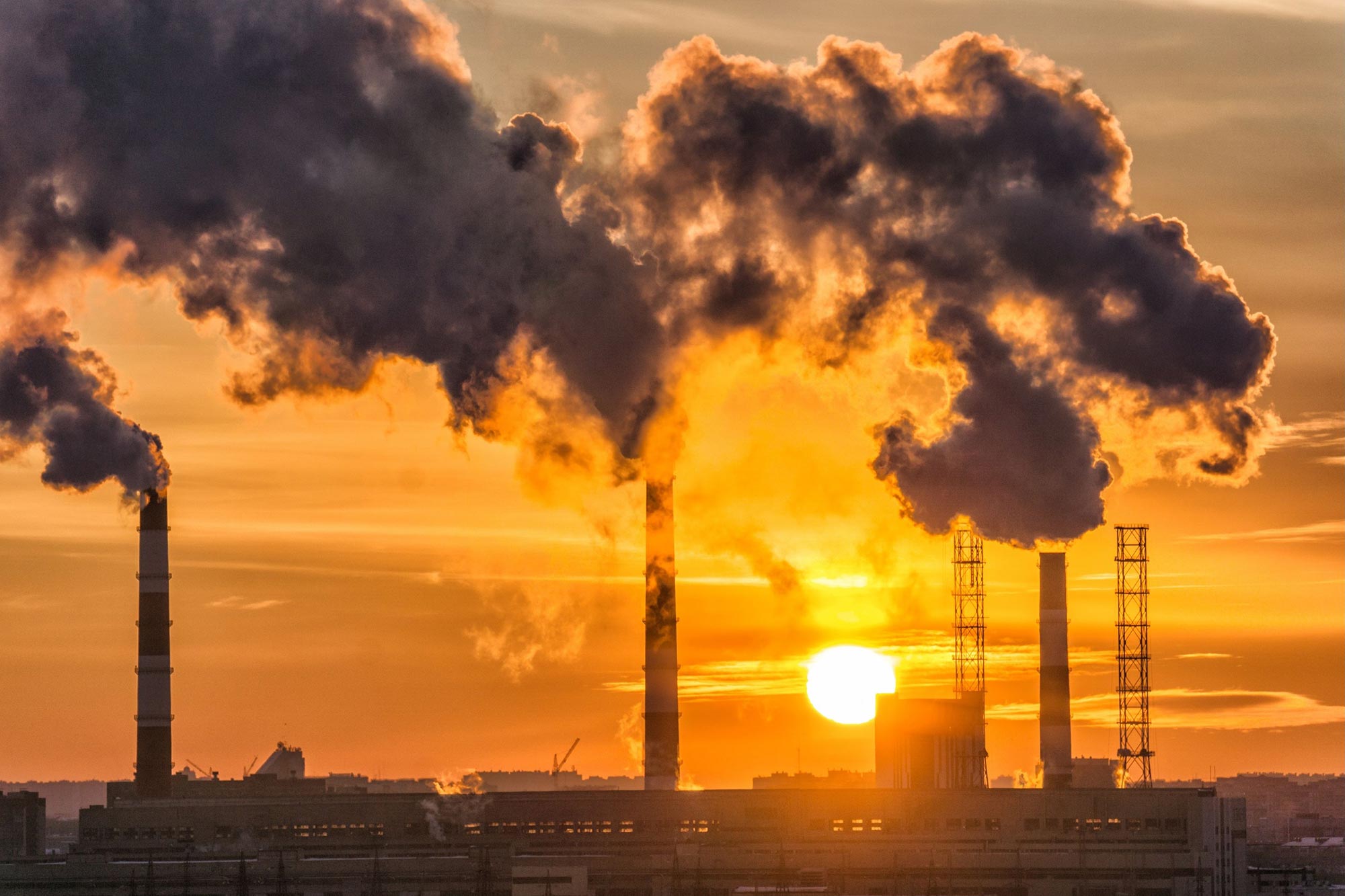
    Factory Smoke Pollution
    PM2.5 refers to tiny particles in the air that measure less than 2.5 micrometers in diameter—about 30 times smaller than a human hair. These particles, often from sources like vehicle emissions, industrial processes, and wildfires, can penetrate deep into the lungs and enter the bloodstream, posing risks to respiratory and cardiovascular health.

    The analysis showed that 12,695 participants (4.4%) had been diagnosed with eczema. After accounting for demographics and smoking status, researchers found that people with eczema were more likely to live in areas with high levels of PM2.5, a type of fine particulate matter in the air. Notably, for every 10 µm/m³ increase in PM2.5 pollution, the likelihood of having eczema more than doubled.

    Overall, 12,695 participants (4.4%) were diagnosed with eczema. After controlling for demographics and smoking status, people with eczema were more likely to live in zip codes with high levels of fine particulate matter, or PM2.5, in the air. For every increase of 10 µm/m3 in average PM2.5 air pollution in their zip code, people were more than twice as likely to have eczema.

    The authors conclude that increased air pollution, as measured by PM2.5, may influence the risk of developing eczema, likely through its effects on the immune system.

    The authors add: “Showing that individuals in the United States who are exposed to particulate matter are more likely to have eczema deepens our understanding of the important health implications of ambient air pollution.”

    Reference: “Association between fine particulate matter and eczema: A cross-sectional study of the All of Us Research Program and the Center for Air, Climate, and Energy Solutions” by Gloria F. Chen, Erica Hwang, Charles E. Leonard and Jeffrey M. Cohen, 13 November 2024, PLOS ONE.
    DOI: 10.1371/journal.pone.0310498

    Funding: This study was partly funded by the National Institute on Aging (Grant No. 2 R01 AG060975) awarded to CEL. The funder also provided support in the form of salary for author CEL but did not have any additional role in the study design, data collection and analysis, decision to publish, or preparation of the manuscript.

    Never miss a breakthrough: Join the SciTechDaily newsletter.
    Follow us on Google and Google News.

    Dermatology PLOS Pollution
    Share. Facebook Twitter Pinterest LinkedIn Email Reddit

    Related Articles

    Dirty Air Linked to Higher Alzheimer’s Risk in Massive US Study

    Take Time to Protect Your Kids’ Skin Now, It Could Prevent Cancer Later

    Yale Scientists Reveal ‘Major Player’ in Skin Cancer Genes

    Yale Researchers Successfully Treat Eczema with Rheumatoid Arthritis Drug

    Study Shows Arthritis Drug Restores Skin Color for Vitiligo Patients

    Ultraviolet Radiation Continues to Damage Skin After Sun Exposure

    Resveratrol Inhibits the Growth of Bacteria that Causes Acne

    Study Links Levels of Air Pollution and Ozone to Cardiac Arrest

    Report Claims 100 Million Will Die From Climate Change by 2030

    Leave A Reply Cancel Reply

    • Facebook
    • Twitter
    • Pinterest
    • YouTube

    Don't Miss a Discovery

    Subscribe for the Latest in Science & Tech!

    Trending News

    The Universe Is Expanding Too Fast and Scientists Can’t Explain Why

    “Like Liquid Metal”: Scientists Create Strange Shape-Shifting Material

    Early Warning Signals of Esophageal Cancer May Be Hiding in Plain Sight

    Common Blood Pressure Drug Shows Surprising Power Against Deadly Antibiotic-Resistant Superbug

    Scientists Uncover Dangerous Connection Between Serotonin and Heart Valve Disease

    Scientists Discover a “Protector” Protein That Could Help Reverse Hair Loss

    Bone-Strengthening Discovery Could Reverse Osteoporosis

    Scientists Uncover Hidden Trigger Behind Stem Cell Aging

    Follow SciTechDaily
    • Facebook
    • Twitter
    • YouTube
    • Pinterest
    • Newsletter
    • RSS
    SciTech News
    • Biology News
    • Chemistry News
    • Earth News
    • Health News
    • Physics News
    • Science News
    • Space News
    • Technology News
    Recent Posts
    • A Common Diabetes Drug May Hold the Key to Stopping HIV From Coming Back
    • Ancient “Syphilis-Like” Disease in Vietnam Challenges Key Scientific Assumptions
    • Drinking Alcohol To Cope in Your 20s Could Damage Your Brain for Life
    • Scientists Crack Alfalfa’s Chromosome Mystery After Decades of Debate
    • Ancient Ant-Plant Alliance Collapses As Predatory Wasps Move In
    Copyright © 1998 - 2026 SciTechDaily. All Rights Reserved.
    • Science News
    • About
    • Contact
    • Editorial Board
    • Privacy Policy
    • Terms of Use

    Type above and press Enter to search. Press Esc to cancel.