

Close Menu
    Facebook X (Twitter) Instagram
    SciTechDaily
    • Biology
    • Chemistry
    • Earth
    • Health
    • Physics
    • Science
    • Space
    • Technology
    Facebook X (Twitter) Pinterest YouTube RSS
    SciTechDaily
    Home»Science»New Study Reveals How Dementia Rewires Empathy in the Brain
    Science

    New Study Reveals How Dementia Rewires Empathy in the Brain

    By Karolinska InstitutetDecember 3, 2024No Comments3 Mins Read
    Facebook Twitter Pinterest Telegram LinkedIn WhatsApp Email Reddit
    Share
    Facebook Twitter LinkedIn Pinterest Telegram Email Reddit
    Frustrated Angry Senior Couple Arguing
    Frontotemporal dementia impairs empathy through specific brain activity changes, as shown by fMRI research connecting brain patterns with caregiver reports.

    Frontotemporal dementia affects empathy and social behavior, with reduced brain activity in empathy-related regions.

    Patients with frontotemporal dementia often struggle with empathy. Researchers at Karolinska Institutet have discovered that, unlike healthy individuals, these patients show reduced brain activity when observing others in pain. This finding offers valuable insights into the unique challenges of this form of dementia and may help improve our understanding of the condition.

    Research on Brain Activity and Empathy

    Every year, approximately 25,000 people in Sweden are diagnosed with dementia, with around 3% of these cases identified as frontotemporal dementia. This form of dementia is particularly challenging to diagnose and is characterized by a loss of empathy, which can create significant difficulties not only for patients but also for their families.

    In a new study led by Olof Lindberg of Karolinska Institutet and Alexander Santillo of Lund University, researchers analyzed 28 individuals with frontotemporal dementia using functional magnetic resonance imaging (fMRI).
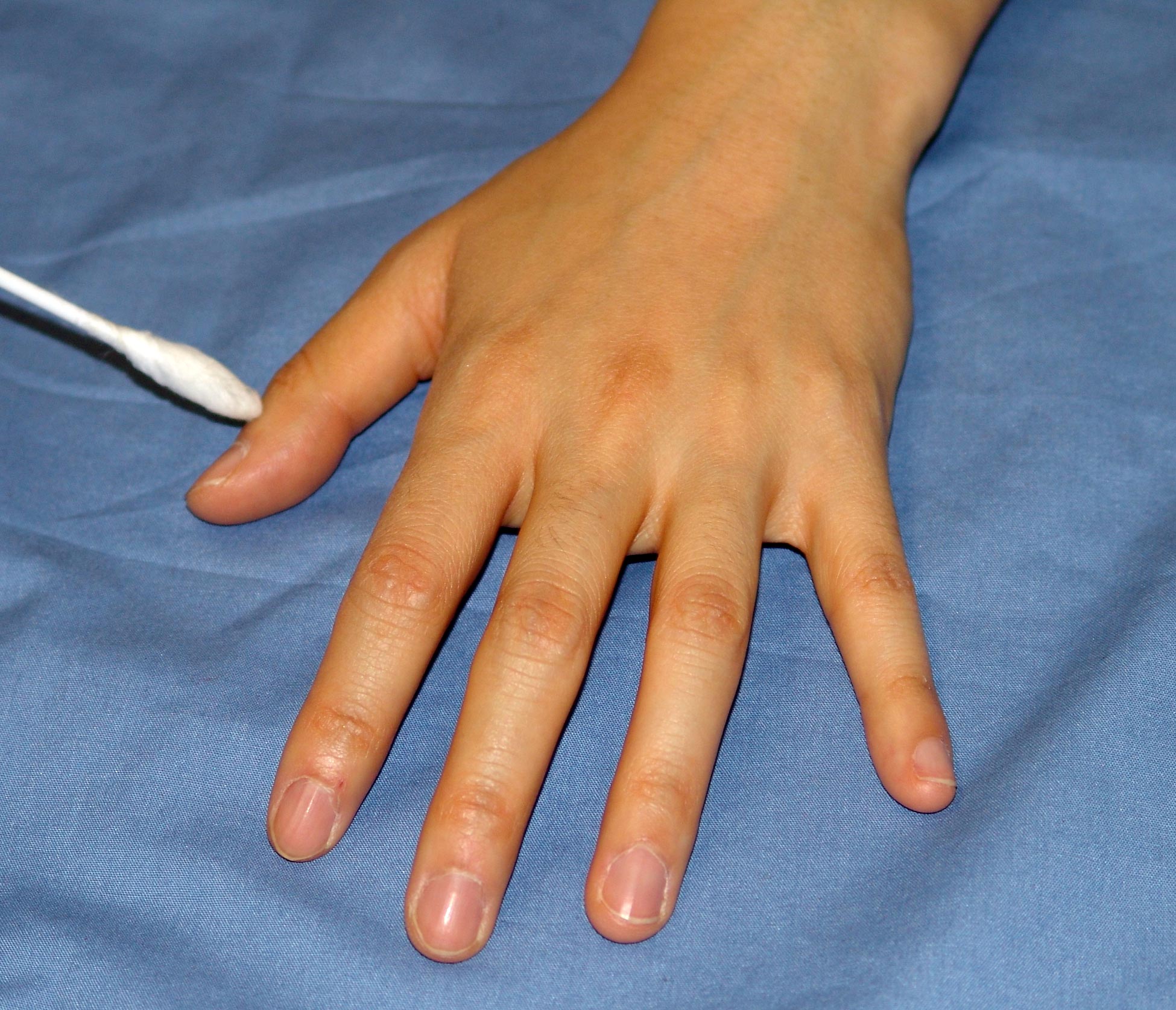
    Hand With Cotton Swab
    Picture of the hand from the study. Credit: 2024 Lindberg O et al. JAMA Network Open

    Key Findings: Empathy and Brain Activation

    The study investigated how brain activity responded when participants viewed images of hands being pierced by needles—scenes that typically activate brain regions associated with recognizing suffering or pain in others. This approach provided valuable insights into the neurological underpinnings of empathy loss in frontotemporal dementia.

    The study shows that people with frontotemporal dementia do not display any activation of the frontal brain networks that are activated in the control group of age-matched healthy individuals.
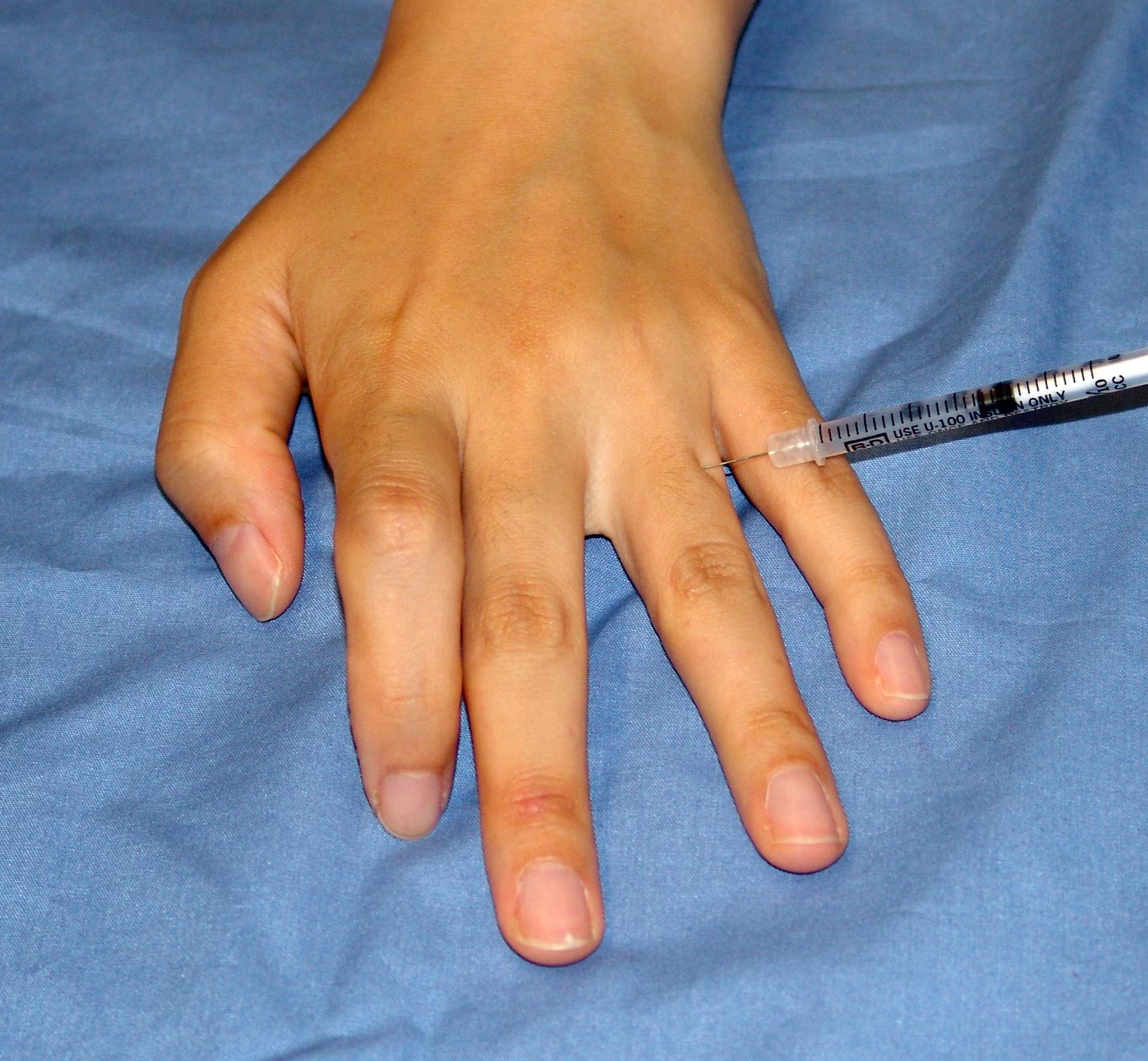
    Hand Penetrated With Needle
    Picture of the hand from the study. Credit: 2024 Lindberg O et al. JAMA Network Open

    Implications for Understanding Frontotemporal Dementia

    “What is particularly interesting is that we have been able to relate this measure of brain activity in patients to how carers rate their lack of empathy. There turned out to be a strong correlation, and that’s important. It shows that what happens in the brain is connected to the people’s behavior,” says Olof Lindberg.

    Olof Lindberg
    Olof Lindberg. Credit: Mina Lindberg

    Dementia usually means memory problems, but frontotemporal dementia with a loss of ability to empathize with other people can resemble other conditions with empathy problems in psychiatry, such as psychopathy. Olof Lindberg believes that the new findings on how brain activity is affected will increase understanding of the disease.

    “This captures a key symptom in patients, and with a lack of empathy, it naturally becomes more difficult to act socially. So, it can affect the judgment of whether to be cared for at home, for example.”

    Reference: “Altered Empathy Processing in Frontotemporal Dementia” by Olof Lindberg, Tie-Qiang Li, Cecilia Lind, Susanna Vestberg, Ove Almkvist, Mikael Stiernstedt, Anita Ericson, Nenad Bogdanovic, Oskar Hansson, Luke Harper, Eric Westman, Caroline Graff, Theofanis Tsevis, Peter Mannfolk, Håkan Fischer, Gustav Nilsonne, Predrag Petrovic, Lars Nyberg, Lars-Olof Wahlund and Alexander F. Santillo, 3 December 2024, JAMA Network Open.
    DOI: 10.1001/jamanetworkopen.2024.48601

    The study was carried out in collaboration between Skåne University Hospital, Norrland University Hospital, and Karolinska University Hospital Huddinge.

    Never miss a breakthrough: Join the SciTechDaily newsletter.
    Follow us on Google and Google News.

    Dementia fMRI Karolinska Institutet Psychiatry
    Share. Facebook Twitter Pinterest LinkedIn Email Reddit

    Related Articles

    New Brain Study Challenges Decades of Memory Research

    The Rhythm in Your Brain That Draws the Line Between You and the World

    Young Adult Health Habits Linked to Midlife Cognitive Decline

    How Do We Recognize Songs Instantly? New Study Reveals How Humans Predict Musical Sequences

    Magic Mushrooms and the Mind: Psilocybin’s Hyperconnected Brain State Linked to Therapeutic Effects

    Brain Battles: How Stress Wipes Out Your Cognitive Reserve

    The Mind After Midnight: Exploring the Dark Link Between Sleeplessness and Violence

    Rewiring Reality: Stanford Unveils the Brain’s Fault Lines in Psychosis

    Alarming Study: Smoking Causes Brain Shrinkage – “It Sounds Bad, and It Is Bad”

    Leave A Reply Cancel Reply

    • Facebook
    • Twitter
    • Pinterest
    • YouTube

    Don't Miss a Discovery

    Subscribe for the Latest in Science & Tech!

    Trending News

    Popular Sugar-Free Sweetener Linked to Liver Disease, Study Warns

    What Is Hantavirus? The Deadly Disease Raising Alarm Worldwide

    Scientists Just Discovered How the Universe Builds Monster Black Holes

    Scientists Unveil New Treatment Strategy That Could Outsmart Cancer

    A Simple Vitamin May Hold the Key to Treating Rare Genetic Diseases

    Scientists Think the Real Fountain of Youth May Be Hiding in Your Gut

    Ravens Don’t Follow Wolves, They Predict Them

    This Common Knee Surgery May Be Doing More Harm Than Good

    Follow SciTechDaily
    • Facebook
    • Twitter
    • YouTube
    • Pinterest
    • Newsletter
    • RSS
    SciTech News
    • Biology News
    • Chemistry News
    • Earth News
    • Health News
    • Physics News
    • Science News
    • Space News
    • Technology News
    Recent Posts
    • Scientists Identify Simple Supplement That Greatly Reduces Alzheimer’s Damage
    • You May Have a Dangerous Type of Cholesterol Even if Your Tests Look Normal
    • Study Reveals Dangerous Flaw in AI Symptom Checkers
    • New MRI Breakthrough Captures Stunningly Clear Images of the Eye and Brain
    • Scientists Warn Sitting Too Much Can Harm Your Body in Surprising Ways
    Copyright © 1998 - 2026 SciTechDaily. All Rights Reserved.
    • Science News
    • About
    • Contact
    • Editorial Board
    • Privacy Policy
    • Terms of Use

    Type above and press Enter to search. Press Esc to cancel.