

Close Menu
    Facebook X (Twitter) Instagram
    SciTechDaily
    • Biology
    • Chemistry
    • Earth
    • Health
    • Physics
    • Science
    • Space
    • Technology
    Facebook X (Twitter) Pinterest YouTube RSS
    SciTechDaily
    Home»Science»The Mind After Midnight: Exploring the Dark Link Between Sleeplessness and Violence
    Science

    The Mind After Midnight: Exploring the Dark Link Between Sleeplessness and Violence

    By University of Arizona Health SciencesMay 29, 2024No Comments4 Mins Read
    Facebook Twitter Pinterest Telegram LinkedIn WhatsApp Email Reddit
    Share
    Facebook Twitter LinkedIn Pinterest Telegram Email Reddit
    Late Night Crime Concept
    Researchers reveal that suicide and homicide risks peak at night due to factors like disrupted sleep and alcohol, suggesting a link between nocturnal wakefulness and impulsive violence. Credit: SciTechDaily.com

    An analysis of 15 years of national data on suicides and homicides shows that nocturnal wakefulness is associated with death by both suicide and homicide, possibly driven by deficits in behavioral and emotional regulation.

    Risks for death by suicide and homicide peak at night, with nocturnal wakefulness, age, alcohol use, and relationship conflicts being especially prevalent as contributing factors. This is according to a new analysis by researchers in the Department of Psychiatry at the University of Arizona College of Medicine – Tucson.
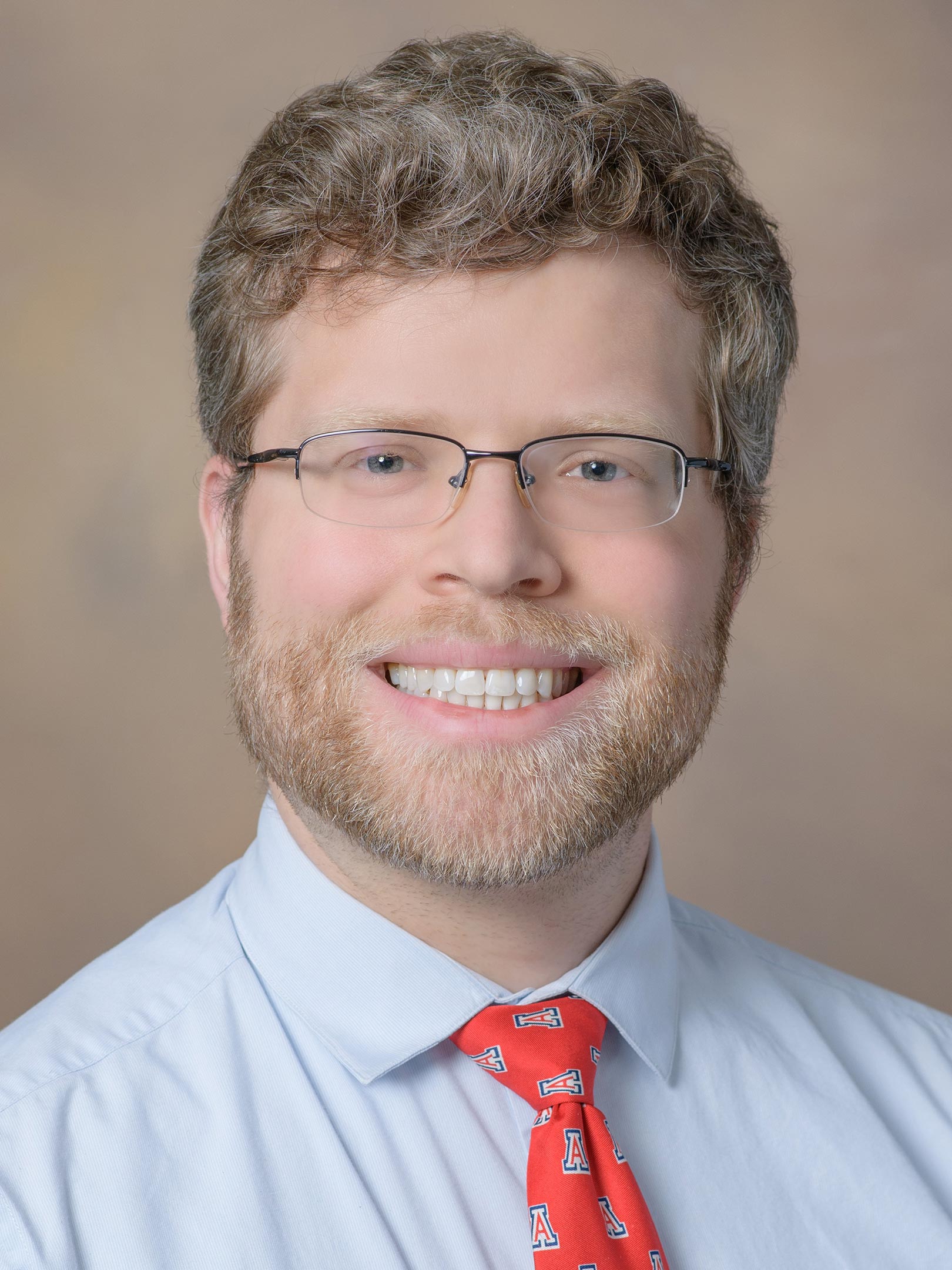
    Andrew Tubbs
    Andrew Tubbs, MD, PhD, is a researcher in the Sleep and Health Research Program at the UArizona College of Medicine – Tucson’s Department of Psychiatry. Credit: University of Arizona College of Medicine – Tucson

    Nearly 19% of suicides and 36% of homicides occur at night. Suicide and homicide share little in common, but their highly concordant overnight risk patterns suggest a common feature: nocturnal wakefulness.

    “Disrupted sleep may acutely impair rational thought, which can drive impulsive behaviors in vulnerable individuals,” said first author Andrew Tubbs, MD, PhD, a researcher in the Sleep and Health Research Program at the UArizona College of Medicine – Tucson’s Department of Psychiatry. “Our analysis of 15 years of data across the U.S. showed that there is a five-fold greater risk for suicide and an eight-fold greater risk for homicide between 2 a.m. and 3 a.m. when adjusting for the number of people who are awake and capable of suicide or homicide.”

    The paper, “Risk for Suicide and Homicide Peaks at Night: Findings From the National Violent Death Reporting System, 35 States, 2003–2017,” was published today (May 29) in Journal of Clinical Psychiatry.

    “The fact that these overnight risk patterns apply to both suicide and homicide are striking,” said the study’s senior author Michael Grandner, PhD, an associate professor of psychiatry, director of the Behavioral Sleep Medicine Clinic and a BIO5 Institute member. “In our review of more than 78,000 suicides and 50,000 homicides, we can find some insight into why nocturnal wakefulness – what we are calling ‘the mind after midnight’ – carries a distinct risk for dysregulated behaviors.”
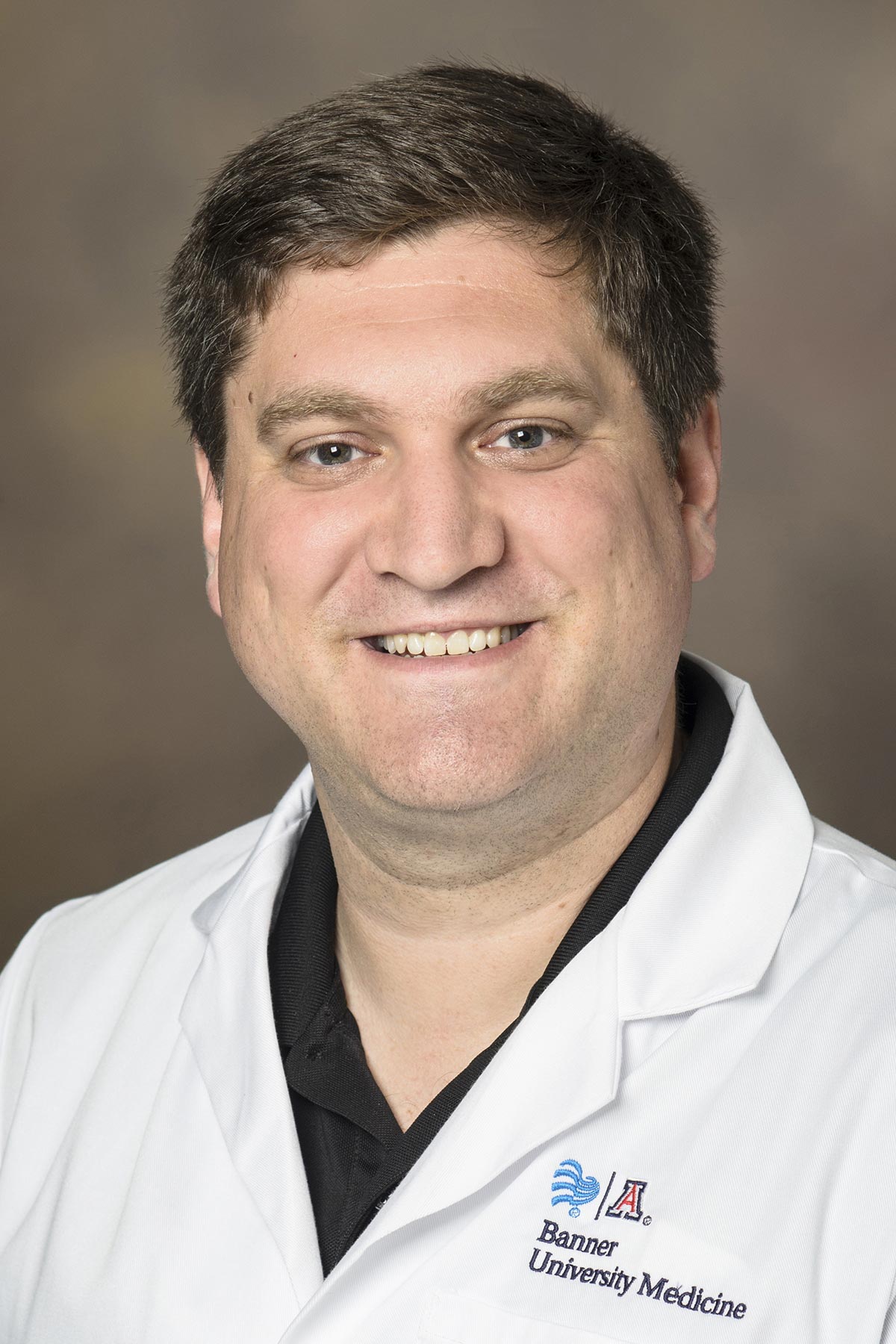
    Michael Grandner
    Michael Grandner, PhD, is an associate professor of psychiatry, director of the Behavioral Sleep Medicine Clinic and a BIO5 Institute member. Credit: University of Arizona College of Medicine – Tucson

    The ‘Mind After Midnight’ Hypothesis

    The authors’ mind after midnight hypothesis proposes that nocturnal wakefulness deteriorates the brain’s complex decision-making functions and reduces rational thinking during a time when negative mood is at its peak, positive mood is at its lowest, and risk/reward processing is distorted.

    The findings supported that hypothesis. Nighttime risk was greater among adolescents and young adults, people who were intoxicated with alcohol, and those experiencing current partner conflict, conflict, but not among those who used cannabis or were currently
    depressed.

    Individuals aged 15-24 years experienced a three-fold greater nighttime risk for suicide, while there was an unexpected suicide risk among older adults at 6 a.m. Risk for homicide did not vary by age, though young adults accounted for more than half of all homicide victims.

    “Few studies have examined time-of-day trends in violent crime,” Tubbs said. “Future studies could clarify what exactly is happening in the brain to predispose people to these sorts of risks and whether evidence-based strategies to improve sleep and reduce nighttime wakefulness can help reduce the risks and prevent these tragic outcomes.”

    Reference: “Risk for Suicide and Homicide Peaks at Night: Findings From the National Violent Death Reporting System, 35 States, 2003–2017” by Andrew S. Tubbs, MD, PhD; Fabian-Xosé Fernandez, PhD; Elizabeth B. Klerman, MD, PhD; Jordan F. Karp, MD; Mathias Basner, MD, PhD; Subhajit Chakravorty, MD; Ellen Watkins, BS; Michael L. Perlis, PhD and Michael A. Grandner, PhD, MTR, 29 May 2024, Journal of Clinical Psychiatry.
    DOI: 10.4088/JCP.23m15207

    Never miss a breakthrough: Join the SciTechDaily newsletter.
    Follow us on Google and Google News.

    Psychiatry Sleep Science Suicide University of Arizona
    Share. Facebook Twitter Pinterest LinkedIn Email Reddit

    Related Articles

    Sleep Revolution: How Magnetic Pulses Could Treat Insomnia

    Melatonin Sleep Aid May Reduce Self-Harm in Young People With Anxiety and Depression

    Reducing Nightmares: Scientists Manipulate Emotions in Dreams

    Deadly Paradox? Increased Suicide Deaths Among Youth Following Antidepressant Warnings

    Study Suggests $31 Billion in Workplace Losses Due to Insomnia

    Small Changes in Sleeping Patterns Have a Big Impact on Kids

    Brain Scans Help Scientists Read Dreams

    Strategic Napping Allows Workers to Perform Better at Arduous Tasks

    33,000 Year Old Domesticated Dog Skull Found in Siberian Cave

    Leave A Reply Cancel Reply

    • Facebook
    • Twitter
    • Pinterest
    • YouTube

    Don't Miss a Discovery

    Subscribe for the Latest in Science & Tech!

    Trending News

    Beyond Pain Relief: Scientists Discover a Protein That Could Stop Osteoarthritis in Its Tracks

    Scientists Discover Why Alcohol Prevents the Liver From Healing, Even After You Quit

    Scientists Stunned As Volcano Removes Methane From the Air

    Scientists Discover Signs Africa May Be Splitting Apart Beneath Zambia

    Common Blood Pressure Drug Supercharges Cancer Treatment in Surprising New Study

    540-Million-Year-Old Fossils Reveal a Huge Surprise About Early Life on Earth

    Scientists Reverse Stroke Damage Using Stem Cells in Breakthrough Study

    Eating One Egg a Day Could Cut Alzheimer’s Risk by 27%

    Follow SciTechDaily
    • Facebook
    • Twitter
    • YouTube
    • Pinterest
    • Newsletter
    • RSS
    SciTech News
    • Biology News
    • Chemistry News
    • Earth News
    • Health News
    • Physics News
    • Science News
    • Space News
    • Technology News
    Recent Posts
    • This “Longevity Gene” May Protect the Brain From Aging and Dementia
    • Scientists Discover Surprising Effect of Ultra-Processed Foods Inside Thigh Muscles
    • Common Cleaning Chemical Could Triple Your Risk of a Dangerous Liver Disease
    • New Brain “Bypass” Technology Could Transform Treatment for Neurological Disorders
    • Physicists Observe Strange Quantum Rotation Effect That Defies Intuition
    Copyright © 1998 - 2026 SciTechDaily. All Rights Reserved.
    • Science News
    • About
    • Contact
    • Editorial Board
    • Privacy Policy
    • Terms of Use

    Type above and press Enter to search. Press Esc to cancel.