

Genetic evidence suggests that depression causes increased menstrual pain.
The study utilized Mendelian randomization to trace genetic influences, showing strong correlations in European and East Asian populations. Sleep disturbances were identified as a possible factor exacerbating menstrual pain, pointing to the need for integrated mental and reproductive health treatments to enhance patient care.
Linking Depression and Menstrual Pain
Women are twice as likely as men to experience depression, often accompanied by more intense physical symptoms. This disparity is most pronounced during reproductive years, significantly affecting the lives of hundreds of millions worldwide. While mental and reproductive health are known to be interconnected, these relationships have been insufficiently explored.
A new study published in Briefings in Bioinformatics by researchers from China and the UK reveals that depression may increase the likelihood of menstrual pain, also known as dysmenorrhea.
Exploring Genetic Connections
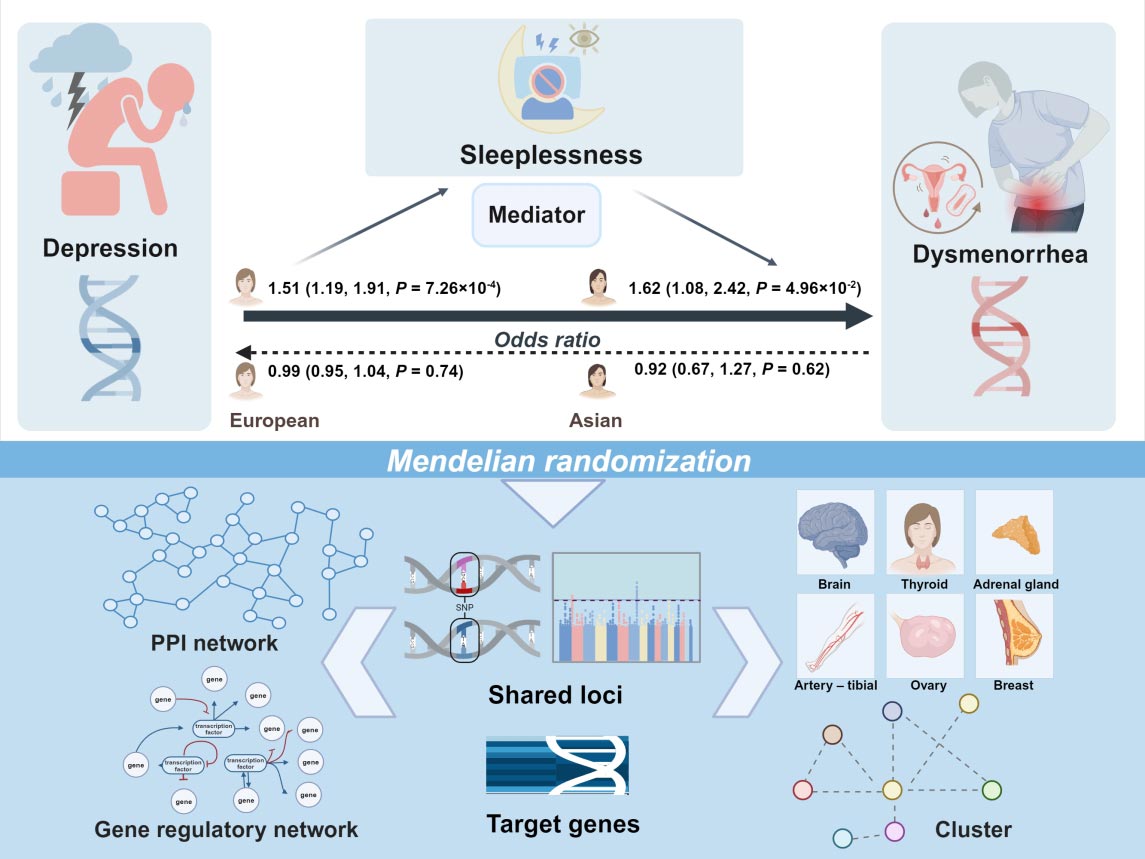
Shuhe Liu, the study’s lead author and a PhD student at Xi’an Jiaotong-Liverpool University (XJTLU) in China, explains: “We used a specialized technique called Mendelian randomization to analyze genetic variation and identify specific genes that may mediate the effect of depression on menstrual pain.
“Our findings provide preliminary evidence that depression may be a cause, rather than a consequence, of dysmenorrhea as we did not find evidence that period pain increased the risk of depression.”
The Role of Sleep Disturbances in Menstrual Health
The team analyzed approximately 600,000 cases from European populations and 8,000 from East Asian populations and saw a strong link in both datasets. They also investigated the possibility that sleeplessness, often experienced by those suffering from depression, was a significant mediator between depression and dysmenorrhea.
“We found that increased sleep disturbances could exacerbate menstrual pain. Addressing sleep issues may therefore be crucial in managing both conditions. However, more research is required to understand the intricate links between these factors,” says Liu.
Advocating for a Holistic Approach in Healthcare
This study further highlights the need for a holistic approach when treating mental health and reproductive issues.
Liu says: “Mental disorders are often not considered when treating conditions such as period pain. Our findings emphasize the importance of mental health screening for people who suffer from severe menstrual pain. We hope this can lead to more personalised treatment options, and improved healthcare, and reduce the stigma surrounding the conditions.
“Our results provide evidence of a link between our neurological systems and the rest of the body. By exploring and understanding these relationships better, we can make a real difference to the millions of people experiencing period pain and mental health issues.”
Reference: “Deciphering the genetic interplay between depression and dysmenorrhea: a Mendelian randomization study” by Shuhe Liu, Zhen Wei, Daniel F Carr and John Moraros, 27 November 2024, Briefings in Bioinformatics.
DOI: 10.1093/bib/bbae589
Liu is supervised by Professor John Moraros and Dr. Zhen Wei from XJTLU, China and Dr. Dan Carr from the University of Liverpool, UK.
Never miss a breakthrough: Join the SciTechDaily newsletter.
Follow us on Google and Google News.