
Close Menu
    Facebook X (Twitter) Instagram
    SciTechDaily
    • Biology
    • Chemistry
    • Earth
    • Health
    • Physics
    • Science
    • Space
    • Technology
    Facebook X (Twitter) Pinterest YouTube RSS
    SciTechDaily
    Home»Health»NIH Scientists Discover Gene Responsible for Rare Eye Disease
    Health

    NIH Scientists Discover Gene Responsible for Rare Eye Disease

    By National Eye InstituteOctober 7, 20243 Comments3 Mins Read
    Facebook Twitter Pinterest Telegram LinkedIn WhatsApp Email Reddit
    Share
    Facebook Twitter LinkedIn Pinterest Telegram Email Reddit
    Red Damaged Irritated Eye
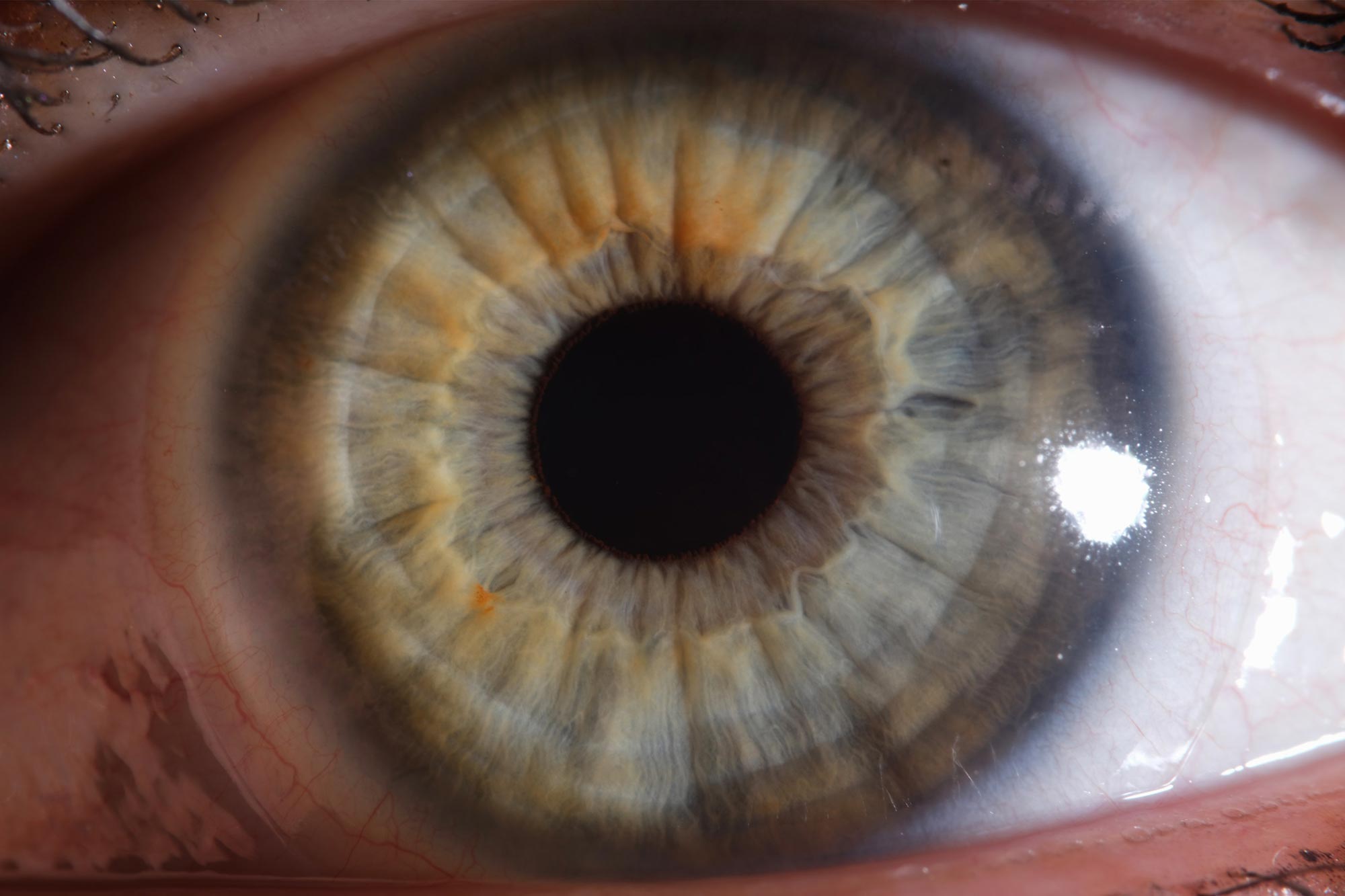
    NIH scientists have identified the UBAP1L gene as a cause of certain inherited retinal diseases, offering new insights into vision loss disorders and potential avenues for future treatments. Credit: SciTechDaily.com

    Findings supported by the NIH pave the way for the development of genetic testing, clinical trials, and therapies.

    Researchers at the National Institutes of Health (NIH) and their collaborators have discovered a gene linked to certain inherited retinal diseases (IRDs). These diseases, which impair the eye’s light-sensitive retina and pose a threat to vision, collectively affect over 2 million people globally. However, each specific disease is rare, making it challenging to gather enough participants for research and clinical trials to develop effective treatments. The findings of the study were published in JAMA Ophthalmology.

    In a small study of six unrelated participants, researchers linked the gene UBAP1L to different forms of retinal dystrophies, with issues affecting the macula, the part of the eye used for central vision such as for reading (maculopathy), issues affecting the cone cells that enable color vision (cone dystrophy) or a disorder that also affects the rod cells that enable night vision (cone-rod dystrophy). The patients had symptoms of retinal dystrophy starting in early adulthood, progressing to severe vision loss by late adulthood.

    Ophthalmic Imaging for the Probands Exhibiting Variable Forms of Retinal Dystrophy
    Ophthalmic images from five of the patients in the study demonstrate significant variability in the forms of retinal dystrophy. Credit: Bin Guan, Ph.D.

    “The patients in this study showed symptoms and features similar to other IRDs, but the cause of their condition was uncertain,” said Bin Guan, Ph.D., chief of the Ophthalmic Genomics Laboratory at NIH’s National Eye Institute (NEI) and a senior author of the report. “Now that we’ve identified the causative gene, we can study how the gene defect causes disease and, hopefully, develop treatment.”

    Importance of Genetic Testing in Retinal Dystrophies

    Identifying the UBAP1L gene’s involvement adds to the list of more than 280 genes responsible for this heterogeneous disease.

    “These findings highlight the importance of providing genetic testing to our patients with retinal dystrophy, and the value of the clinic and lab working together to better understand retinal diseases,” said co-senior author on the paper, Laryssa A. Huryn, M.D., an ophthalmologist at the NEI, part of the National Institutes of Health.

    Genetic evaluation of the six patients revealed four variants in the UBAP1L gene, which encodes for a protein that is abundantly expressed in retina cells, including retinal pigment epithelium cells and photoreceptors. More research is needed to understand the UBAP1L gene’s exact function, but scientists were able to determine that the identified variants likely cause the gene to produce protein that lacks function.

    Future studies will also be informed by the fact that variants appear to be distinctive to geographic regions. Five of the six families in this study were from South or Southeastern Asia, or Polynesia, regions that have been underrepresented in genetic studies.

    Reference: “Biallelic Loss-of-Function Variants in UBAP1L and Nonsyndromic Retinal Dystrophies” by Ehsan Ullah, Siying Lin, Jiaxiong Lu, Chelsea Bender, Andrew R. Webster, Samantha Malka, Savita Madhusudhan, Emma Rees, Denise Williams, Aime R. Agather, Catherine A. Cukras, Robert B. Hufnagel, Rui Chen, Laryssa A. Huryn, Gavin Arno and Bin Guan, 26 September 2024, JAMA Ophthalmology.
    DOI: 10.1001/jamaophthalmol.2024.3836

    The research was co-led by investigators at Moorfields Eye Hospital and University College London.

    The study was funded by the Intramural Research Program at the NEI, and by NEI grants R01EY022356 and R01EY020540. Researchers at the University of Liverpool (UK), and Baylor College of Medicine, Houston, Tx also contributed to this report.

    Never miss a breakthrough: Join the SciTechDaily newsletter.
    Follow us on Google and Google News.

    Eyes Genetics National Institutes of Health Ophthalmology Retina
    Share. Facebook Twitter Pinterest LinkedIn Email Reddit

    Related Articles

    Stunning Results: Revolutionary Retinal Chip Lets Patients With Severe Vision Loss Read Again

    New Hope for Preventing Blindness: Unlocking the Microbial Mystery Behind Inherited Eye Diseases

    A Genetic Breakthrough in the Battle Against Age-Related Vision Loss

    Incredible Potential: A New Way To Prevent Common Causes of Vision Loss

    New Insights Into Eye Diseases: 3D Map Reveals DNA Organization Within Human Retina Cells

    A New Genetic Eye Disease Has Been Discovered

    Research Confirms Benefit of Supplements for Slowing Vision Loss From AMD

    Using AI To Cure Blinding Eye Diseases

    Warning: High Caffeine Consumption May Increase Risk of Blinding Eye Disease

    3 Comments

    1. Boba on October 7, 2024 6:19 am

      That’s silly sensationalism. There’s never a case of a single gene for a single function in the body.

      Reply
      • Julie on October 8, 2024 11:40 am

        Identifying the UBAP1L gene’s involvement adds to the list of more than 280 genes responsible for this heterogeneous disease.
        Per this article.

        Reply
    2. hannah on October 9, 2024 5:42 am

      is this any how related to mog antibody associated encephalomyelitis

      Reply
    Leave A Reply Cancel Reply

    • Facebook
    • Twitter
    • Pinterest
    • YouTube

    Don't Miss a Discovery

    Subscribe for the Latest in Science & Tech!

    Trending News

    Largest-Ever Study Finds Medicinal Cannabis Ineffective for Anxiety, Depression, PTSD

    250-Million-Year-Old Egg Solves One of Evolution’s Biggest Mysteries

    Living With Roommates Might Be Changing Your Gut Microbiome Without You Knowing

    Century-Old Cleaning Chemical Linked to 500% Increased Risk of Parkinson’s Disease

    What if Your Memories Never Happened? Physicists Take a New Look at the Boltzmann Brain Paradox

    One of the Universe’s Largest Stars May Be Getting Ready To Explode

    Scientists Discover Enzyme That Could Supercharge Ozempic-Like Weight Loss Drugs

    Popular Sweetener Linked to DNA Damage – “It’s Something You Should Not Be Eating”

    Follow SciTechDaily
    • Facebook
    • Twitter
    • YouTube
    • Pinterest
    • Newsletter
    • RSS
    SciTech News
    • Biology News
    • Chemistry News
    • Earth News
    • Health News
    • Physics News
    • Science News
    • Space News
    • Technology News
    Recent Posts
    • Scientists Prove There Are Just Six Degrees of Separation in a Social Network
    • Bee Bacteria Could Fix a Major Flaw in Plant-Based Milk
    • Scientists Discover a Surprising Way To Make Bread Healthier and More Nutritious
    • Natural Compounds Boost Bone Implant Success While Killing Bacteria and Cancer Cells
    • After 60 Years, Scientists Uncover Unexpected Brain Effects of Popular Diabetes Drug Metformin
    Copyright © 1998 - 2026 SciTechDaily. All Rights Reserved.
    • Science News
    • About
    • Contact
    • Editorial Board
    • Privacy Policy
    • Terms of Use

    Type above and press Enter to search. Press Esc to cancel.