
Close Menu
    Facebook X (Twitter) Instagram
    SciTechDaily
    • Biology
    • Chemistry
    • Earth
    • Health
    • Physics
    • Science
    • Space
    • Technology
    Facebook X (Twitter) Pinterest YouTube RSS
    SciTechDaily
    Home»Health»NIH Trial Confirms Mpox Vaccine Safety and Efficacy in Adolescents
    Health

    NIH Trial Confirms Mpox Vaccine Safety and Efficacy in Adolescents

    By National Institute of Allergy and Infectious DiseasesOctober 18, 2024No Comments3 Mins Read
    Facebook Twitter Pinterest Telegram LinkedIn WhatsApp Email Reddit
    Share
    Facebook Twitter LinkedIn Pinterest Telegram Email Reddit
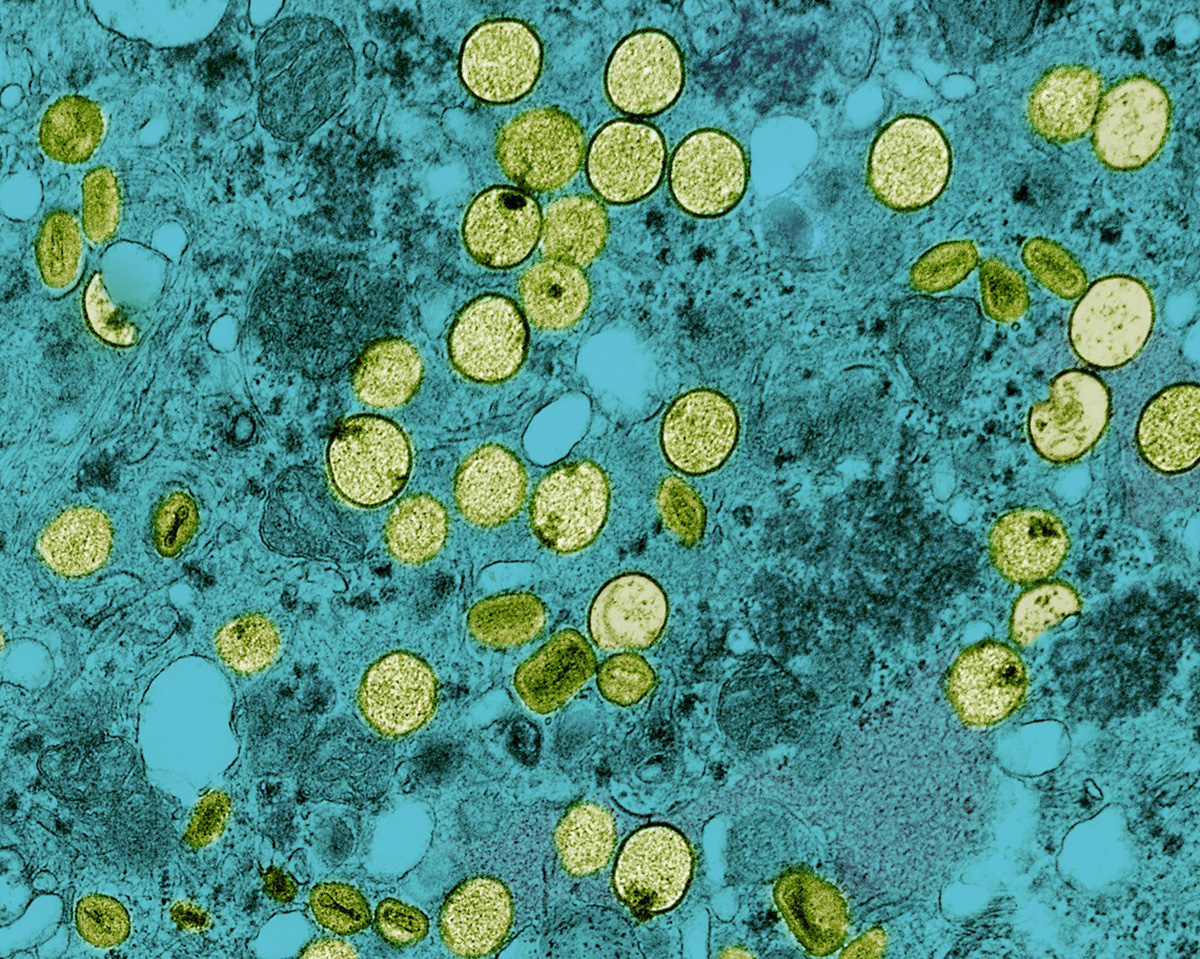
    Colorized Transmission Electron Micrograph of Mpox Virus Particles Found Within VERO E6 Cells
    Colorized transmission electron micrograph of mpox virus particles (light green) found within VERO E6 cells (teal). The virus particles are in various stages of maturity, which accounts for differences in shape. Captured at the NIAID Integrated Research Facility in Fort Detrick, Maryland. Credit: NIAID

    The NIH clinical trial aims to address the knowledge gap regarding vaccine use in adolescent populations.

    A clinical trial funded by the National Institutes of Health (NIH) found that an mpox vaccine was safe for adolescents and produced an antibody response comparable to that seen in adults, according to a planned interim analysis. Adolescents are among the groups affected by the current Clade I mpox outbreak. The interim findings were presented at the IDWeek2024 conference in Los Angeles.

    The first human case of mpox was recorded in 1970 in the Democratic Republic of the Congo (DRC). Two types of the virus that causes mpox have been identified. Clade I is endemic in Central Africa and can cause severe illness. Clade II, endemic in West Africa, caused the global mpox outbreak that began in 2022 and tends to result in milder illness.

    People with compromised immune systems, children, and those who are pregnant are especially vulnerable to severe mpox regardless of the virus clade. A large proportion of people affected in the current Clade I outbreak in the DRC and other African countries are adolescents and children.

    The MVA-BN Vaccine

    The modified vaccinia Ankara-Bavarian Nordic (MVA-BN) vaccine is approved in several countries for the prevention of mpox and smallpox in adults, but insufficient data are available to support licensure for people younger than 18 years.

    NIH’s National Institute of Allergy and Infectious Diseases (NIAID) is sponsoring a mid-stage study in the United States to evaluate the safety and immune response generated by two doses of MVA-BN in adolescents aged 12-17 years, comparing outcomes to those in adults aged 18-50 years. In a planned interim analysis, study investigators measured antibody levels two weeks after the second dose (study day 43) and monitored safety through 180 days after the second dose (study day 210).

    Study Findings

    The analysis showed that the MVA-BN vaccine generated antibody levels in adolescents equivalent to those observed in adults at day 43 and found that the vaccine was well tolerated through study day 210. The overall frequency of adverse events was comparable between the study groups. Reports of dizziness were more common in adolescents than adults, but similar to the frequency of dizziness reported when other vaccines are administered in adolescents.

    According to the study team, the interim data support the safety and quality of the immune response generated by the MVA-BN vaccine in adolescents, findings relevant to the United States and other areas where mpox cases have occurred. The authors underscored the need to evaluate the MVA-BN vaccine in younger children to extend the evidence base to all people affected by mpox.

    NIH is grateful to the research sites and volunteers who participate in studies to improve the mpox response.

    Reference: “Safety and Immunogenicity of Mpox Vaccination in Adolescents” by CM Healy et al, 19 October 2024, IDWeek2024.

    The study was funded by the National Institute of Allergy and Infectious Diseases.

    For more information about this study, please visit ClinicalTrials.gov and use the identifier NCT05512949.

    Never miss a breakthrough: Join the SciTechDaily newsletter.
    Follow us on Google and Google News.

    Monkeypox National Institute of Allergy and Infectious Diseases Public Health Vaccine
    Share. Facebook Twitter Pinterest LinkedIn Email Reddit

    Related Articles

    Monkeypox Vaccines: A Virologist Explains How They Work, Who Can Get Them, and How Well They Prevent Infection

    NIH Launches Clinical Trial To Study Allergic Reactions to COVID-19 mRNA Vaccines

    Additional “Booster” Dose of COVID-19 Vaccine Found Safe, Immunogenic in Mix-and-Match Trial

    COVID Variants Like Omicron and Delta Aren’t the Only Reason NIH Scientists Urge Pursuit of Universal Coronavirus Vaccine

    Is the AstraZeneca COVID-19 Vaccine Safe and Effective? Here Are the Results From a Large Clinical Trial

    U.S. Begins Phase 3 Clinical Trial of COVID-19 Vaccine

    COVID-19 Vaccine Phase 1 Trial Results: Safe, Generates High Levels of Neutralizing Antibodies

    Single Dose of ChAdOx1 nCoV-19 Vaccine Protects Monkeys Against COVID-19 Pneumonia

    Cracking the Code for Hookworm Infestation – Providing New Hope for a Vaccine

    Leave A Reply Cancel Reply

    • Facebook
    • Twitter
    • Pinterest
    • YouTube

    Don't Miss a Discovery

    Subscribe for the Latest in Science & Tech!

    Trending News

    The Universe Is Expanding Too Fast and Scientists Can’t Explain Why

    “Like Liquid Metal”: Scientists Create Strange Shape-Shifting Material

    Early Warning Signals of Esophageal Cancer May Be Hiding in Plain Sight

    Common Blood Pressure Drug Shows Surprising Power Against Deadly Antibiotic-Resistant Superbug

    Scientists Uncover Dangerous Connection Between Serotonin and Heart Valve Disease

    Scientists Discover a “Protector” Protein That Could Help Reverse Hair Loss

    Bone-Strengthening Discovery Could Reverse Osteoporosis

    Scientists Uncover Hidden Trigger Behind Stem Cell Aging

    Follow SciTechDaily
    • Facebook
    • Twitter
    • YouTube
    • Pinterest
    • Newsletter
    • RSS
    SciTech News
    • Biology News
    • Chemistry News
    • Earth News
    • Health News
    • Physics News
    • Science News
    • Space News
    • Technology News
    Recent Posts
    • Scientists Overcome Major Quantum Bottleneck, Potentially Transforming Teleportation and Computing
    • Quantum Physics’ Strangest Problem May Hold the Key to Time Itself
    • Scientists Create “Liquid Gears” That Spin Without Touching
    • The Simple Habit That Could Help Prevent Cancer
    • Forgotten Medicinal Plant Shows Promise in Fighting Dangerous Superbugs
    Copyright © 1998 - 2026 SciTechDaily. All Rights Reserved.
    • Science News
    • About
    • Contact
    • Editorial Board
    • Privacy Policy
    • Terms of Use

    Type above and press Enter to search. Press Esc to cancel.