
Histotripsy appears well tolerated procedurally, but real-world outcomes suggest that choosing the right patients may be just as important as performing the treatment safely.
A patient can undergo treatment for a liver tumor without an incision, avoid a hospital stay, and tolerate the procedure with few immediate complications. But for people with advanced cancer, safely completing the treatment may not mean they will live long enough to benefit from it.
That tension emerged as UVA Health researchers examined real-world outcomes from histotripsy, a noninvasive treatment that uses focused sound waves to destroy tumors in the liver. Among 972 patients treated between 2023 and 2026, the procedure was associated with low rates of laboratory toxicity and procedural complications, but 11% of patients died within 30 days.
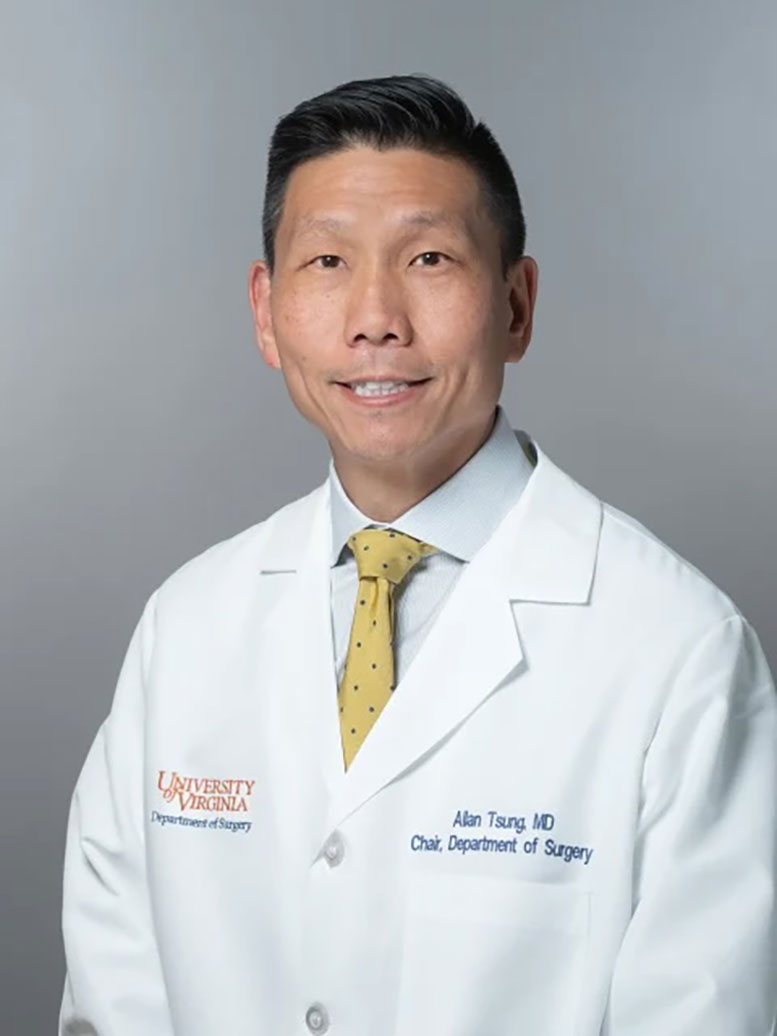
However, the study couldn’t determine whether histotripsy contributed to those deaths. Allan Tsung, MD, a surgical oncologist and chair of UVA Health’s Department of Surgery, said the low rates of procedural toxicity instead suggest that advanced cancer and a high overall disease burden may have played a role.
“What surprised us was the contrast between how well patients tolerated the procedure itself and the number of patients who died within 30 days,” said Tsung. “That does not mean histotripsy caused those deaths. What it does tell us is that we need to better understand which patients are most likely to live long enough and have the right type of cancer to meaningfully benefit from this treatment.”
Sound waves destroy liver tumors
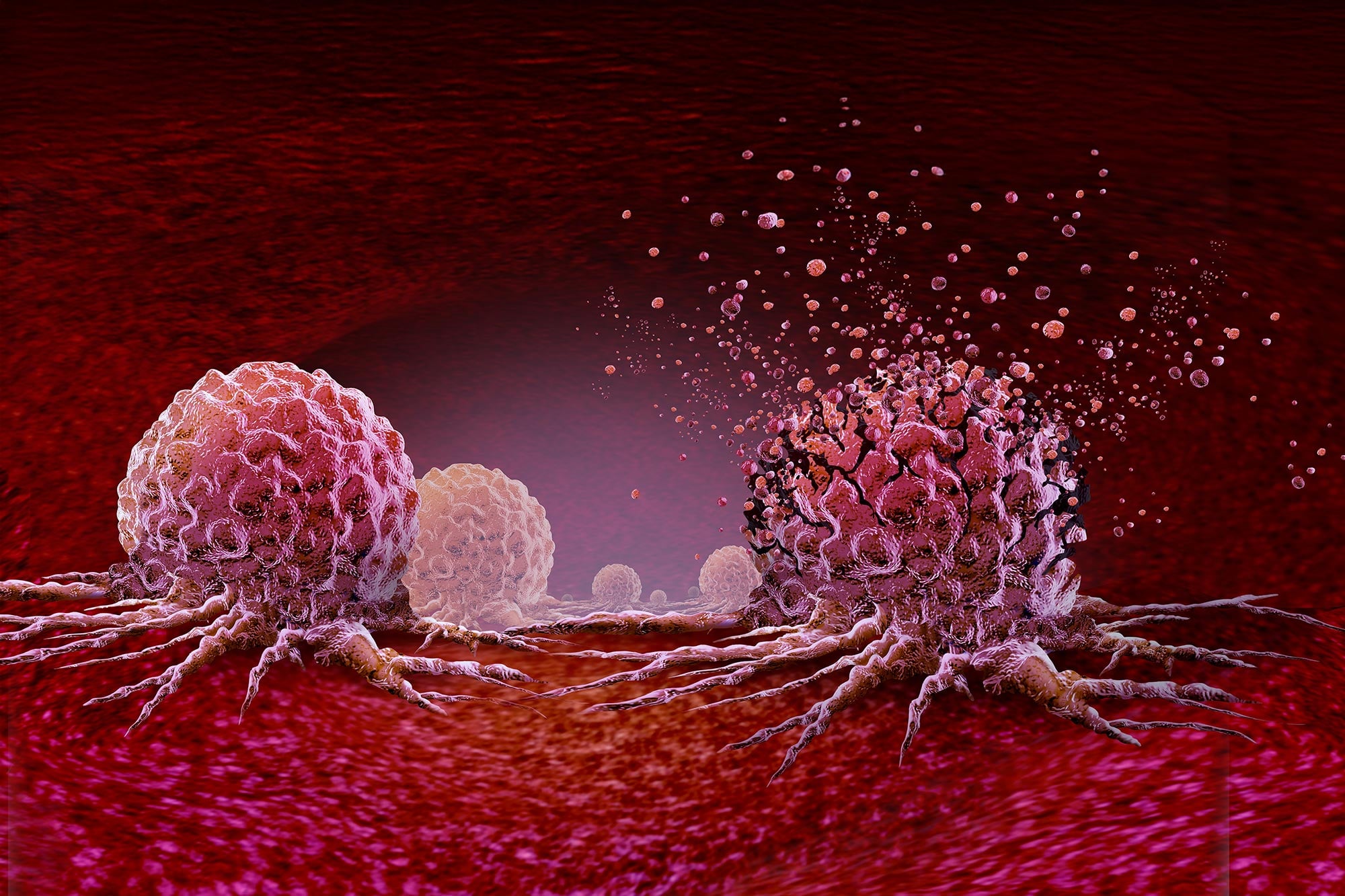
Histotripsy works by directing focused sound waves into diseased liver tissue, where they create air bubbles that can destroy cancer cells. The treatment is typically performed on an outpatient basis, allowing patients to avoid a hospital stay.
Early clinical studies in carefully selected patients found encouraging procedural safety and technical effectiveness, helping lead the U.S. Food and Drug Administration to clear the procedure in 2023. Tsung and his colleagues wanted to know whether those results would hold up once histotripsy moved into broader clinical use.
They reviewed outcomes from the 972 patients, examining survival as well as liver function before and after treatment and the risk of kidney injury. The low levels of laboratory toxicity and procedural complications supported the treatment’s procedural safety, but the 30-day mortality rate raised a different question about patient selection.
Most patients had metastatic cancer
Nearly 70% of the treatments were performed in people whose cancer had spread to the liver from elsewhere in the body. That group included patients with pancreatic cancer, meaning many were already living with advanced metastatic disease rather than cancer confined to the liver.
For patients with limited life expectancy, destroying tumors in the liver may offer little meaningful benefit if cancer elsewhere in the body continues to progress. The researchers therefore argue that the timing of histotripsy deserves careful consideration, especially when advanced disease leaves little time for a localized treatment to improve a patient’s outcome.
“Just because we can perform a treatment safely does not mean it is the right treatment for every patient,” Tsung said. “Histotripsy is a promising technology, and I hope this research helps move the conversation from ‘Can we do it?’ to ‘When should we do it, and for whom?’ Ultimately, our goal is to make sure that innovation translates into meaningful benefit for patients.”
Reference: “Early Outcomes of Histotripsy for Liver Tumors in US Clinical Practice” by Olivia Sears, Elio R. Bitar, Kaelyn C. Cummins, Natalie Blatz, Maclean Cook, Daniel Sheeran and Allan Tsung, 5 August 20206, JAMA Network Open.
DOI: 10.1001/jamanetworkopen.2026.27493
Never miss a breakthrough: Join the SciTechDaily newsletter.
Follow us on Google and Google News.
2 Comments
Unfortunately, due to the orthodox view of oncology, patients who might benefit from new treatments are already wrecked from the ineffective ones.
As a caregiver for a cholangiocarcinoma patient, and knowing how after her treatment she experienced immediate and rapid hyperprogression and metastasis, I would never recommend this procedure to anyone. To make matters worse, there was no follow-up, and we couldn’t even get a response back from the doctors. We have found that there is no way to guarantee that incomplete mechanical fracturing will not occur, and thus it can leave viable, aggressive cancer cells behind, potentially accelerating local or distant spread. That’s what happened to us, and it sounds like it is happening to others. It is also unfortunate that the Cholangiocarcinoma Foundation is a very active promoter of histotripsy, never discussing the very serious outcomes that patients are experiencing.