
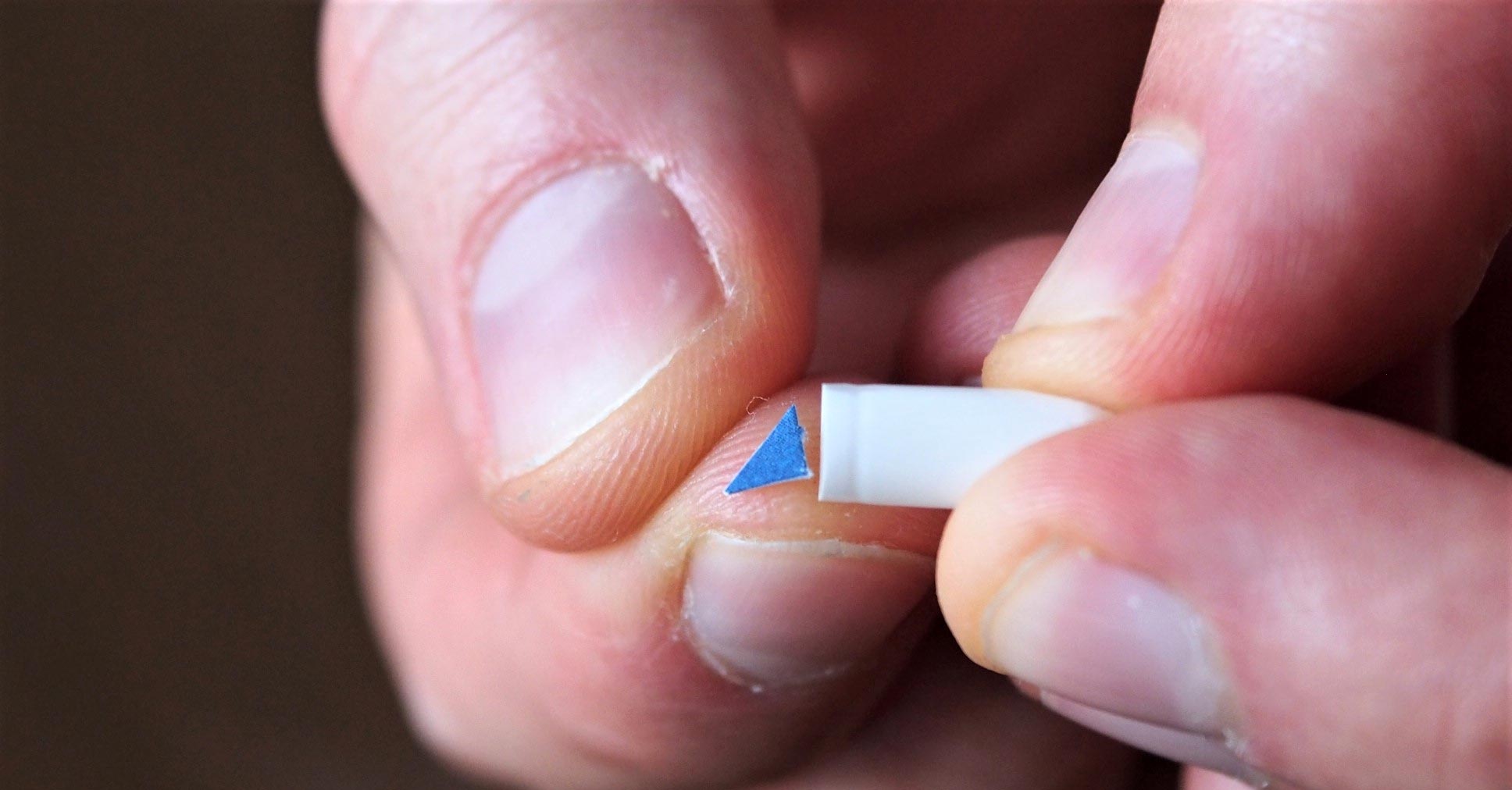
The largest placebo-controlled trial of psychedelics to date suggests that the reported psychological benefits of microdosing are likely explained by the placebo effect.
Positive psychological effects associated with taking small doses of psychedelic drugs are likely the result of users’ expectations, suggests a study published in eLife.
The study – the largest placebo-controlled trial on psychedelics to date – used an innovative ‘self-blinding citizen science’ approach, where members of the public who were already microdosing implemented their own placebo control following online instructions. The results from the trial may influence future studies in real-world settings.
There has been renewed interest in studying whether psychedelic drugs may be a useful treatment for depression, addiction, obsessive-compulsive disorders and other conditions. Few small studies have previously suggested that microdoses – small doses of psychedelic drugs taken one to three times a week – may improve people’s wellbeing, creativity and overall cognitive performance. But many of the studies lack a control group of participants taking a dummy pill to determine if these positive outcomes are the result of the drug’s action, or the result of the participants’ expectations of a benefit – the so-called placebo effect. “Anecdotal reports about the benefits of microdosing are almost certainly biased by the placebo effect,” says lead author Balázs Szigeti, a research associate at Imperial College London, UK.
Szigeti and his colleagues designed a citizen science study where individuals who were already microdosing could participate online. First, the 191 participants followed a setup procedure that mixed placebo pills with microdose ones. After the setup, the participants had a set of capsules without knowing which were placebo and which were microdose. The authors call this process ‘self-blinding’, as participants lost knowledge of which drug they were taking. The setup included barcodes which, when scanned, linked to the study’s IT infrastructure and allowed the researchers to track who had taken microdoses or placebos. The participants then filled out surveys about their experiences and completed online cognitive tests, while they took the pills over a four-week period.
Placebo Matches Psychedelic Benefits
Participants who were taking the real psychoactive drugs and those unknowingly taking the placebos reported similar psychological benefits. “Our results are mixed: on the one hand, we observed microdosing’s benefits in a wide range of psychological measures; on the other hand, equal benefits were seen among participants taking placebos,” Szigeti explains. “These findings suggest that the benefits are not due to the drug, but rather due to the placebo-like expectation effects. Many participants who reported that they experienced positive effects while taking the placebo were shocked to learn after the study that they hadn’t been taking the real drug.”
The authors caution that the results are not as reliable as the results from a traditional placebo-controlled study, due to participants sourcing their drug from the black market. However, the team’s citizen science approach accurately reflects ‘real-life microdosing’ – that is, how microdosing is done in practice. Additionally, the study cost a fraction of what a traditional clinical study would cost, which may make it a useful first step in assessing whether other popular phenomena can be explained by the placebo effect.
“The successful execution of this study could inspire similar studies in a broad range of scientific or medical contexts,” says senior author David Erritzoe, Clinical Senior Lecturer in Psychiatry at Imperial College London. “Accounting for the placebo effect is important when assessing trends such as the use of cannabidiol oils, fad diets or supplements where social pressure or users’ expectations can lead to a strong placebo response. Self-blinding citizen science initiatives could be used as an inexpensive, initial screening tool before launching expensive clinical studies.”
Reference: “Self-blinding citizen science to explore psychedelic microdosing” by Balázs Szigeti, Laura Kartner, Allan Blemings, Fernando Rosas, Amanda Feilding, David J Nutt, Robin L Carhart-Harris and David Erritzoe, 2 March 2021, eLife.
DOI: 10.7554/eLife.62878
Never miss a breakthrough: Join the SciTechDaily newsletter.
Follow us on Google and Google News.
2 Comments
Sᴛᴀʀᴛ ᴡᴏʀᴋɪɴɢ ғʀᴏᴍ ʜᴏᴍᴇ! Gʀᴇᴀᴛ ᴊᴏʙ ғᴏʀ Ever, sᴛᴀʏ-ᴀᴛ-ʜᴏᴍᴇ ᴍᴏᴍs ᴏʀ ᴀɴʏᴏɴᴇ ɴᴇᴇᴅɪɴɢ ᴀɴ ᴇxᴛʀᴀ ɪɴᴄᴏᴍᴇ… Yᴏᴜ ᴏɴʟʏ ɴᴇᴇᴅ ᴀ ᴄᴏᴍᴘᴜᴛᴇʀ ᴀɴᴅ ᴀ ʀᴇʟɪᴀʙʟᴇ ɪɴᴛᴇʀɴᴇᴛ ᴄᴏɴɴᴇᴄᴛɪᴏɴ… Mᴀᴋᴇ $100 ʜᴏᴜʀʟʏ ᴀɴᴅ ᴜᴘ ᴛᴏ $13k ᴀ ᴍᴏɴᴛʜ ʙʏ ғᴏʟʟᴏᴡɪɴɢ connection ᴀᴛ ᴛʜᴇ ʙᴏᴛᴛᴏᴍ .Yᴏᴜ ᴄᴀɴ ʜᴀᴠᴇ ʏᴏᴜʀ ғɪʀsᴛ ᴄʜᴇᴄᴋ ʙʏ ᴛʜᴇ ᴇɴᴅ ᴏғ ᴛʜɪs ᴡᴇᴇᴋ. ᴊᴏɪɴ ᴛʜɪꜱ ᴊᴏʙ ᴀɴᴅ ᴍᴀᴋᴇ ᴇxᴛʀᴀ ɪɴᴄᴏᴍᴇ ɪɴ ᴘᴀʀᴛ ᴛɪᴍᴇ ʙʏ ꜰᴏʟʟᴏᴡ ᴛʜɪꜱ ʟɪɴᴋ———–► 𝐖𝐰𝐰.𝐄𝐱𝐭𝐫𝐚𝐑𝐢𝐜𝐡𝟏.𝐜𝐨𝐦
the authors of this study will be amused to learn that Australian researchers recently declared the placebo effect to be a “myth.”