
Close Menu
    Facebook X (Twitter) Instagram
    SciTechDaily
    • Biology
    • Chemistry
    • Earth
    • Health
    • Physics
    • Science
    • Space
    • Technology
    Facebook X (Twitter) Pinterest YouTube RSS
    SciTechDaily
    Home»Biology»Pleistocene-Era Plant Revived from Siberian Permafrost
    Biology

    Pleistocene-Era Plant Revived from Siberian Permafrost

    By SciTechDailyFebruary 21, 20123 Comments2 Mins Read
    Facebook Twitter Pinterest Telegram LinkedIn WhatsApp Email Reddit
    Share
    Facebook Twitter LinkedIn Pinterest Telegram Email Reddit
    Silene_stenophylla
    Silene stenophylla

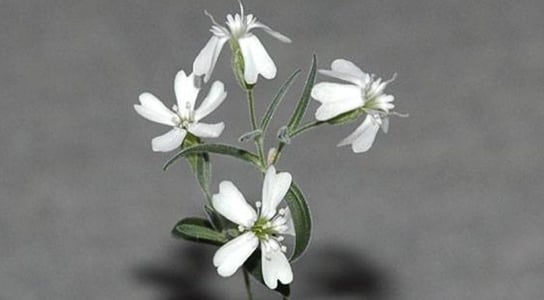
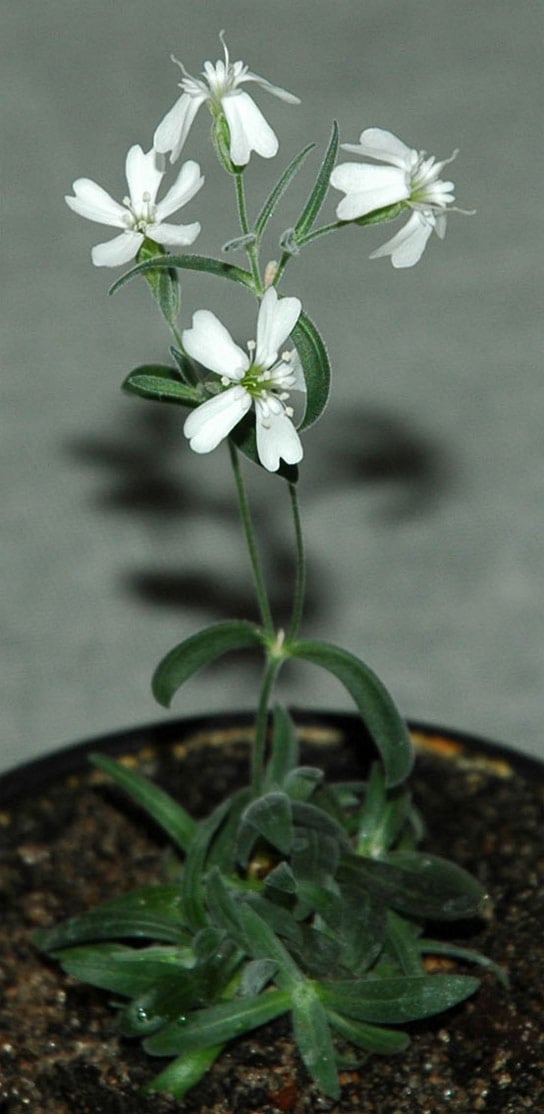
    A team of scientists claims that they’ve revived a plant from the Pleistocene era, which lived 32,000 to 28,000 years ago. Silene stenophylla was revived after it had been ingested by an arctic ground squirrel roughly 32,000 years ago.

    The seeds from the herbaceous Silene stenophylla have been regenerated into full flowering plants in Russia, the new study revealed. Svetlana Yashina and David Gilichinsky of the Russian Academy of Sciences will publish their findings in the journal PNAS shortly. This could be a landmark finding in paleobotany.
    silene_stenophylla-smallThe Siberian permafrost could have a pool of ancient genetic life, which could be preserved and hypothetically revived. This is by far the oldest plant that has ever been grown from ancient tissue. The previous record was grown from a 2,000-year-old date palm seed gathered in the Masada fortress, near the Dead Sea in Israel.

    Radiocarbon dating has confirmed that the seeds date from 31,800 years ago. The discovery of 70 squirrel hibernation burrows along the bank of the lower Kolyma river, in northeast Siberia, led to thousands of seed samples from various plants. The burrows were found at a depth of 20 to 40 meters, which contained remains of large mammals such as mammoths.

    Scientists were able to regrow new specimens from old plant material because the burrows were quickly covered with ice, and have remained continually frozen ever since, which prevented any permafrost degradation.

    Unfortunately, Glichinsky died of a heart attack last Saturday.

    Reference: “Regeneration of whole fertile plants from 30,000-y-old fruit tissue buried in Siberian permafrost” by Svetlana Yashina, Stanislav Gubin, Stanislav Maksimovich, Alexandra Yashina, Edith Gakhova and David Gilichinsky, 21 February 2012, Proceedings of the National Academy of Sciences.
    DOI: 10.1073/pnas.1118386109
    Silene-stenophylla-big

    Never miss a breakthrough: Join the SciTechDaily newsletter.
    Follow us on Google and Google News.

    Cryology Paleobotany Plants Pleistocene Silene Stenophylla Svetlana Yashina
    Share. Facebook Twitter Pinterest LinkedIn Email Reddit

    Related Articles

    Leaf Vein Architecture Allows Predictions of Past Climate

    Increased Number of Plant Species Responding to Global Warming

    “Map of Life” to Illustrate All Living Things Geographically

    DNA Jumps Directly From the Cell’s Chloroplasts Into Its Nucleus

    Complete Structure of the “Salvia Receptor” Revealed

    Scientists Reconstruct Ancient Permian Ecosystem from Ash-Covered Plants

    Researcher Studies Root Growth to Develop Hardier, Weather-resistant Crops

    Researchers Discover Chloroplast Genomes Transfer from Plant to Plant

    Mesodinium Chamaeleon Is A Unique Life Form That is Half Plant Half Animal

    3 Comments

    1. RA Patterson on October 11, 2022 7:26 pm

      It’s here. Only question what will survive. Not us. any animal.

      Reply
    2. Monty Shipley on November 7, 2022 3:51 pm

      Silene? Looks closer to Dianthus to me, just from stem and leaf structure.

      Reply
    3. Claire Ossenbeck on January 10, 2023 1:29 am

      Yes it does look like a Dianthus, which is in the same family, commonly called the pinks, or carnations.

      Reply
    Leave A Reply Cancel Reply

    • Facebook
    • Twitter
    • Pinterest
    • YouTube

    Don't Miss a Discovery

    Subscribe for the Latest in Science & Tech!

    Trending News

    Popular Vitamin B3 Supplements May Help Cancer Cells Survive, Scientists Warn

    Scientists Discover Strange Property of Rice and Turn It Into a Smart Material

    NASA Artemis II Skips Burn As Astronaut Captures Stunning View of Earth

    NASA’s Artemis II: Humans Just Left Earth Orbit for the First Time Since 1972

    What Causes Chronic Pain? Scientists Identify Key Culprit in the Brain

    Semaglutide Shows Surprising Mental Health Benefits in Massive 100,000-Person Study

    This Liquid Snapped Instead of Flowing and Scientists Were Shocked

    Breakthrough Alzheimer’s Drug Rewires the Brain Instead of Just Clearing Plaques

    Follow SciTechDaily
    • Facebook
    • Twitter
    • YouTube
    • Pinterest
    • Newsletter
    • RSS
    SciTech News
    • Biology News
    • Chemistry News
    • Earth News
    • Health News
    • Physics News
    • Science News
    • Space News
    • Technology News
    Recent Posts
    • Scientists Uncover the Secret “Glue” That Helps Soil Hold Water
    • Climate Change Is Altering a Key Greenhouse Gas in a Way Scientists Didn’t Expect
    • Why Antarctic Sea Ice Suddenly Collapsed After Decades of Growth
    • Astronomers Discover the Most Pristine Star Ever Found
    • New Study Suggests Gravitational Waves May Have Created Dark Matter
    Copyright © 1998 - 2026 SciTechDaily. All Rights Reserved.
    • Science News
    • About
    • Contact
    • Editorial Board
    • Privacy Policy
    • Terms of Use

    Type above and press Enter to search. Press Esc to cancel.