
Close Menu
    Facebook X (Twitter) Instagram
    SciTechDaily
    • Biology
    • Chemistry
    • Earth
    • Health
    • Physics
    • Science
    • Space
    • Technology
    Facebook X (Twitter) Pinterest YouTube RSS
    SciTechDaily
    Home»Science»“Problematic Stuff” – Tradition of Keeping Mementos in Memory of Loved Ones Goes Back at Least 2,000 Years
    Science

    “Problematic Stuff” – Tradition of Keeping Mementos in Memory of Loved Ones Goes Back at Least 2,000 Years

    By University of YorkJune 30, 2021No Comments3 Mins Read
    Facebook Twitter Pinterest Telegram LinkedIn WhatsApp Email Reddit
    Share
    Facebook Twitter LinkedIn Pinterest Telegram Email Reddit
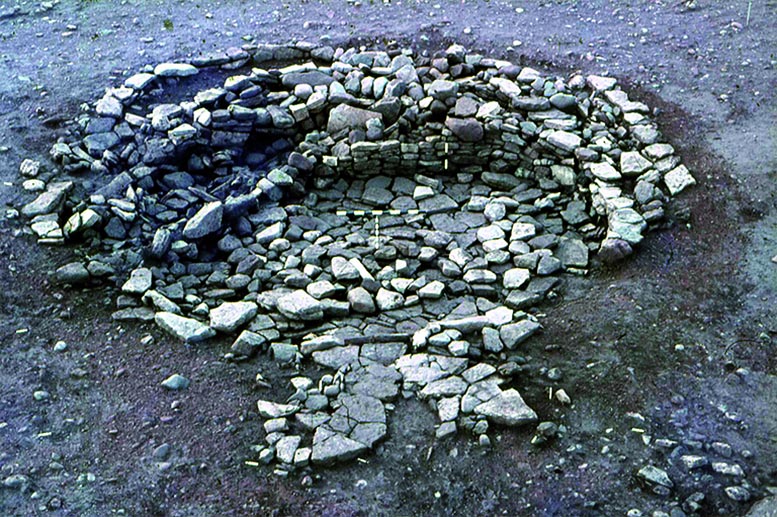
    Iron Age Roundhouse in NE Scotland
    Objects including bone spoons, quernstones, and gaming pieces were incorporated into the walls of this Iron Age roundhouse at Broxmouth in NE Scotland. Credit: Broxmouth Project archive

    Holding onto everyday items as keepsakes when a loved one dies was as commonplace in prehistory as it is today, a new study suggests.

    The study from the University of York suggests mundane items like spoons and grinding stones were kept by Iron Age people as an emotional reminder and a ‘continuing bond’ with the deceased – a practice which is replicated in societies across the globe today.

    The research focused on “problematic stuff”: everyday items used or owned by a deceased person that relatives might not want to reuse but which they are unable to simply throw away. 

    At the Scottish hillfort settlement of Broxmouth, dating from 640BC to AD210, everyday items like quernstones, used for grinding grain, and bone spoons found between roundhouse walls could have been placed there by loved ones as a means of maintaining a connection with the person who had died.

    Emotional Power

    The study compared this with contemporary examples of similar behavior, with the retention of relatives’ clothing or worn-out shoes being particularly recurrent themes.

    Dr. Lindsey Büster from the Department of Archaeology said: “It is important to recognize the raw emotional power that everyday objects can acquire at certain times and places.

    “Archaeologists have tended to focus on the high material value or the quantity of objects recovered and have interpreted these as deposited for safe keeping or gifts to the gods. 

     “My work uses archaeology to open up discussions around death, dying and bereavement in contemporary society, demonstrating that even the most mundane objects can take on special significance if they become tangible reminders of loved ones no longer physically with us.”

    Disposal

    The paper demonstrates that in many societies, everyday items might well be included in the grave with the dead. Traditional interpretations of grave goods have often seen them as necessary for accompanying the dead to the afterlife, but the easy disposal of “problematic stuff” — that is objects not needed or desired by living relatives but not appropriate for throwing out onto the rubbish heap — is another possible explanation.

    Dr. Büster added: “Archaeologists tend to caution against the transplanting of modern emotions onto past societies but I suggest that the universality of certain emotions does allow for the extrapolation of modern experiences onto the past, even if the specifics vary. 

    “I consider the experience of grief and bereavement to be one such emotion, even if the ways in which this was processed and navigated varies between individuals and societies.  This research helps bring us a little closer to past individuals whose experience of life (and death), was in some ways, not so different from our own.”

    Reference: “‘Problematic stuff’: death, memory and the interpretation of cached objects” by Lindsey Büster, 22 June 2021, Antiquity.
    DOI: 10.15184/aqy.2021.81

    Never miss a breakthrough: Join the SciTechDaily newsletter.
    Follow us on Google and Google News.

    Anthropology Archaeology Behavioral Science Death University of York
    Share. Facebook Twitter Pinterest LinkedIn Email Reddit

    Related Articles

    Archaeologists Shatter “Man the Hunter” Myth at Stone Age Burial Site

    11,000-Year-Old Housekeeping: New Study Reveals That Hunter-Gatherer Homes Were Surprisingly Organized

    Powerful Plants of the Past: European Ancestors Ate Seaweed for Thousands of Years

    Ancient DNA Analysis Reveals Large Scale Migrations Into Bronze Age Britain

    Archaeologists Uncover Evidence From Monumental Tombs of Domesticated Dogs in Ancient Arabian Peninsula

    When Good Governments Go Bad: History Shows That Societies Collapse When Leaders Undermine Social Contracts

    Archaeologists Discover One of the Earliest Examples of a ‘Crayon’

    New Research Reveals Easter Island Had a Cooperative Community

    Researchers Discover Oldest Images to Date of Dogs on Leashes

    Leave A Reply Cancel Reply

    • Facebook
    • Twitter
    • Pinterest
    • YouTube

    Don't Miss a Discovery

    Subscribe for the Latest in Science & Tech!

    Trending News

    Monster Storms on Jupiter Unleash Lightning Beyond Anything on Earth

    Scientists Create “Liquid Gears” That Spin Without Touching

    The Simple Habit That Could Help Prevent Cancer

    Millions Take These IBS Drugs, But a New Study Finds Serious Risks

    Scientists Unlock Hidden Secrets of 2,300-Year-Old Mummies Using Cutting-Edge CT Scanner

    Bread Might Be Making You Gain Weight Even Without Eating More Calories

    Scientists Discover Massive Magma Reservoir Beneath Tuscany

    Europe’s Most Active Volcano Just Got Stranger – Here’s Why Scientists Are Rethinking It

    Follow SciTechDaily
    • Facebook
    • Twitter
    • YouTube
    • Pinterest
    • Newsletter
    • RSS
    SciTech News
    • Biology News
    • Chemistry News
    • Earth News
    • Health News
    • Physics News
    • Science News
    • Space News
    • Technology News
    Recent Posts
    • Scientists Were Wrong About This Strange “Rule-Breaking” Particle
    • Webb Space Telescope Uncovers Unexpected Ice Clouds on a Jupiter-Like World
    • 289-Million-Year-Old Reptile Mummy Reveals Origin of Human Breathing System
    • New Brain Discovery Challenges Long-Held Theory of Teenage Brain Development
    • Sharks Are Overheating as Warming Oceans Push Them to the Edge
    Copyright © 1998 - 2026 SciTechDaily. All Rights Reserved.
    • Science News
    • About
    • Contact
    • Editorial Board
    • Privacy Policy
    • Terms of Use

    Type above and press Enter to search. Press Esc to cancel.