
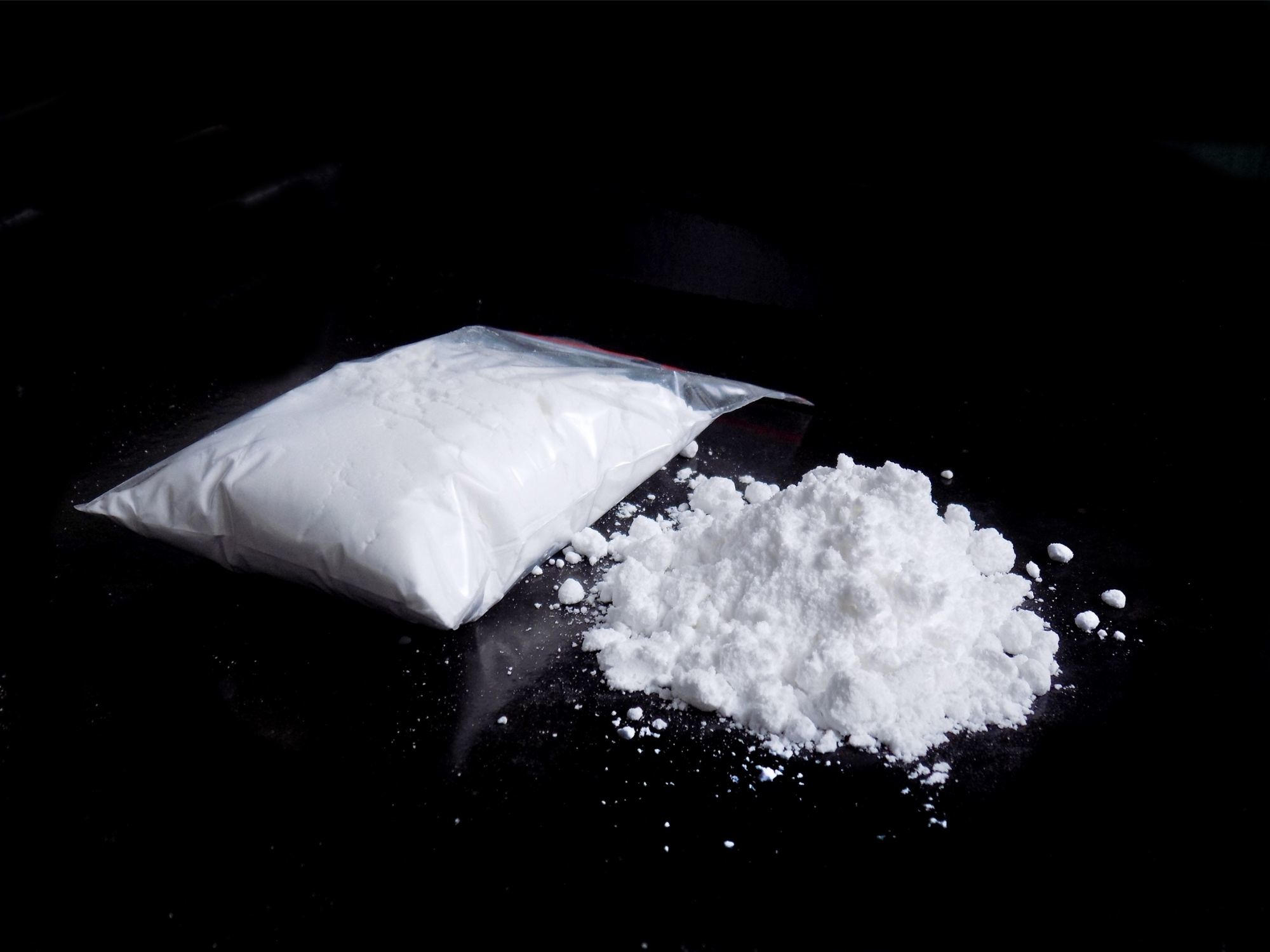
Recreational ketamine use has increased sharply since 2015, with higher rates among educated adults and those aged 26-34. Polydrug use is a major factor, and researchers urge expanded prevention efforts, education on drug risks, and continued monitoring to balance the therapeutic and recreational impacts of ketamine.
A recent analysis of data from the National Survey on Drug Use and Health (NSDUH) reveals a sharp rise in past-year recreational ketamine use among adults since 2015. The study also highlights significant changes in the patterns of use, including its associations with depression and sociodemographic factors like race, age, and education level.
While ketamine has shown promise in clinical trials as a treatment for mental health conditions such as treatment-resistant depression, the findings underscore the need for careful monitoring of recreational use trends. Such oversight is essential to maximize the therapeutic potential of ketamine while minimizing the risks associated with unregulated recreational use.
Key Findings on Usage Patterns
- Overall past-year recreational ketamine use increased by 81.8% from 2015 to 2019 and by 40% from 2021 to 2022.
- Adults with depression were 80% more likely to have used ketamine in the past year in 2015-2019, but this association weakened in later years. In 2021-2022, ketamine use increased only among those without depression.
- In 2021-2022, adults aged 26-34 were 66% more likely to have used ketamine in the past year compared to adults aged 18-25. Those with college degrees were more than twice as likely to have used ketamine compared to people with a high school education or less.
- People were more likely to use ketamine if they used other substances, such as ecstasy/MDMA, GHB, and cocaine.
The researchers recommend expanding prevention outreach to settings like colleges, where younger adults may be at heightened risk, as well as providing education on the harms of polydrug use, particularly in combination with opioids. As medical ketamine becomes more widely available, they also emphasize the need for continued surveillance of recreational ketamine use patterns and further research to understand the factors that contribute to ketamine use.
Reference: “Trends and characteristics in ketamine use among US adults with and without depression, 2015–2022” by Kevin H. Yang, Wayne Kepner, Charles M. Cleland and Joseph J. Palamar, 31 December 2024, Journal of Affective Disorders.
DOI: 10.1016/j.jad.2024.12.108
The research was supported by the National Institute on Drug Abuse of the National Institutes of Health.
Never miss a breakthrough: Join the SciTechDaily newsletter.
Follow us on Google and Google News.