

Research illustrates how both genetic and environmental disruption of the circadian clock can drive colorectal cancer progression.
In a new study, scientists define how the circadian clock influences cell growth, metabolism, and tumor progression. Their research also reveals how disruption of the circadian clock impacts genome stability and mutations that can further drive critical tumor-promoting pathways in the intestine.
The study was led by the University of California, Irvine. It is titled, “Disruption of the Circadian Clock drives Apc Loss of Heterozygosity to Accelerate Colorectal Cancer,” was published on August 10, 2022, in Science Advances.
APC Mutations and the Role of Circadian Clock Disruption
In this study, investigators discovered that both genetic disruption and environmental disruption of the circadian clock contribute to the mutation of the adenomatous polyposis coli (APC) tumor suppressor, which is found in the vast majority of human colorectal cancers (CRC). APC point mutations, deletions, and loss of heterozygosity (LOH) events have been reported in ~80 percent of human CRC cases, and it is these mutations that drive the initiation of intestinal adenoma development.
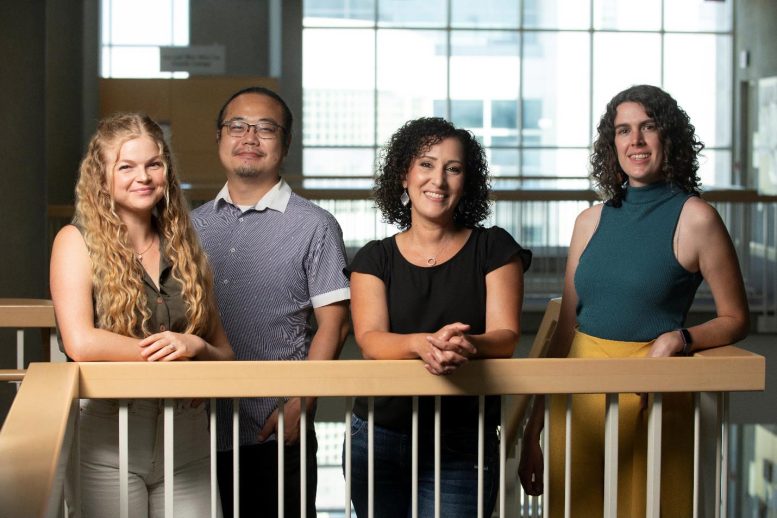
“As a society, we are exposed to several environmental factors that influence our biological clock, including night shift work, extended light exposure, changes in sleep/wake cycles, and altered feeding behavior,” said Selma Masri, PhD. Masri is an assistant professor of biological chemistry at UCI School of Medicine. “Strikingly, we have seen an alarming increase in several young-onset cancers, including colorectal cancer. The underlying cause of this increased incidence of cancer in adults in their 20s and 30s remains undefined. However, based on our findings, we now believe that disruption of the circadian clock plays an important role.”
According to the National Institutes of Health (NIH), there has been an alarming rise in early-onset colorectal cancer among young people. Today, nearly 10 percent of CRC cases are now diagnosed in people that are younger than 50 years old, and this trend is on a steady rise. Suspected risk factors include environmental aspects, such as lifestyle and dietary factors, which are known to affect the circadian clock.
Circadian Clock Disruption and Genomic Instability
APC mutations are also associated with second hits in key oncogenic pathways, including Kras, Braf, p53, and Smad4. These mutations drive progression to adenocarcinoma, collectively contributing to disease progression. Our findings now implicate circadian clock disruption in driving additional genomic mutations that are critical for accelerating colorectal cancer.
The circadian clock is an internal biological pacemaker that governs numerous physiological processes. Research in the Masri Lab is primarily focused on how disruption of the circadian clock is involved in the development and progression of certain cancer types. Researchers in the Masri Lab are actively pursuing further research aimed at defining how the circadian clock impacts other cancer types.
Reference: “Disruption of the circadian clock drives Apc loss of heterozygosity to accelerate colorectal cancer” by Sung Kook Chun, Bridget M. Fortin, Rachel C. Fellows, Amber N. Habowski, Amandine Verlande, Wei A. Song, Alisa L. Mahieu, Austin E. Y. T. Lefebvre, Jason N. Sterrenberg, Leandro M. Velez, Michelle A. Digman, Robert A. Edwards, Nicholas R. Pannunzio, Marcus M. Seldin, Marian L. Waterman and Selma Masri, 10 August 2022, Science Advances.
DOI: 10.1126/sciadv.abo2389
Financial support for this study was provided by the National Institutes of Health/National Cancer Institute, the Concern Foundation, the V Foundation for Cancer Research, the Care Research Coordinating Committee, Johnson and Johnson, and the UCI Chao Family Comprehensive Cancer Center’s Anti-Cancer Challenge.
Never miss a breakthrough: Join the SciTechDaily newsletter.
Follow us on Google and Google News.