
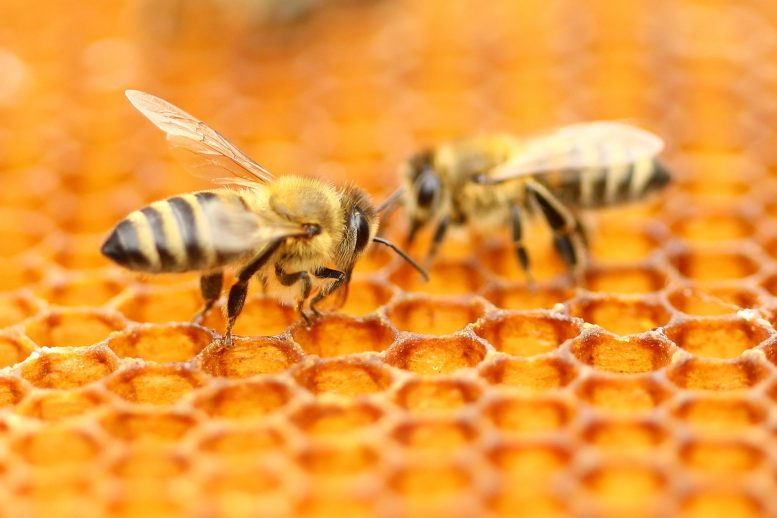
Australia has at least seven Leptospermum species that produce honey with exceptionally high levels of antibacterial activity.
Australian honey is abuzz with high-value antibacterial activity, meaning it could play a pivotal role in the clinical prevention and management of infections.
Australia has at least seven Leptospermum species that produce honey with exceptionally high levels of antibacterial activity, providing the scientific basis to facilitate the entry of Australian honey producers into premium medicinal markets.
That’s according to a new report led by University of Technology Sydney (UTS) Professor Liz Harry, in conjunction with researchers from the University of Sydney and the University of the Sunshine Coast.
Funded by the AgriFutures™ Honey Bee & Pollination Program, Professor Harry, Director of the UTS ithree institute, and the collaborative research team tested more than 5000 honey samples and 2000 nectar samples, covering more than 50 species of Leptospermum.
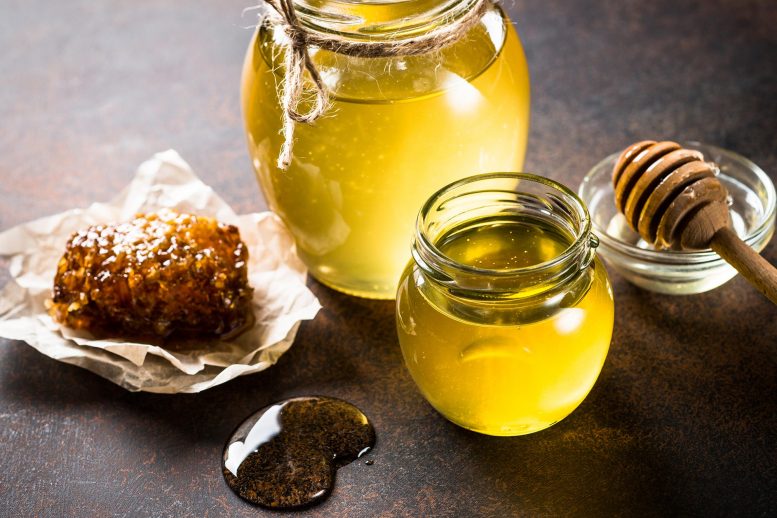
Praised for its antibacterial and healing properties, medical-grade honey sourced from Leptospermum plants has become a modern treatment for wounds and skin infections.
The research puts Australian honey producers on the world stage, positioning them as a leading and potentially abundant source of medical grade and high-value Leptospermum honey. — Dr. Nural Coketin, The ithree Institute
The latest study found at least seven Australian Leptospermum species produced medical-grade honey with exceptionally high antibacterial activity and many other Leptospermum species that produced honey with therapeutically beneficial activity, as well as others that would fall under high-value premium table honey.
UTS Research Associate Dr. Nural Cokcetin said the research pinpointed several Australian regions, such as south-east Queensland, northern New South Wales, and western Tasmania, as ‘hot spots’ to yield these high-value honey.
“Australia has 84 of the 87 species of Leptospermum. Yet before this study, the antimicrobial activity of our Leptospermum species was almost unknown, both locally and globally,” said Dr. Cokcetin.
“The research puts Australian honey producers on the world stage, positioning them as a leading and potentially abundant source of medical grade and high-value Leptospermum honey.”
The report found that specific chemical components relating to the antibacterial activity of several Australian Leptospermum honey were similar to that of its Manuka counterpart in New Zealand. It also discovered that appropriate storage conditions of Australian Leptospermum honey were vital to reach its full potential, and outlined key differences between anti-fungal and antibacterial traits.
AgriFutures™ Honey Bee & Pollination Manager, Research Annelies McGaw said the latest research was an important step in enhancing the worth and profitability of Australian honey.
“The research provides scientific evidence to support marketing claims that enable Australian honey producers to gain access to premium therapeutic-based markets,” said Ms. McGaw. “Its findings are an important tool to help build the sustainability of Australia’s beekeeping industry. It also presents a stimulus for diversification of commercial honey production in Australia.”
Ms. McGaw said the research team had communicated findings extensively and generated significant interest from members in the beekeeping industry, as well as in scientific and medical fields.
“The report shows that Australian honey could play a pivotal role in the clinical prevention and management of health conditions, such as skin and wound infections,” said Ms. McGaw.
“More broadly, it provides key recommendations to further advance the value of Australian honey and make it easier for beekeepers, consumers, and the medical community to understand its importance.”
Reference: “Active Australian Leptospermum Honey: New sources and their bioactivity” by Nural Cokcetin, Simon Williams, Shona Blair, Dee Carter, Peter Brooks and Liz Harry, October 2019, AgriFutures.
Never miss a breakthrough: Join the SciTechDaily newsletter.
Follow us on Google and Google News.