
Close Menu
    Facebook X (Twitter) Instagram
    SciTechDaily
    • Biology
    • Chemistry
    • Earth
    • Health
    • Physics
    • Science
    • Space
    • Technology
    Facebook X (Twitter) Pinterest YouTube RSS
    SciTechDaily
    Home»Science»Entomologists Recreate Colony Collapse Disorder That Affects Bee Populations Worldwide
    Science

    Entomologists Recreate Colony Collapse Disorder That Affects Bee Populations Worldwide

    By SciTechDailyApril 9, 20123 Comments2 Mins Read
    Facebook Twitter Pinterest Telegram LinkedIn WhatsApp Email Reddit
    Share
    Facebook Twitter LinkedIn Pinterest Telegram Email Reddit
    honeybee-hive
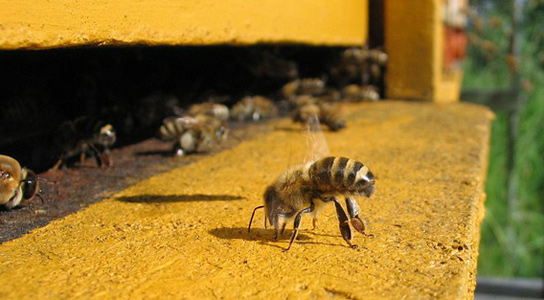
    New studies have linked Colony Collapse Disorder, which affects bee populations worldwide, to neonicotinoid pesticides.

    At the Harvard School of Public Health (HSPH), scientists have been trying to recreate the mysterious Colony Collapse Disorder that has been affecting bee populations worldwide. CCD is yet largely unexplained and millions of bees were lost in recent years. Bees are a very important part of the pollination process in crops worldwide.

    Two new studies published last week in the journal Science link Colony Collapse Disorder to neonicotinoid pesticide. They started by giving honeybee hives small doses of the pesticide imidacloprid, which is a neonicotinoid. Neonicotinoids have now been proven to be the major player behind the CCD, not disease or mites.
    bee-keeper-hive

    Neonicotinoid pesticides target insects’ central nervous system, but do not instantly kill bees. Apis mellifera, the western honeybee, was tested with small amounts of these pesticides and after 23 weeks, 15 of the 16 hives treated with imidacloprid underwent CCD.

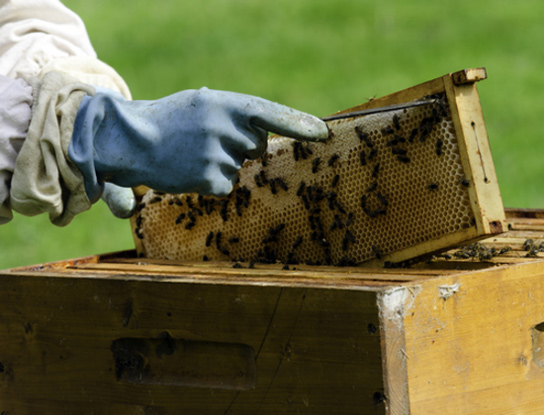
    Neonicotinoids put huge stress on the survival of honeybees in the environment, states lead author Chensheng Lu, associate professor at the HSPH, and imidacloprid is the likely culprit of CCD. The mechanism of delivery of this pesticide is linked to high-fructose corn syrup that bee-keepers have been using to feed their bees. US corn has been sprayed with imidacloprid since 2004. A year later, there was the first outbreak of CCD.

    Relatively small amounts of imidaclorpid, 20 parts per billion, are enough to lead a hive to CCD within 6 months. Buff-tailed bumblebees (Bombus terrestris) were exposed to imidacloprid by a UK team. Within 6 weeks, the affected colonies were 8-12 percent smaller and had 85% fewer queens.

    Another study from France showed how neonicotinoid pesticides eventually lead to CCD. Neonicotinoid pesticides weaken the bees’ homing abilities, allowing them to get lost and perish instead of returning to the hive. This explains why most hives were found empty of worker bees.

    Never miss a breakthrough: Join the SciTechDaily newsletter.
    Follow us on Google and Google News.

    Bees Colony Collapse Disorder Entomology Pesticide Popular
    Share. Facebook Twitter Pinterest LinkedIn Email Reddit

    Related Articles

    Genetic Factor? Honey Bee Life Spans 50% Shorter Now Compared to 50 Years Ago

    See and Hear a Giant “Murder” Hornet Attack on a Beehive

    Deadly Virus Turns Honey Bees Into Trojan Horses, Rapidly Spreading the Infection to Healthy Hives

    Honeybees Are Accomplished Mathematicians

    New Fossil Discovery Highlights Canada-Russia Connection 53 Million Years Ago

    Common Pesticides Are Severely Affecting Bees

    Aphids Use Rudimentary Sunlight Harvesting Similar to Photosynthesis

    Imidacloprid, A Major Factor in Colony Collapse Disorder

    Parasitic Fly Could Be Responsible For Disappearing Honeybees

    3 Comments

    1. Herb Neu on April 10, 2012 9:19 am

      I am surprised that you did not name the manufacturer(s) of neonicotinoid pesticides. One that I know of is Bayer. If they were responsible corporate citizens they would immediately pull this disastrous pesticide from the world market. They are big enough to take this profitable product off the market without feeling much, if any, pain. They would engender great public relations benefits by taking such action.

      Reply
      • Michael Peterson on April 13, 2012 7:22 am

        Herb Monsanto …. perhaps no names were mention because politically it’s a hot potato.

        Reply
    2. c s on April 22, 2012 7:58 pm

      Unfortunately all sorts of man made chemicals have been dumped into environment and their effects upon life is unknown and perhaps unknowable. Basically the environments is undergoing an experiment without limit. If such a small amount of chemicals can so much damage to bees, what kind of damage is being done to other living things including humans. Children; especially young children are much more sensitive to chemicals because their bodies are rapidly growing. I fear for the coming generations. Humans will eventually pay for what it being done to environment.

      Reply
    Leave A Reply Cancel Reply

    • Facebook
    • Twitter
    • Pinterest
    • YouTube

    Don't Miss a Discovery

    Subscribe for the Latest in Science & Tech!

    Trending News

    Scientists Discover Stem Cells That Could Regrow Teeth and Bone

    Early Cannabis Use May Stall Key Brain Skills in Teens

    Popular Vitamin D Supplement Has “Previously Unknown” Negative Effect, Study Finds

    Study Reveals Malaria’s Hidden Role in Human Evolution

    The Hidden Risk of Taking Breaks From Weight-Loss Drugs Like Ozempic

    Scientists Warn That This Common Pet Fish Can Wreck Entire Ecosystems

    Scientists Make Breakthrough in Turning Plastic Trash Into Clean Fuel Using Sunlight

    This Popular Supplement May Interfere With Cancer Treatment, Scientists Warn

    Follow SciTechDaily
    • Facebook
    • Twitter
    • YouTube
    • Pinterest
    • Newsletter
    • RSS
    SciTech News
    • Biology News
    • Chemistry News
    • Earth News
    • Health News
    • Physics News
    • Science News
    • Space News
    • Technology News
    Recent Posts
    • This Tiny Creature Survived a World of Dinosaurs and Changed What Came Next
    • Millions of People Have Osteopenia Without Realizing It – Here’s What You Need To Know
    • Researchers Discover Boosting a Single Protein Helps the Brain Fight Alzheimer’s
    • AI Detects “Invisible” Signs of Pancreatic Cancer Years Before Diagnosis
    • Kratom Use Explodes in the US, With Life-Changing Consequences
    Copyright © 1998 - 2026 SciTechDaily. All Rights Reserved.
    • Science News
    • About
    • Contact
    • Editorial Board
    • Privacy Policy
    • Terms of Use

    Type above and press Enter to search. Press Esc to cancel.