
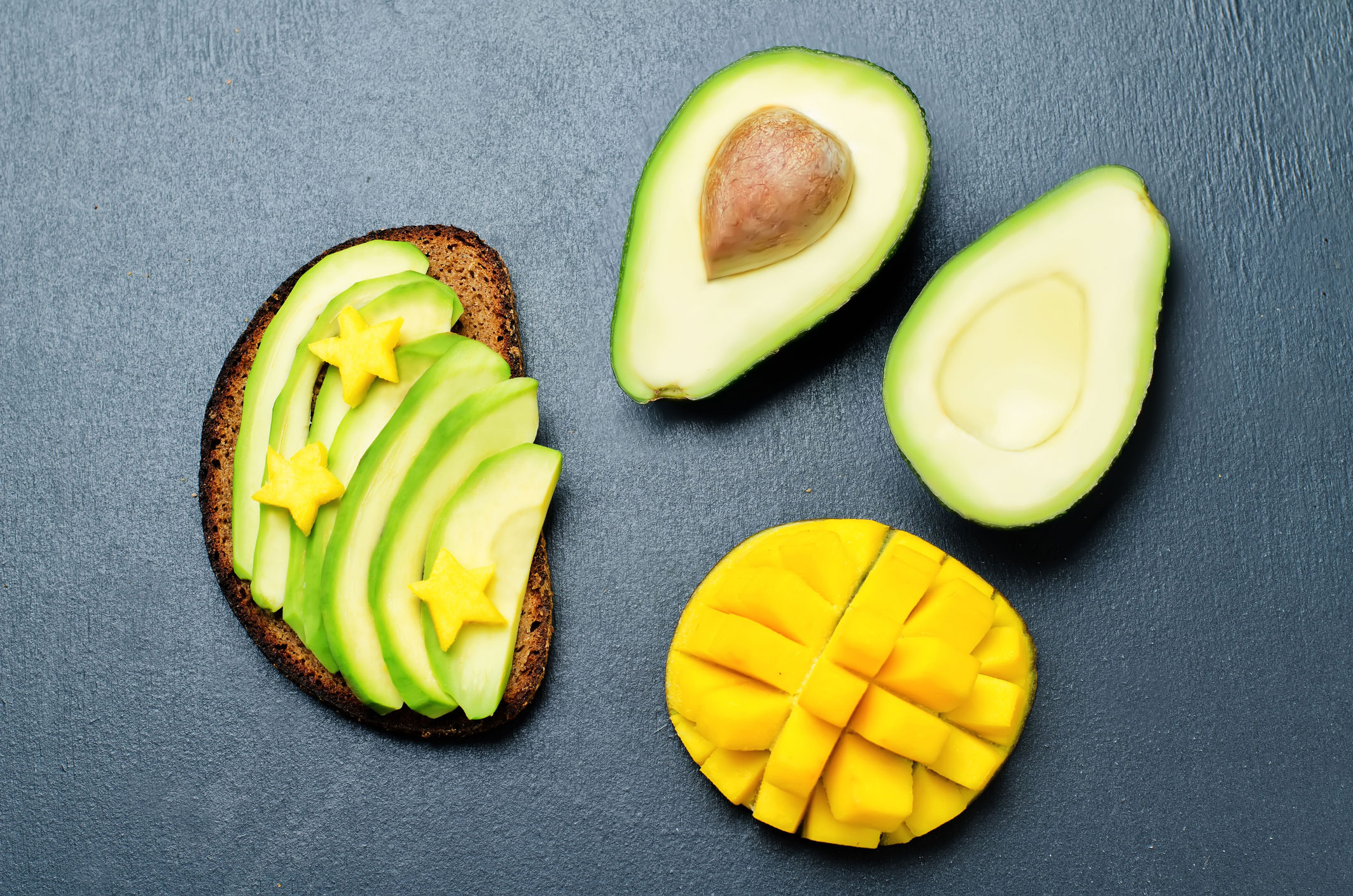
A recent study explores how a simple dietary addition may influence cardiovascular function in individuals with prediabetes.
For the 98 million Americans living with prediabetes, everyday food choices can quietly shape long-term heart health. New research published in the Journal of the American Heart Association points to an unexpected option: pairing avocado with mango.
In the study, adults who added one avocado and one cup of mango to their daily diet for eight weeks showed measurable improvements in how their blood vessels functioned, along with reductions in diastolic blood pressure, a key marker linked to cardiovascular risk.
Researchers at the Illinois Institute of Technology (Illinois Tech) conducted the study by assigning adults with prediabetes to follow an Avocado-Mango (AM) diet. Participants added one medium Hass avocado and one cup of fresh mango to their meals and snacks each day for eight weeks.
A control group followed a calorie-matched diet in which avocado and mango were replaced with carbohydrate-based foods of similar caloric value. Compared with the control group, those following the AM diet showed improvements in blood vessel function and diastolic blood pressure, which are linked to long-term cardiovascular health.
Improvements in Blood Vessel Function
Participants in the AM group experienced a significant rise in flow-mediated dilation (FMD), an indicator of endothelial function (blood vessel health). Their FMD increased to 6.7%, while the control group declined to 4.6%. This difference points to improved vascular function associated with the fruit-based diet.
Diastolic blood pressure also improved, particularly among men. In the control group, men had an average increase in central blood pressure of 5 mmHg (0.20 inches of mercury), while those on the AM diet saw a decrease of about 1.9 mmHg (0.07 inches of mercury). This gap may be clinically meaningful if maintained over time. These effects occurred without changes in calorie intake or body weight, suggesting that adding nutrient-rich foods may benefit heart health without requiring major lifestyle adjustments.
“This research reinforces the power of food-first strategies to help reduce cardiovascular disease risk, particularly in vulnerable populations like those with prediabetes,” said Britt Burton-Freeman, PhD, Principal Investigator and Professor at Illinois Tech. “It’s an encouraging message: small, nutrient-dense additions—like incorporating avocado and mango into meals and snacks—may support heart health without the need for strict rules or major dietary overhauls.”
Nutritional Changes and Additional Findings
Participants who followed the AM diet also increased their intake of fiber, vitamin C, and monounsaturated fats, all of which are associated with cardiovascular health. These improvements occurred without an increase in total calorie intake or body weight. Some markers of kidney function, including estimated glomerular filtration rate (eGFR), also improved.
No significant changes were observed in cholesterol levels, blood sugar, or inflammation. Still, the results suggest that adding nutrient-dense fruits to the diet may offer benefits, particularly for people at risk of type 2 diabetes and cardiovascular disease.
Together, mango and avocado offer a unique combination of nutrients that may help support heart health:
- Mango provides fiber (2g/serving, 7% DV) and is rich in vitamin C (50% DV), an antioxidant that supports blood sugar regulation, weight management, and cardiovascular health.
- Avocado is also a good source of fiber (3g/serving, 11% DV), which helps regulate cholesterol, blood sugar, and body weight. It contains unsaturated fats (6g), which may help lower LDL cholesterol, as well as potassium (250mg, 6% DV), an essential nutrient for maintaining healthy blood pressure.
Together, mango and avocado offer a complementary mix of nutrients that provide a simple and practical way to support cardiovascular health.
Reference: “Effects of Increasing Total Fruit Intake With Avocado and Mango on Endothelial Function and Cardiometabolic Risk Factors in Adults With Prediabetes” by Chelsea Preiss, Sameer Tunio, Lasantha Krishan Hirimuthugoda, Rebecca Zoltoski, Rachael L. Ellison, Amandeep K. Sandhu, Indika Edirisinghe and Britt M. Burton‐Freeman, 16 February 2026, Journal of the American Heart Association.
DOI: 10.1161/JAHA.124.040933
This study was supported through an unrestricted grant from the National Mango Board (NMB) and the Hass Avocado Board (HAB). NMB and HAB had no role in the study design or findings.
Never miss a breakthrough: Join the SciTechDaily newsletter.
Follow us on Google and Google News.