
Close Menu
    Facebook X (Twitter) Instagram
    SciTechDaily
    • Biology
    • Chemistry
    • Earth
    • Health
    • Physics
    • Science
    • Space
    • Technology
    Facebook X (Twitter) Pinterest YouTube RSS
    SciTechDaily
    Home»Chemistry»Researchers Slow Down Grape Ripening to Improve Berry Quality for Winemaking
    Chemistry

    Researchers Slow Down Grape Ripening to Improve Berry Quality for Winemaking

    By American Chemical SocietyJune 30, 2021No Comments3 Mins Read
    Facebook Twitter Pinterest Telegram LinkedIn WhatsApp Email Reddit
    Share
    Facebook Twitter LinkedIn Pinterest Telegram Email Reddit
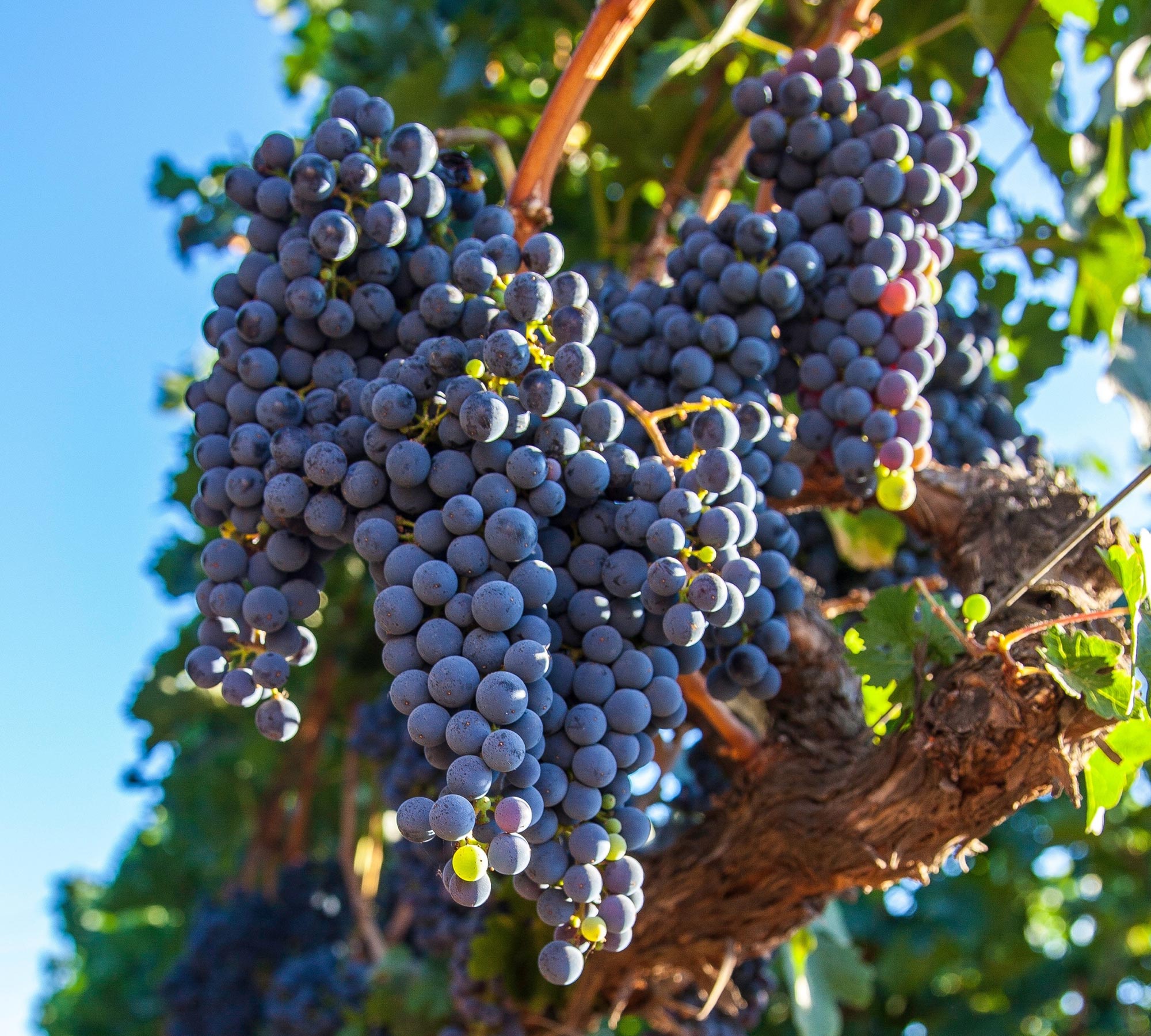
    Napa Valley Cabernet Sauvignon Grape Vine
    Napa Valley Cabernet Sauvignon Grape Vine

    Slowing grape ripening through irrigation and thinning enhances wine flavor by boosting fruity aromas and reducing vegetal notes, offering a climate-resilient winemaking strategy.

    Wine grapes are particularly finicky when it comes to their environment. For instance, heatwaves and droughts lead to earlier berry ripening and lackluster wine. And these types of episodes are expected to intensify as Earth’s climate changes. Now, researchers reporting in ACS’ Journal of Agricultural and Food Chemistry have tweaked growing conditions for Cabernet Sauvignon grapes to slow down their ripening, which increased the levels of compounds associated with wine’s characteristic floral and fruity notes.

    As grapes ripen and change color from light green to deep red, sugars, and aroma compounds accumulate in the berries. But, when they ripen quickly because of heat or water stress, the resulting fruits produce a less desirable wine with more alcohol, a duller color and a lingering taste of cooked fruit. To counteract these negative effects of climate change on wine quality, scientists have been testing different ways to grow the plants.

    Previous researchers have shown that reducing the crop on the vines can speed up grape ripening, while more intense irrigation later in the growing season can delay the process. Christopher Ford and colleagues wanted to examine the impacts of these techniques on the chemical components that contribute to the berries’ quality.
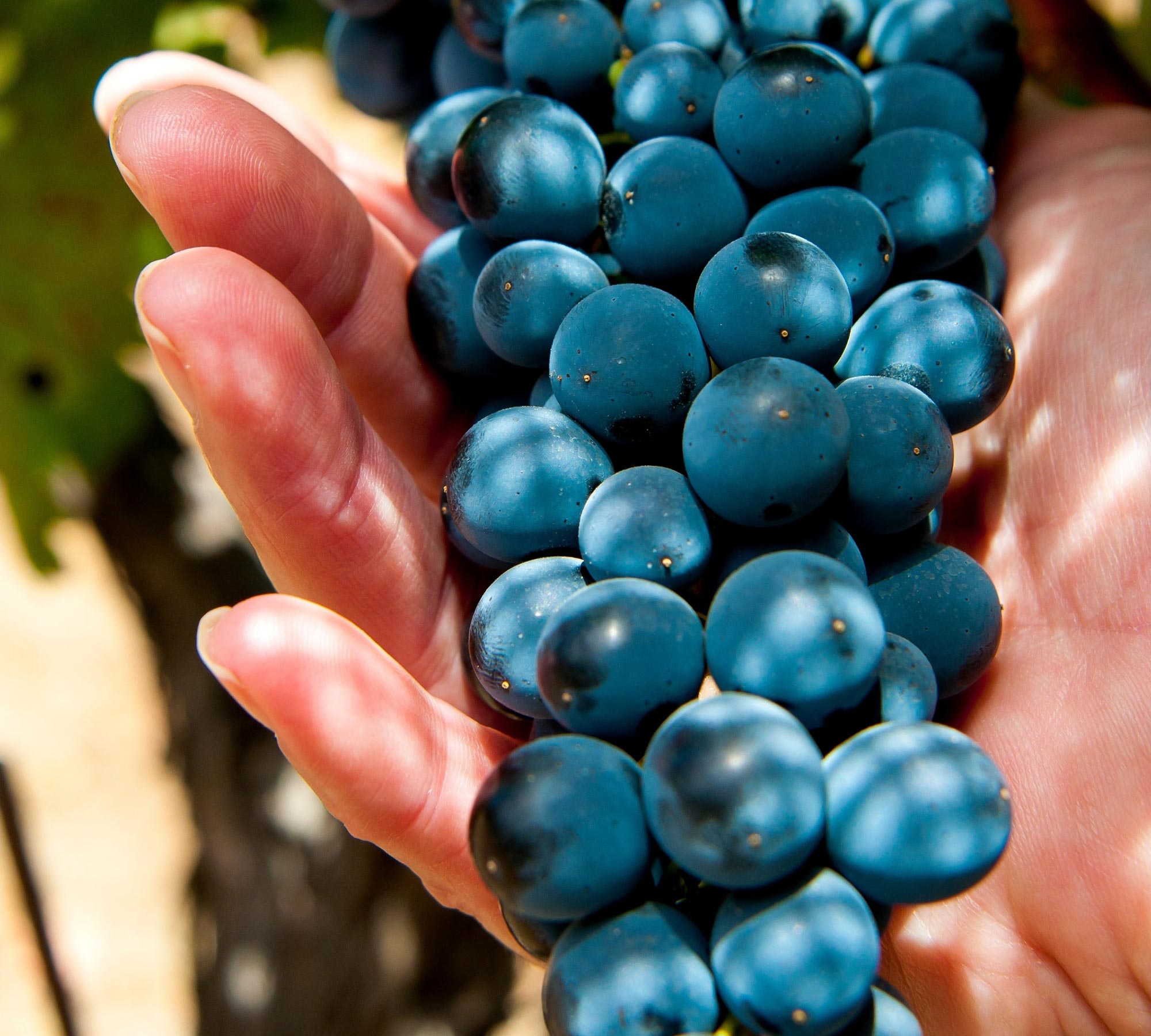
    Cabernet Sauvignon Grapes

    The researchers grew Cabernet Sauvignon wine grapes at a commercial vineyard in the San Joaquin Valley in California. Then, they either removed a portion of the clusters on the vines, irrigated the plants more during the later growing season, did both or did neither, and collected grapes throughout the ripening period. The plants with the fewest berry clusters had the fastest increase in sugar content and were ripe the earliest for all of the tested conditions. However, the plants that were both thinned and watered more had the slowest rate of sugar accumulation.

    The researchers found that slowing down grape ripening decreased six-carbon aldehydes and alcohols and 2-isobutyl-3-methoxypyrazine — associated with green and vegetal wine notes — and increased norisoprenoids and terpenes — associated with pleasant floral and fruity wine notes. The longer growing time improved the quality of grapes for winemaking, the researchers explained, but these adaptation strategies should be monitored over several years before changes are made to current practices.

    Reference: “Crop Load and Plant Water Status Influence the Ripening Rate and Aroma Development in Berries of Grapevine (Vitis vinifera L.) cv. Cabernet Sauvignon” by Pietro Previtali, Nick K. Dokoozlian, Bruce S. Pan, Kerry L. Wilkinson and Christopher M. Ford, 30 June 2021, Journal of Agricultural and Food Chemistry.
    DOI: 10.1021/acs.jafc.1c01229

    The authors acknowledge funding from the Australian Research Council Industrial Transformation Training Centre for Innovative Wine Production, Australian Government, Wine Australia, Waite Research Institute and E. & J. Gallo Winery.

    Never miss a breakthrough: Join the SciTechDaily newsletter.
    Follow us on Google and Google News.

    Agriculture Alcohol American Chemical Society Food Science Plant Science
    Share. Facebook Twitter Pinterest LinkedIn Email Reddit

    Related Articles

    This New Protein Grown From Carrot Waste Won Over Taste Testers

    Four New Discoveries About Beer and Wine That Might Change How You Drink

    Garden of Gains: Transforming Plants Into Workout Supplement Biofactories

    Making Apple Spirits – Such As Calvados and Applejack Brandy – Taste Better

    Handheld “MasSpec Pen” Reveals Meat and Fish Fraud in Seconds

    New Method to Separate Beer Waste Into Proteins for Foods, and Fiber for Biofuels

    “See Through Soil” to Study Hydrogels’ Hidden Workings Could Help Farmers Deal With Future Droughts

    Brewing Beer That Tastes Fresh Longer Using Chemistry and Genetics

    What’s in Dog Food? The Fascinating Chemistry Behind Kibble.

    Leave A Reply Cancel Reply

    • Facebook
    • Twitter
    • Pinterest
    • YouTube

    Don't Miss a Discovery

    Subscribe for the Latest in Science & Tech!

    Trending News

    Scientists Uncover Potential Brain Risks of Popular Fish Oil Supplements

    Scientists Discover a Surprising Way To Make Bread Healthier and More Nutritious

    After 60 Years, Scientists Uncover Unexpected Brain Effects of Popular Diabetes Drug Metformin

    New Research Uncovers Hidden Side Effects of Popular Weight-Loss Drugs

    Scientists Rethink Extreme Warming After Surprising Ocean Discovery

    Landmark Study Links Never Marrying to Significantly Higher Cancer Risk

    Researchers Discover Unknown Beetle Species Just Steps From Their Lab

    Largest-Ever Study Finds Medicinal Cannabis Ineffective for Anxiety, Depression, PTSD

    Follow SciTechDaily
    • Facebook
    • Twitter
    • YouTube
    • Pinterest
    • Newsletter
    • RSS
    SciTech News
    • Biology News
    • Chemistry News
    • Earth News
    • Health News
    • Physics News
    • Science News
    • Space News
    • Technology News
    Recent Posts
    • Early Warning Signals of Esophageal Cancer May Be Hiding in Plain Sight
    • Researchers Have Discovered a THC-Free Cannabis Compound That May Replace Opioids
    • Common Blood Pressure Drug Shows Surprising Power Against Deadly Antibiotic-Resistant Superbug
    • Students Build Dark Matter Detector and Set New Experimental Limits
    • Scientists Discover Caffeine Can Repair Key Memory Circuits After Sleep Loss
    Copyright © 1998 - 2026 SciTechDaily. All Rights Reserved.
    • Science News
    • About
    • Contact
    • Editorial Board
    • Privacy Policy
    • Terms of Use

    Type above and press Enter to search. Press Esc to cancel.