
Close Menu
    Facebook X (Twitter) Instagram
    SciTechDaily
    • Biology
    • Chemistry
    • Earth
    • Health
    • Physics
    • Science
    • Space
    • Technology
    Facebook X (Twitter) Pinterest YouTube RSS
    SciTechDaily
    Home»Biology»Revealing the “Waist-Less” Gene: A Breakthrough in Spider Biology
    Biology

    Revealing the “Waist-Less” Gene: A Breakthrough in Spider Biology

    By PLOSAugust 29, 2024No Comments3 Mins Read
    Facebook Twitter Pinterest Telegram LinkedIn WhatsApp Email Reddit
    Share
    Facebook Twitter LinkedIn Pinterest Telegram Email Reddit
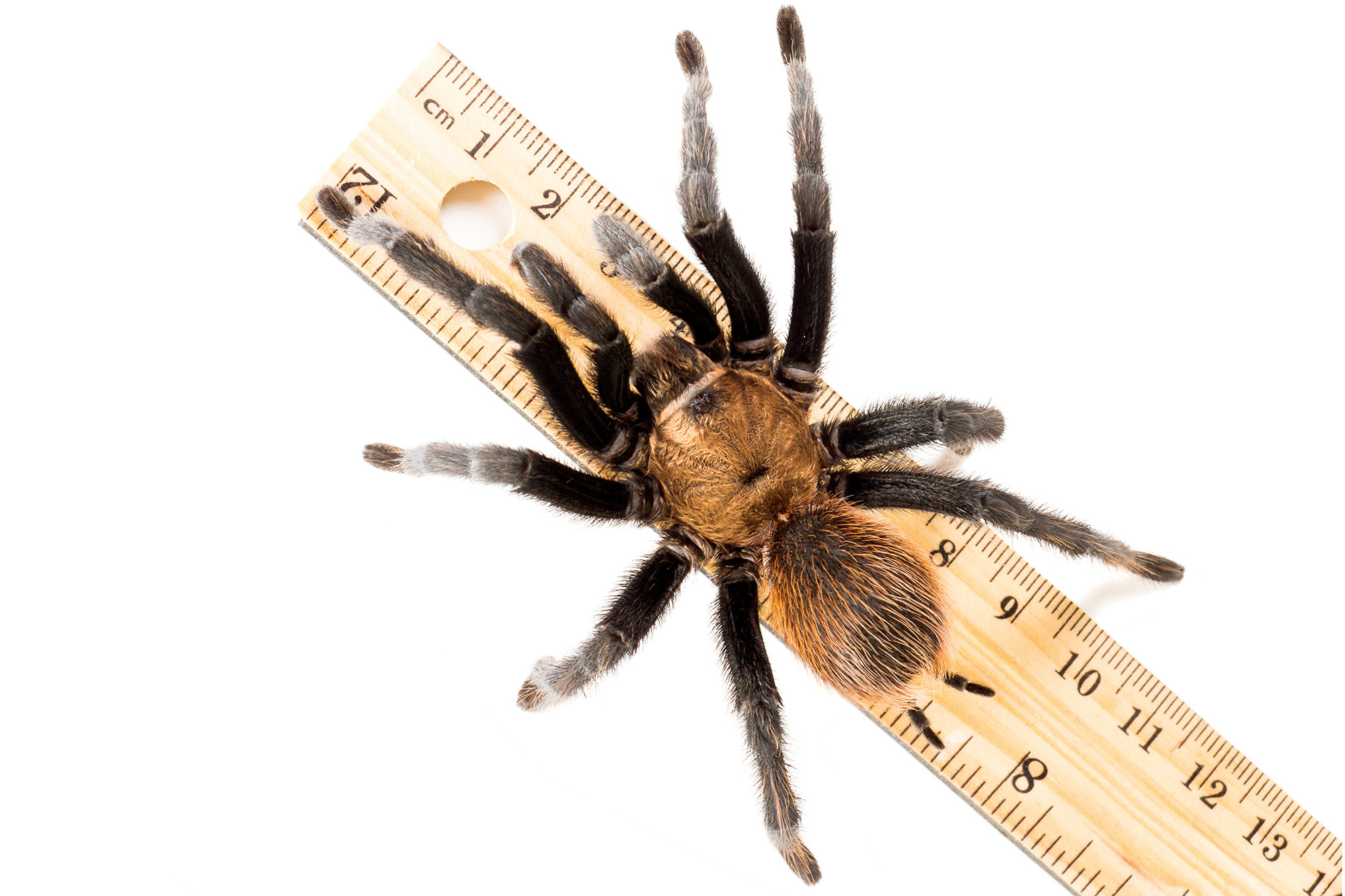
    Texas Brown Tarantula (Aphonopelma hentzi)
    A new study reveals a gene crucial for developing the spider’s narrow waist, distinguishing it from other arthropods. This discovery emphasizes the genetic uniqueness of spiders and the significance of ancient genes in modern biology.

    Researchers have discovered a gene essential for forming the distinctive waist in spiders, highlighting a unique aspect of chelicerate biology.

    This gene, known as ‘waist-less’, differentiates spiders from other arthropods like insects and crustaceans, which lack this gene due to evolutionary divergence.

    Spider Anatomy and Genetics

    An ancient gene is crucial for the development of the distinctive waist that divides the spider body plan in two. This is according to a new study that will be published today (August 29th) in the open-access journal PLOS Biology by Emily Setton from the University of Wisconsin-Madison, US, and colleagues.

    The spider body is divided into two sections, separated by a narrow waist. Compared to insects and crustaceans, relatively little is known about embryonic development in spiders, and the genes involved in the formation of the spider waist are poorly understood.
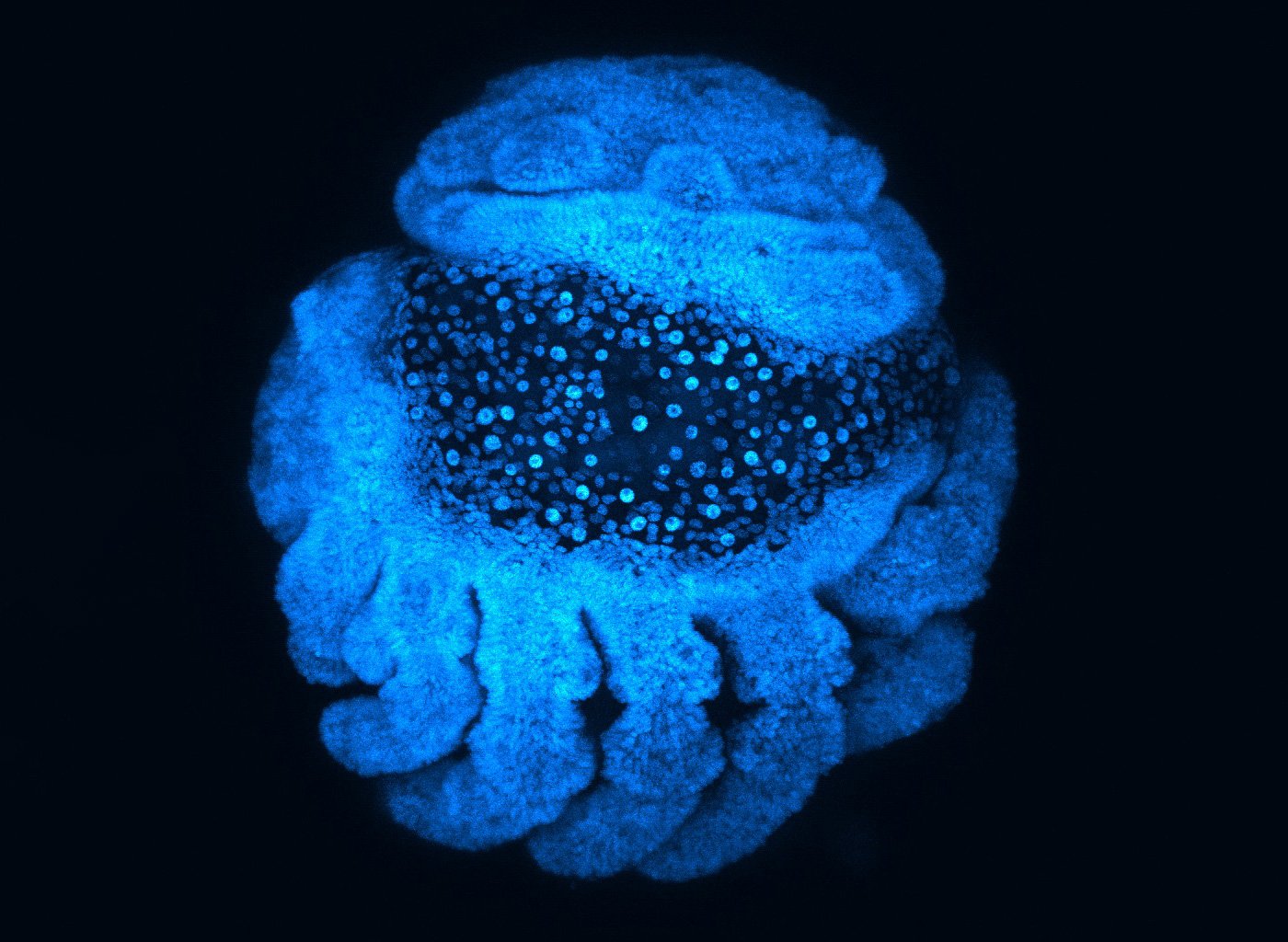
    Spider Embryo With a Loss of the Waist Region
    Spider embryo with a loss of the waist region upon knockdown of the gene waistless. Hoechst staining with fluorescent stereomicroscopy. Credit:
    E.V.W. Setton et al., 2024, PLOS Biology (CC-BY 4.0), edited

    Unraveling the Spider Waist’s Genetic Secrets

    To investigate, researchers sequenced genes expressed in embryos of the Texas brown tarantula (Aphonopelma hentzi) at different stages of development. They identified 12 genes that are expressed at different levels in embryonic cells on either side of the waist. They silenced each of these candidate genes, one by one, in embryos of the common house spider (Parasteatoda tepidariorum) to understand their function in development.

    This revealed one gene — which the authors named ‘waist-less’ — that is required for the development of the spider waist. It is part of a family of genes called ‘Iroquois’, which have previously been studied in insects and vertebrates.

    However, an analysis of the evolutionary history of the Iroquois family suggests that waist-less was lost in the common ancestor of insects and crustaceans. This might explain why waist-less had not been studied previously, because research has tended to focus on insect and crustacean model organisms that lack the gene.
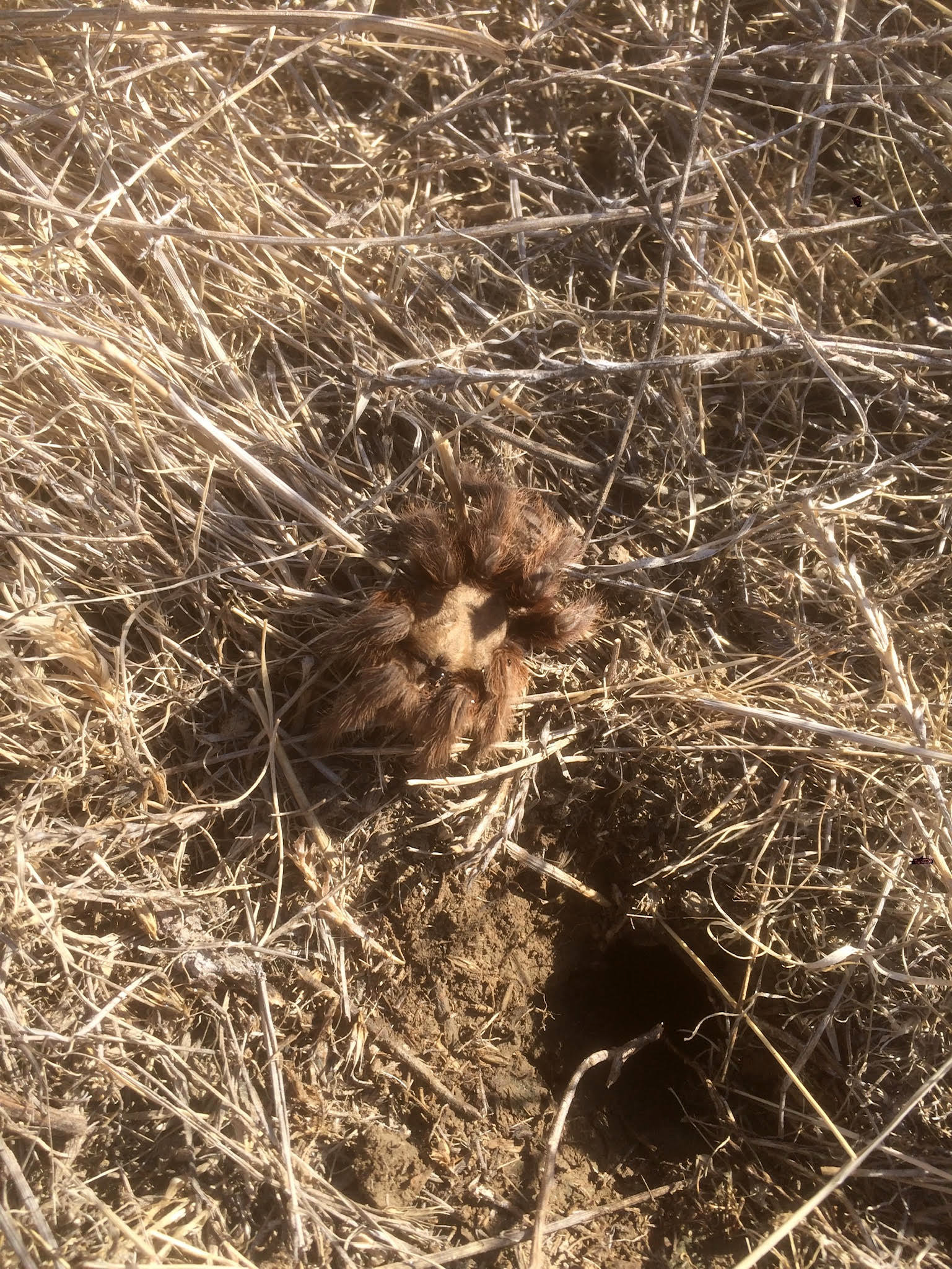
    Aphonopelma hentzi Next to Her Burrow
    A specimen of Aphonopelma hentzi next to her burrow during field collection of embryos. Comanche National Grassland, Colorado, USA. Credit: E.V.W. Setton (CC-BY 4.0)

    Discovery of the ‘Waist-less’ Gene

    The results demonstrate that an ancient, but previously unstudied gene is critical for the development of the boundary between the front and rear body sections, which is a defining characteristic of chelicerates — the group that includes spiders and mites. Further research is needed to understand the role of waist-less in other chelicerates, such as scorpions and harvestman, the authors say.

    The authors add, “Our work identified a new and unexpected gene involved in patterning the iconic spider body plan. More broadly, this work highlights the function of new genes in ancient groups of animals.”

    Reference: “A taxon-restricted duplicate of Iroquois3 is required for patterning the spider waist” by Emily V. W. Setton, Jesús A. Ballesteros, Pola O. Blaszczyk, Benjamin C. Klementz and Prashant P. Sharma, 29 August 2024, PLOS Biology.
    DOI: 10.1371/journal.pbio.3002771

    This work was supported by the National Science Foundation (IOS-1552610 and IOS-2016141 to PPS). Additional support to EVWS came from The National Science Foundation Graduate Research Fellowship (DGE-1747503 to EVWS) . The funders had no role in study design, data collection and analysis, decision to publish, or preparation of the manuscript.

    Never miss a breakthrough: Join the SciTechDaily newsletter.
    Follow us on Google and Google News.

    Arachnids Evolution Genetics PLOS Spiders
    Share. Facebook Twitter Pinterest LinkedIn Email Reddit

    Related Articles

    This 500-Million-Year-Old Sea Creature Had a Brain Like a Spider

    Decoding Mimicry: This Spider’s Almost Perfect Ant Impersonation

    Bloodlines and Bloodsuckers: Tracing Human Migration and Colonization in the Americas Through Lice

    Master of Disguise: The Ant-Plant-Spider Triple Threat!

    Genome Sequencing and Genetic Engineering Could Help Protect Ocean Ecosystems

    Snakes Diversified Explosively After the Dinosaurs Were Wiped Out 66 Million Years Ago

    How Spiders Can Distinguish Living From Non-Living Objects in Their Peripheral Vision

    How an Infectious Tumor in Endangered Tasmanian Devils Evolved As It Spread

    Shocking Research Finds DNA From an Ancient, Unidentified Ancestor Was Passed Down to Humans Living Today

    Leave A Reply Cancel Reply

    • Facebook
    • Twitter
    • Pinterest
    • YouTube

    Don't Miss a Discovery

    Subscribe for the Latest in Science & Tech!

    Trending News

    Collapsing Plasma May Hold the Key to Cosmic Magnetism

    This Breakthrough Solar Panel Generates Power From Both Sunlight and Raindrops

    Scientists Uncover New Metabolic Effects Beyond Weight Loss of Mounjaro

    Scientists Discover Cancer Tumors Are “Addicted” to This Common Antioxidant

    1,800 Miles Down: Scientists Uncover Mysterious Movements at the Edge of Earth’s Core

    Scientists Discover Hidden “Good Fats” in Green Rice That Could Transform Nutrition

    Your Child’s Clothes Could Contain Toxic Lead, Study Finds

    Researchers Break a 150-Year-Old Math Law With a Surprising Donut Discovery

    Follow SciTechDaily
    • Facebook
    • Twitter
    • YouTube
    • Pinterest
    • Newsletter
    • RSS
    SciTech News
    • Biology News
    • Chemistry News
    • Earth News
    • Health News
    • Physics News
    • Science News
    • Space News
    • Technology News
    Recent Posts
    • Natural Oils vs. Antibiotics: The Swine Study That Could Change Farming
    • The Biggest Volcanic Event in Earth’s History Transformed an Entire Oceanic Plate
    • Scientists Warn: Humanity Has Pushed the Planet Past Its Limits
    • Stronger Flu Shot Linked to Nearly 55% Lower Alzheimer’s Risk, Study Finds
    • Researchers Say That Eating Mango With Avocado Offers Surprising Heart Benefits
    Copyright © 1998 - 2026 SciTechDaily. All Rights Reserved.
    • Science News
    • About
    • Contact
    • Editorial Board
    • Privacy Policy
    • Terms of Use

    Type above and press Enter to search. Press Esc to cancel.