

A fossil jawbone found off Taiwan has been confirmed as Denisovan using ancient protein analysis, revealing they lived in both cold and warm climates and had distinct physical traits.
A Pleistocene-era hominin jawbone discovered in Taiwan has been conclusively identified as Denisovan through a new paleoproteomic analysis. This study provides the first direct molecular evidence that Denisovans inhabited a wide range of environments, from the frigid mountains of Siberia to the warm, humid subtropical regions of Taiwan, and sheds new light on their physical characteristics.
Recent research has revealed a surprising diversity of archaic human relatives living in eastern Asia during the Pleistocene, prior to the arrival of modern humans. Among the most significant are the Denisovans, a distinct hominin group first identified through DNA extracted from fossils found in Denisova Cave in Siberia. Genetic studies indicate that Denisovans were closely related to Neanderthals and interbred with both Neanderthals and early modern humans.
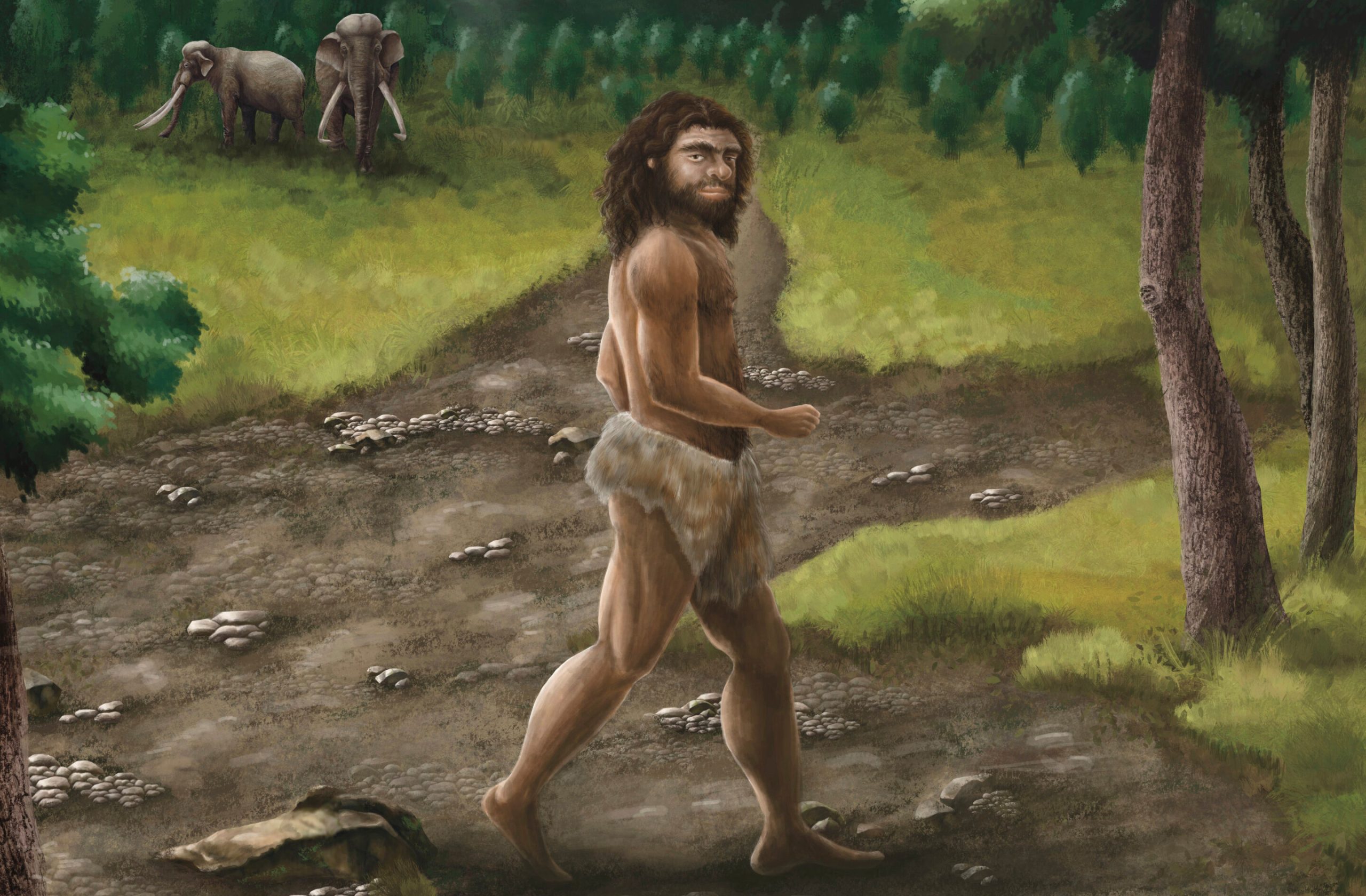
A Breakthrough in Taiwan
However, outside Siberia, direct genetic evidence of Denisovans has only been found on the Tibetan Plateau. While other fossils found across eastern Asia have been proposed as being Denisovan, their classification remains uncertain without molecular confirmation. Here, Takumi Tsutaya and colleagues provide paleoproteomic evidence identifying a fossil hominin mandible (Penghu 1) recovered from the Penghu Channel off Taiwan as belonging to a male Denisovan.
The Penghu remains, along with various animal fossils, were retrieved through commercial fishing dredging from the seafloor, which was once part of the Asian mainland during lower sea levels in the Pleistocene. Using ancient proteomic analysis, Tsutaya et al. extracted proteins from bone and dental enamel from the fossil and retrieved 4,241 amino acid residues, two of which were Denisovan-specific protein variants.
According to the authors, these variants are rare in modern human populations but have a higher frequency in regions associated with Denisovan genetic introgression. What’s more, morphological analysis of the Penghu 1 remains reveals a robust jaw structure with large molars, and distinctive root structures, features that align with traits seen in the Tibetan Denisovan specimen, suggesting these traits were characteristic of the lineage and perhaps sex-specific.
Reference: “A male Denisovan mandible from Pleistocene Taiwan” by Takumi Tsutaya, Rikai Sawafuji, Alberto J. Taurozzi, Zandra Fagernäs, Ioannis Patramanis, Gaudry Troché, Meaghan Mackie, Takashi Gakuhari, Hiroki Oota, Cheng-Hsiu Tsai, Jesper V. Olsen, Yousuke Kaifu, Chun-Hsiang Chang, Enrico Cappellini and Frido Welker, 10 April 2025, Science.
DOI: 10.1126/science.ads3888
Never miss a breakthrough: Join the SciTechDaily newsletter.
Follow us on Google and Google News.