

Bacteria in raw seafood can make you sick. Seafood can also spread bacteria that are resistant to antibiotics.
Sushi has become everyday fare in many places around the globe, including Norway. Many people opt for sashimi and other raw fish when they want to treat themselves to something tasty.
It is important to emphasize here that, as a general rule, it is considered completely safe to eat this type of food in Norway. However, despite the fact that sushi can be delicious, it also carries a health hazard, both for individuals and for society at large.
“Bacteria in sushi, sashimi, and cold-smoked fish products can pose a risk to people who eat such foods frequently, especially people with weak immune systems, children, and the elderly,” says Hyejeong Lee.
She recently completed her PhD at the Department of Biotechnology and Food Science at the Norwegian University of Science and Technology (NTNU). In her thesis, she investigated different varieties of Aeromonas bacteria in seafood products that do not undergo extensive processing. Without heat treatment or the use of other antibacterial methods, the risk of bacteria levels becoming high increases sharply.
“The goal was to gain more knowledge about Aeromonas in this type of seafood – both the bacteria’s role in the deterioration of the product and in causing disease. Furthermore, we wanted to see if raw seafood can spread antibiotic-resistant bacteria,” says Dr. Lee.
Listeria monocytogenes is probably the best-known pathogenic bacteria related to raw or mildly processed seafood. However, the prevalence of Aeromonas in these kinds of products has worried scientists for some time.
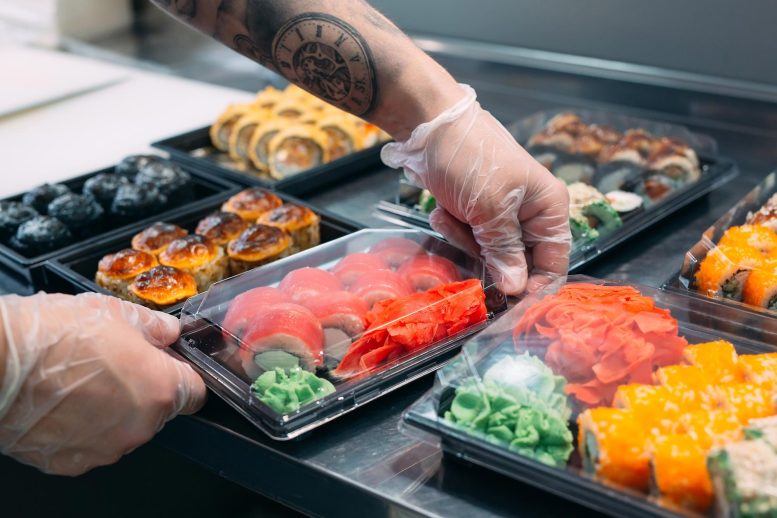
Mild Processing Does Not Inhibit Bacterial Growth
Lee’s point of departure was fish products that are readily available on the Norwegian market. She checked these products for Aeromonas bacteria.
“The results show that the mild processing these fish products receive does not guarantee that the growth of Aeromonas bacteria will be inhibited,” says Lee.
In other words, the processing of sushi, sashimi, and cold-smoked fish is ineffective in preventing bacterial growth. But that’s not all.
“The majority of these Aeromonas variants are possibly pathogenic and there are often several different risk factors associated with them,” says Lee.
Lee emphasizes that the risk of getting sick from Aeromonas is admittedly very small, especially for healthy people.
“Aeromonas is often ignored when we talk about food safety. I think my research highlights that the food industry needs to pay more attention to these bacteria,” says Lee.
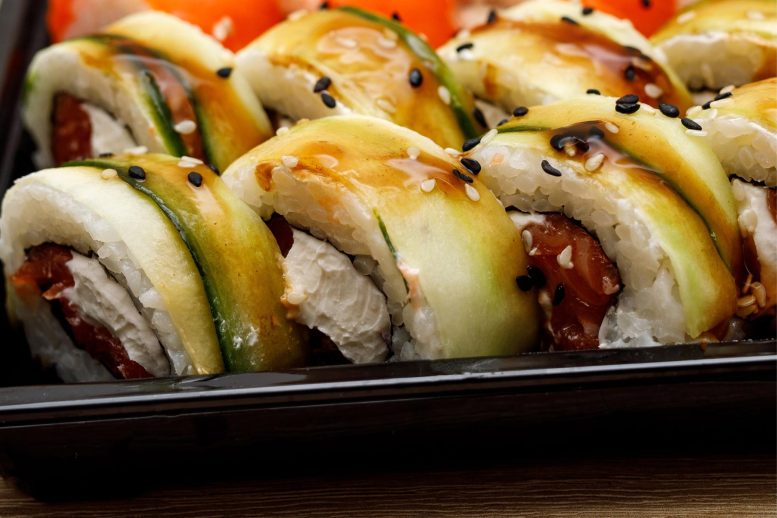
Can Spread Antibiotic Resistance
It is, of course, not very nice for the individuals who become sick, but looking at the big picture, another factor is even more important.
Aeromonas bacteria in the sea frequently exchange genetic material with other bacteria. This is especially unfortunate if this genetic material comes from bacteria that are resistant to antibiotics.
“Some strains of Aeromonas can also spread antibiotic resistance from one type of bacteria to another. Eating seafood infected by resistant bacteria is a likely way these bacteria can spread from marine animals and environments to humans,” Lee concludes.
Resistant bacteria are a growing problem around the world. Resistant bacteria do not cause more disease than other bacteria, but they are far more difficult to treat, because not all types of antibiotics work against them. In a worst-case scenario, no antibiotics work at all.
How to Fight Proliferation
“To combat the spread of antibiotic-resistant bacteria, it is important that we adopt a broad approach that looks at animal and human health, food production and the environment together in order to achieve better public health,” says Anita Nordeng Jakobsen, associate professor at NTNU’s Department of Biotechnology and Food Science.
The associate professor points out that microorganisms are transferred between animals and humans via food and the environment, so reduced use of antibiotics alone is not enough to prevent bacterial proliferation.
Safety With Raw Seafood
- Eating raw or mildly processed seafood products when they are as fresh as possible.
- Maintaining good personal hygiene and kitchen hygiene when preparing food.
- Maintaining adequate refrigeration at all links of the supply chain to inhibit bacterial growth.
Preventative methods include systematically monitoring and taking samples in production environments, finding good monitoring indicators, implementing measures when multidrug-resistant bacteria are detected in groups of animals, vaccination, as well as education and awareness-raising work in food production around the world.
Strict regulation by the authorities is probably the most important means of tackling the problem of antibiotic-resistant bacteria. However, individuals can make a difference by choosing raw produce from countries that only use small amounts of antibiotics in aquaculture, such as Norway.
Norway is among the best in the world when it comes to restrictive use of antibiotics both in the aquaculture industry and in livestock farming. However, preventive or growth-promoting use of antibiotics is common in other parts of the world, especially Southeast Asia.
Reference: “Whole genome sequence analysis of Aeromonas spp. isolated from ready-to-eat seafood: antimicrobial resistance and virulence factors” by Hye-Jeong Lee, Julia E. Storesund, Bjørn-Tore Lunestad, Sunniva Hoel, Jørgen Lerfall and Anita Nordeng Jakobsen, 30 June 2023, Frontiers in Microbiology.
DOI: 10.3389/fmicb.2023.1175304
Never miss a breakthrough: Join the SciTechDaily newsletter.
Follow us on Google and Google News.