
Close Menu
    Facebook X (Twitter) Instagram
    SciTechDaily
    • Biology
    • Chemistry
    • Earth
    • Health
    • Physics
    • Science
    • Space
    • Technology
    Facebook X (Twitter) Pinterest YouTube RSS
    SciTechDaily
    Home»Health»Scientists Trace the Worldwide Origins of Methylmercury in Seafood
    Health

    Scientists Trace the Worldwide Origins of Methylmercury in Seafood

    By Leah Burrows, SEAS CommunicationsFebruary 8, 2018No Comments3 Mins Read
    Facebook Twitter Pinterest Telegram LinkedIn WhatsApp Email Reddit
    Share
    Facebook Twitter LinkedIn Pinterest Telegram Email Reddit
    New Research Tracks Mercury Sources in Seafood
    Methylmercury (MeHg), a neurotoxin, is primarily obtained through the consumption of seafood. Recognizing the origins of MeHg exposure in the diet is critical in developing strategies to lessen mercury discharges.

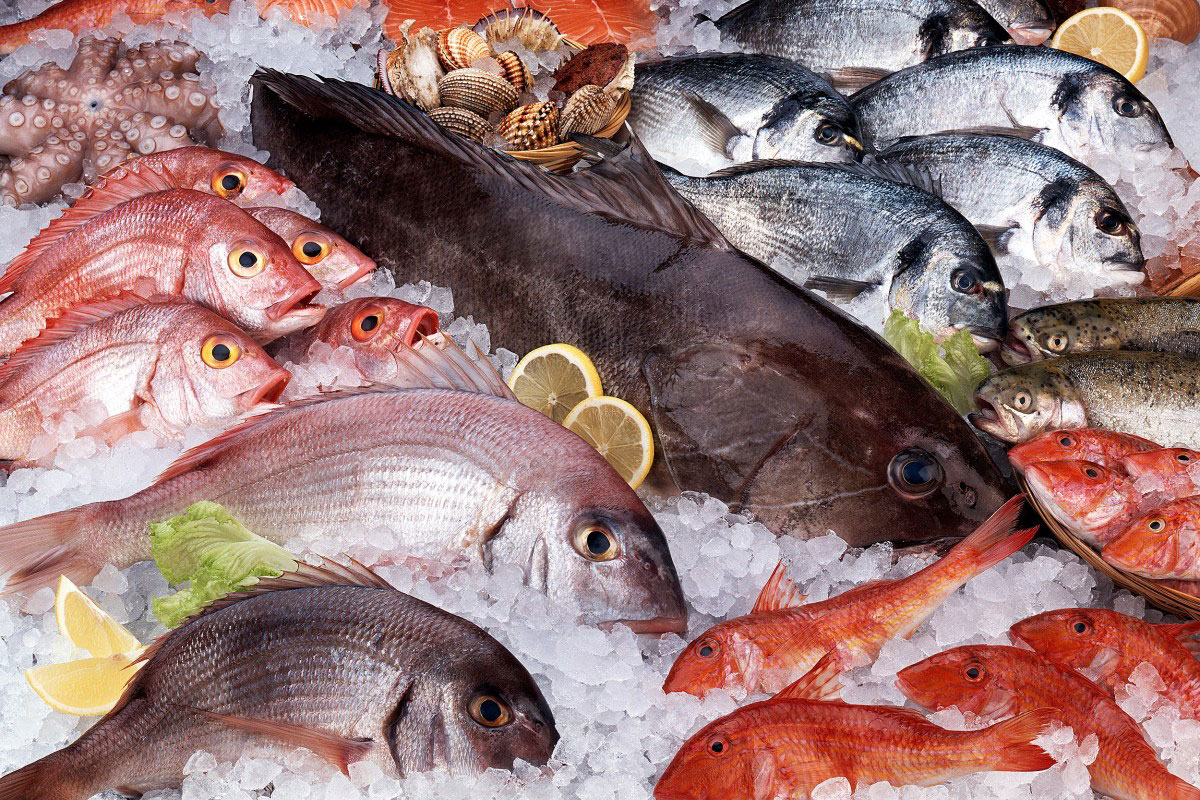
    Order a sushi platter in the U.S. and your plate will likely include tuna from the South Pacific, crab from the North Atlantic, and farm-raised shrimp from Asia.

    Researchers have long known that exposure to the neurotoxin methylmercury (MeHg) comes almost exclusively from eating seafood. But the geographic origins of that exposure haven’t been well understood.

    Now, researchers from the Harvard John A. Paulson School of Engineering and Applied Sciences (SEAS) have traced the worldwide origins of methylmercury in the U.S. diet and examined changes in those sources in recent decades, as ecosystems and palates evolved. Understanding the sources of methylmercury exposure in the diet is important in developing strategies to reduce mercury emissions.

    “Seafood is one of the last wild foods consumed by humans and an essential source of protein and micronutrients for many populations,” said Elsie Sunderland, the Thomas D. Cabot Associate Professor of Environmental Science and Engineering and senior author of the study. “This work shows that global environmental quality and the health of the oceans affects the food we eat.”

    The research is published in the journal Environmental Health Perspectives.

    Researchers Track Mercury Sources in Seafood

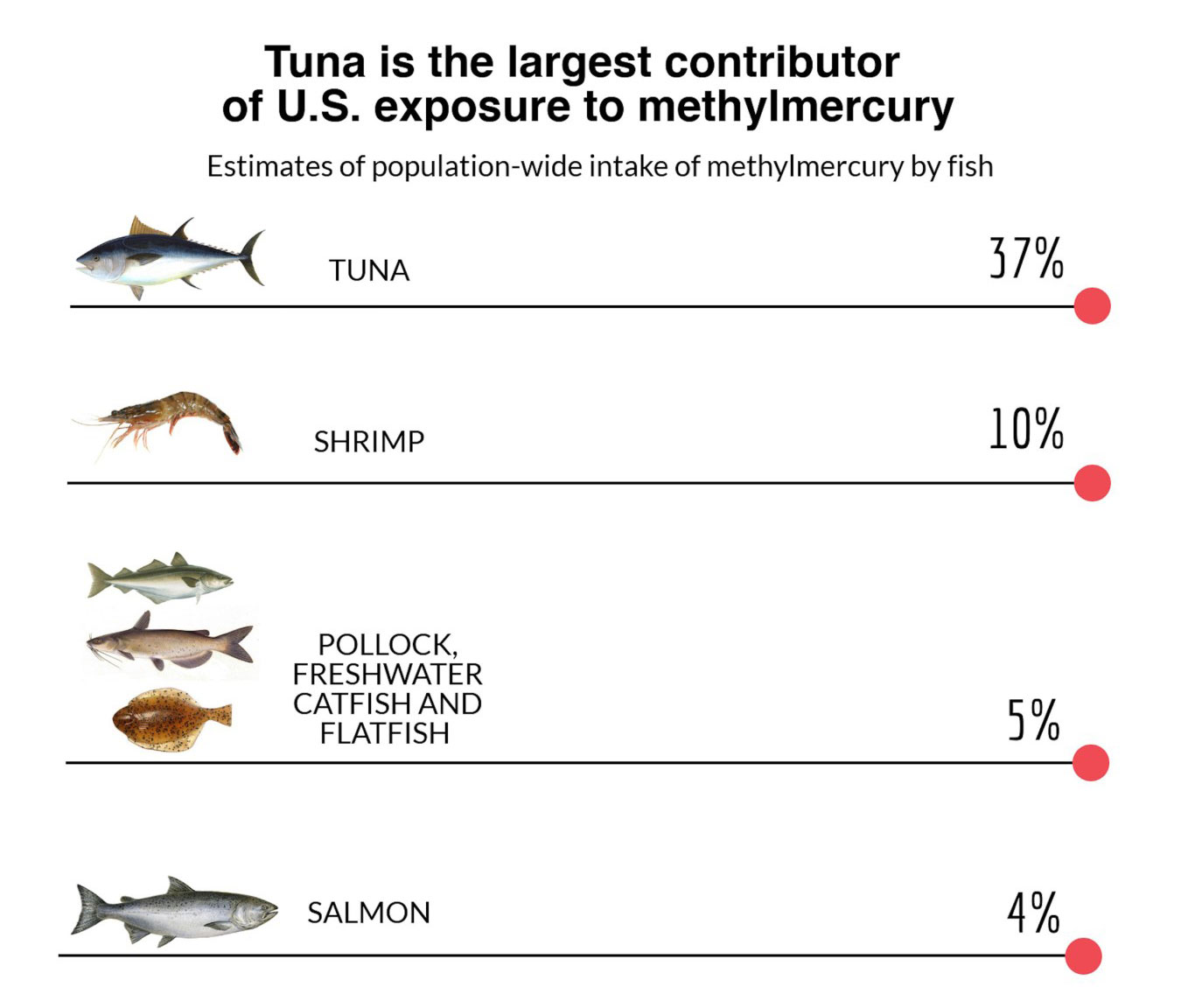
    The researchers found that open-ocean fisheries account for more than half of all U.S. methylmercury exposure. The Pacific Ocean is the largest source of such exposure, as mercury emissions globally have shifted from North America and Europe to Southeast Asia and India. The Equatorial and South Pacific waters are the primary regions for tuna — which contribute the largest fraction of U.S. methylmercury intake.
    New Study Tracks Mercury Sources in Seafood

    Between 2010 and 2012, shrimp was the most-consumed seafood in the U.S. Added together, shrimp and tuna accounted for almost four out of every 10 seafood meals.

    Because tuna has relatively higher concentrations of methylmercury, fluctuations in its consumption have a huge impact on U.S. exposure. Between 2000 and 2002, canned tuna was the most-consumed seafood in this country. While overall consumption of tuna is down compared with previous decades — in large part due to a save-the-dolphins campaign — methylmercury exposure is up because more people are consuming it in the form of sushi.

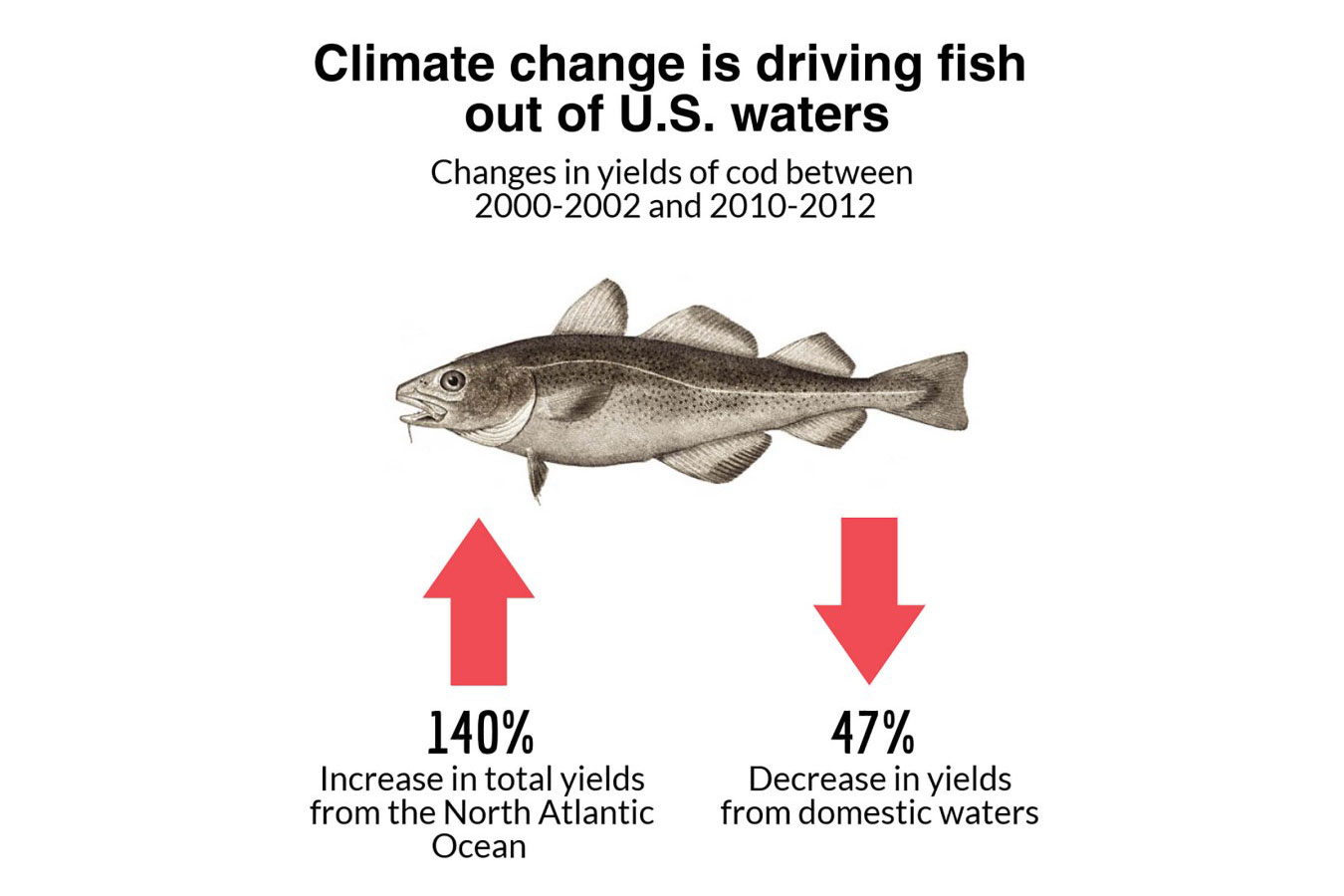
    But food choices aren’t the only factor governing methylmercury exposure. Climate change is affecting how people harvest and consume seafood.

    “This study shows that decadal climatic variability and global warming have strong impacts on the U.S. seafood supply,” said Miling Li, a postdoctoral fellow at SEAS and co-author of the paper. “Climate change significantly alters the sources and burdens of human mercury exposure.”

    Increasingly, fish species, including the popular cod, are swimming out of reach of U.S. domestic fishing vehicles toward cooler waters in the North Atlantic.
    New Research Tracks Mercury Sources in Fish

    The researchers hope that the Minamata Convention, an international treaty to reduce mercury emissions that was signed in 2013 and enacted last year, will mark the beginning of global efforts to reduce mercury in the environment.

    “This research is especially pertinent in light of the Minamata Convention,” said Kurt Bullard ’17, co-author of the study. “We hope this study will help prioritize strategies to reduce environmental MeHg concentrations here in the U.S. But any global efforts to reduce MeHg concentrations would beneficial for U.S. consumers.”

    The paper was supported in part by the U.S. Environmental Protection Agency.

    Reference: “Decadal Changes in the Edible Supply of Seafood and Methylmercury Exposure in the United States” by Elsie M. Sunderland, Miling Li and Kurt Bullard, 16 January 2018, Environ Health Perspect.
    DOI: 10.1289/EHP2644

    Never miss a breakthrough: Join the SciTechDaily newsletter.
    Follow us on Google and Google News.

    Diet Ecosystems Environmental Science Fish Harvard University Nutrition Yale School of Engineering & Applied Science
    Share. Facebook Twitter Pinterest LinkedIn Email Reddit

    Related Articles

    New Harvard Research Links Omega-3 Fatty Acid Consumption With Slower ALS Progression

    Harvard Study Links a Variety of Healthy Eating Patterns to a Lower Risk of Premature Death

    High Fish Consumption Has Been Linked to a Greater Likelihood of Developing Cancer

    6 Scientifically Proven Health Benefits of a Plant-Based Diet

    Eating Better Can Help You Live a Healthier, Longer Life

    Harvard Reveals Quality and Quantity of Key Crops is Changing

    Greater Adherence to the Mediterranean Diet Has Impact on Aging

    Study Links Dietary Glycemic Load and Colon Cancer

    A Low-Glycemic Diet is More Effective at Burning Calories

    Leave A Reply Cancel Reply

    • Facebook
    • Twitter
    • Pinterest
    • YouTube

    Don't Miss a Discovery

    Subscribe for the Latest in Science & Tech!

    Trending News

    Just a Few Breathless Minutes a Day Could Slash Your Risk of 8 Major Diseases

    This Simple Habit Could Cut Your Risk of Dementia by 30%

    Scientists Debunk Rattlesnake Myth That Fooled Hikers and Doctors for Decades

    Scientists Discover Plants Can “Count” – and May Be Smarter Than We Thought

    New Research Reveals Ancient Mars May Have Been Warm, Wet – and Possibly Alive

    This Surprising Daily Habit Could Cut Dementia Risk by 35%

    Just 10 Minutes a Day: Scientists Say This Ancient Chinese Practice Shows Powerful Blood Pressure Benefits

    Scientists Say This Popular Food Could Help Your Body Get Rid of Microplastics

    Follow SciTechDaily
    • Facebook
    • Twitter
    • YouTube
    • Pinterest
    • Newsletter
    • RSS
    SciTech News
    • Biology News
    • Chemistry News
    • Earth News
    • Health News
    • Physics News
    • Science News
    • Space News
    • Technology News
    Recent Posts
    • What Causes Chronic Pain? Scientists Identify Key Culprit in the Brain
    • Semaglutide Shows Surprising Mental Health Benefits in Massive 100,000-Person Study
    • This Little-Known Japanese Fruit Could Help Stop Lung Cancer Before It Starts
    • Scientists Uncover Giant Lava Fields From an Active Underwater Volcano
    • Baffling Geologists for 150 Years: New Study Finally Solves Green River Mystery
    Copyright © 1998 - 2026 SciTechDaily. All Rights Reserved.
    • Science News
    • About
    • Contact
    • Editorial Board
    • Privacy Policy
    • Terms of Use

    Type above and press Enter to search. Press Esc to cancel.