
A groundbreaking genetic analysis of Lyme disease bacteria has paved the way for more accurate diagnostics, treatments, and vaccines.
By sequencing the genomes of 47 strains, researchers can now identify specific bacteria that cause the disease, allowing for more targeted interventions.
Mapping the Genetic Landscape of Lyme Disease
A genetic analysis of Lyme disease bacteria may pave the way for improved diagnosis, treatment, and prevention of the tick-borne ailment.
By mapping the complete genetic makeup of 47 strains of Lyme disease-causing bacteria from around the world, the international team has created a powerful resource for identifying the specific bacterial strains that infect patients. Researchers said this could enable more accurate diagnostic tests and treatments tailored to the exact type or types of bacteria causing each patient’s illness.
“This comprehensive, high-quality sequencing investigation of Lyme disease and related bacteria provides the foundation to propel the field forward,” said Steven Schutzer, a Rutgers New Jersey Medical School professor and coauthor of the study published in mBio. “Every modern research project — from clinical to public health to ecology and evolution to bacterial physiology to medical-tool development to host-bacteria interaction — will benefit from this work.
Unveiling the Evolution of Lyme Disease Bacteria
Researchers said the genetic information uncovered in this study — which explains how the bacteria evolves and spreads and the genes are essential for survival — may help scientists develop more effective vaccines against Lyme disease.
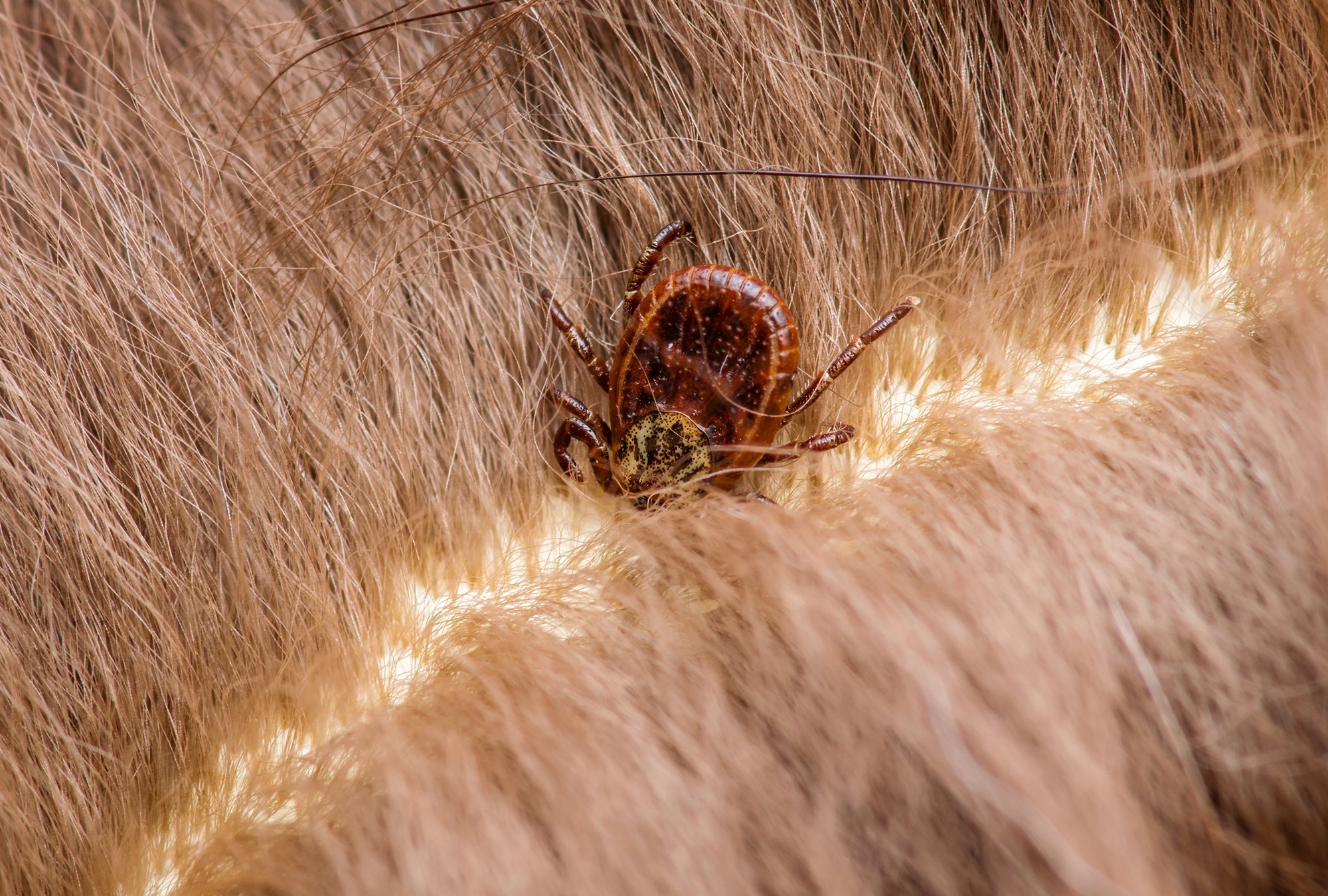
Lyme disease is the most prevalent tick-borne illness in North America and Europe, impacting hundreds of thousands of people annually. This disease is caused by bacteria from the Borrelia burgdorferi sensu lato group, which are transmitted to humans through the bite of infected ticks. Symptoms often include fever, headache, fatigue, and a distinctive skin rash. Without treatment, the infection can progress, leading to more serious complications affecting the joints, heart, and nervous system.
Case numbers are increasing steadily, with 476,000 new cases each year in the US, and may grow faster with climate change, according to the researchers.
Sequencing the Genomes of Lyme Bacteria
The research team sequenced the complete genomes of Lyme disease bacteria representing all 23 known species in the group. Most of these hadn’t been sequenced before this effort. The National Institutes of Health-funded project included multiple strains of the bacteria most commonly associated with human infections and species not previously known to cause disease in humans.
By comparing these genomes, the researchers reconstructed the evolutionary history of Lyme disease bacteria, tracing the origins back millions of years. They discovered the bacteria likely originated before the breakup of the ancient supercontinent Pangea, explaining the current worldwide distribution.
Genetic Exchange and Adaptation in Bacteria
The study also revealed how these bacteria exchange genetic material within and between species. This process, known as recombination, allows the bacteria to evolve rapidly and adapt to new environments. The researchers identified specific hot spots in the bacterial genomes where this genetic exchange occurs most frequently, often involving genes that help the bacteria interact with their tick vectors and animal hosts.
“By understanding how these bacteria evolve and exchange genetic material, we’re better equipped to predict and respond to changes in their behavior, including potential shifts in their ability to cause disease in humans,” said Weigang Qiu, a professor of biology at City University of New York and senior author of the study.
Tools for Future Research and Combatting Lyme Disease
To facilitate ongoing research, the team has developed web-based software tools (BorreliaBase.org) that allow scientists to compare Borrelia genomes and identify determinants of its ability to infect humans.
Looking ahead, the researchers plan to analyze more strains of Lyme disease bacteria, particularly from understudied regions. They also aim to investigate the functions of genes unique to disease-causing strains, which could reveal new targets for therapeutic interventions.
As factors such as climate change help Lyme disease expand its geographic range, this research provides valuable tools and insights for combating this rising public health threat.
“This is a seminal study, a body of work that provides researchers with data and tools going forward to better tailor treatment against all causes of Lyme disease and provides a framework toward similar approaches against other infectious diseases caused by pathogens,” said Benjamin Luft, the Edmund D. Pellegrino Professor of Medicine at the Renaissance School of Medicine at Stony Brook University.
For more on this research, see Lyme Disease DNA Mapping: The Breakthrough That Could Revolutionize Treatment.
Reference: “Natural selection and recombination at host-interacting lipoprotein loci drive genome diversification of Lyme disease and related bacteria” by Saymon Akther, Emmanuel F. Mongodin, Richard D. Morgan, Lia Di, Xiaohua Yang, Maryna Golovchenko, Natalie Rudenko, Gabriele Margos, Sabrina Hepner, Volker Fingerle, Hiroki Kawabata, Ana Cláudia Norte, Isabel Lopes de Carvalho, Maria Sofia Núncio, Adriana Marques, Steven E. Schutzer, Claire M. Fraser, Benjamin J. Luft, Sherwood R. Casjens and Weigang Qiu, 15 August 2024, mBio.
DOI: 10.1128/mbio.01749-24
Other scientists among the study’s 20 authors were Claire Fraser and Emmanuel Mongodin of the University of Maryland School of Medicine and Sherwood Casjens of the University of Utah School of Medicine. The research was also supported by the Steve and Alexandra Cohen Foundation.
Never miss a breakthrough: Join the SciTechDaily newsletter.
Follow us on Google and Google News.
4 Comments
“…, and may grow faster with climate change, according to the researchers.”
Why would they say that when this is characterized as a “seminal study” and they are just beginning to understand the relationship between ticks and the various strains of the bacteria? Are they aware that blue belly lizards in hot California have an immunity to the disease?
https://weather.com/health/news/2021-02-09-lyme-disease-role-of-lizards
The above link remarks “A big drop-off in the number of cases of Lyme disease happens south of Virginia.” It is a lot warmer south of Virginia than it is in Lyme, Conneticut, for which the disease is named. Such offhand remarks about climate change is reprehensible from what is considered a scientist!
The above comment does not take the entire world into consideration, and literally only considers the US in a myopic pseudo analysis….. THAT is reprehensible!
The real issue I have with this research is ethics, and how it can be used to create bioweapons and increase gain of function of pathogens. “They also aim to investigate the functions of genes unique to disease-causing strains, which could reveal new targets for therapeutic interventions.”
This type of genetic research into pathogens is a double-edged sword. Biomedical research into pathogen mechanisms for action will be used for good, and for evil. And it’s easier to create problems with pathogens than to treat the problem caused, as we saw, and continue to see, with SARS-CoV2 and COVID-19.
This article leaves out the role of plasmids in the evolution of the bacterium – kinda the main point of the technical article! It is more hype than explanation.