
Close Menu
    Facebook X (Twitter) Instagram
    SciTechDaily
    • Biology
    • Chemistry
    • Earth
    • Health
    • Physics
    • Science
    • Space
    • Technology
    Facebook X (Twitter) Pinterest YouTube RSS
    SciTechDaily
    Home»Health»The Six Strains of SARS-CoV-2: Despite Its Mutations, the Virus Shows Little Variability
    Health

    The Six Strains of SARS-CoV-2: Despite Its Mutations, the Virus Shows Little Variability

    By Università di BolognaAugust 4, 2020No Comments3 Mins Read
    Facebook Twitter Pinterest Telegram LinkedIn WhatsApp Email Reddit
    Share
    Facebook Twitter LinkedIn Pinterest Telegram Email Reddit
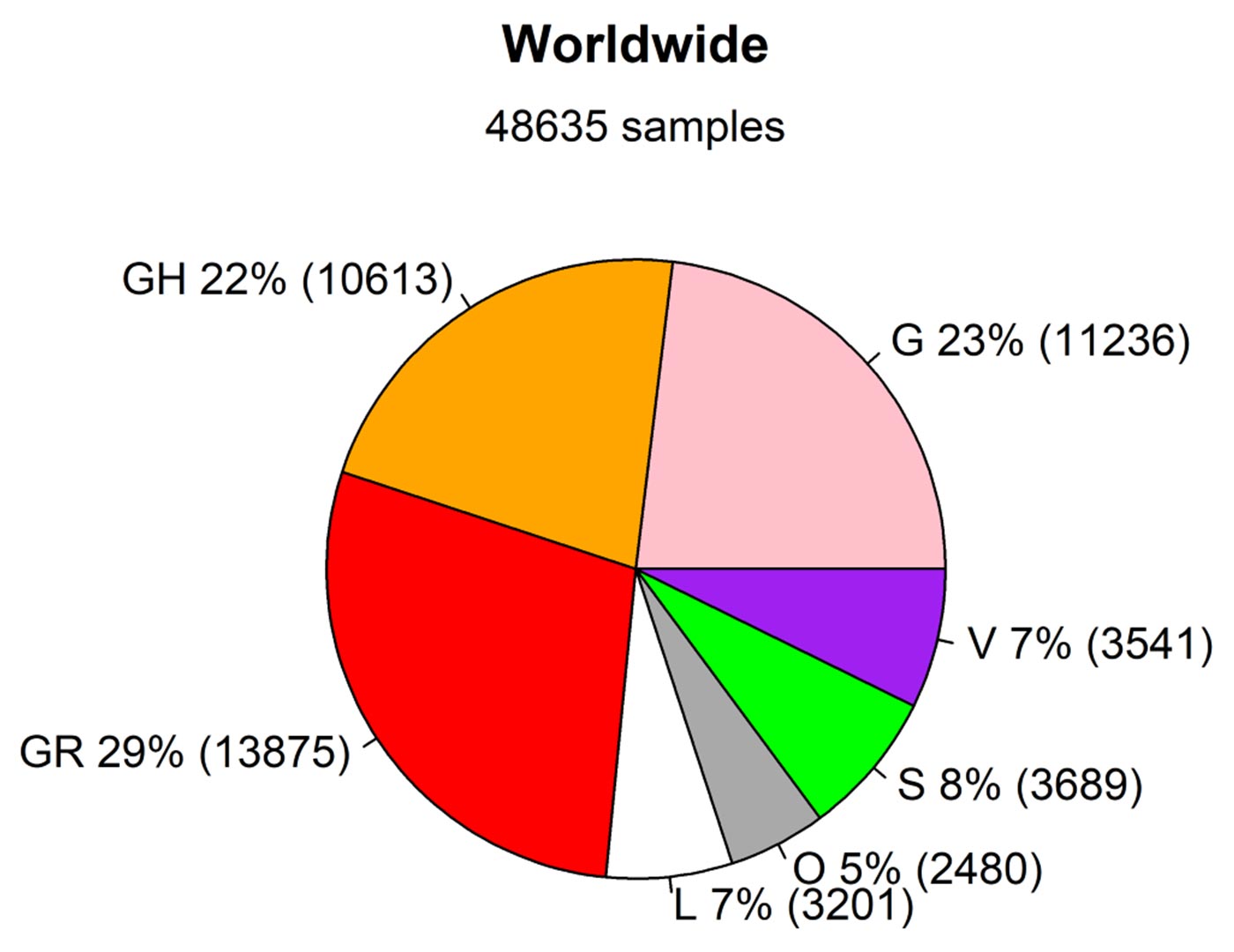
    Worldwide Distribution SARS CoV 2 Six Strains Pie Chart
    SARS-CoV-2 has six strains, but its limited variability is good news for vaccine research.

    The virus causing the COVID-19 pandemic, SARS-CoV-2, presents at least six strains. Despite its mutations, the virus shows little variability, and this is good news for the researchers working on a viable vaccine.

    These are the results of the most extensive study ever carried out on SARS-CoV-2 sequencing. Researchers at the University of Bologna drew from the analysis of 48,635 coronavirus genomes, which were isolated by researchers in labs all over the world. This study was published in the journal Frontiers in Microbiology. It was then possible for researchers to map the spread and the mutations of the virus during its journey to all continents.

    The first results are encouraging. The coronavirus presents little variability, approximately seven mutations per sample. Common influenza has a variability rate that is more than double.
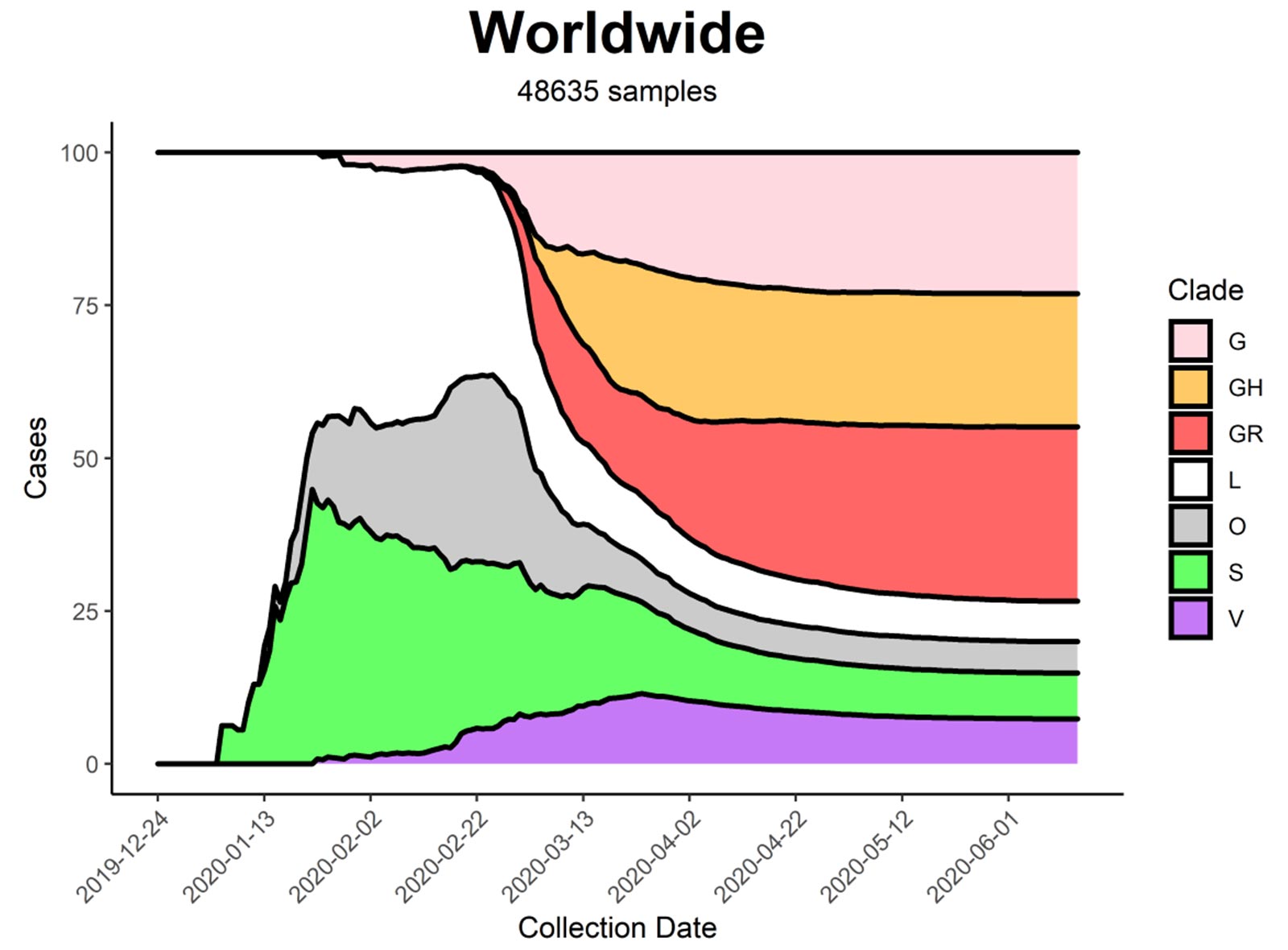
    Worldwide Distribution of the SARS CoV 2 Six Strains

    “The SARS-CoV-2 coronavirus is presumably already optimized to affect human beings, and this explains its low evolutionary change,” explains Federico Giorgi, a researcher at Unibo and coordinator of the study. “This means that the treatments we are developing, including a vaccine, might be effective against all the virus strains.”

    Currently, there are six strains of coronavirus. The original one is the L strain, that appeared in Wuhan in December 2019. Its first mutation — the S strain — appeared at the beginning of 2020, while, since mid-January 2020, we have had strains V and G. To date strain G is the most widespread: it mutated into strains GR and GH at the end of February 2020.

    “Strain G and its related strains GR and GH are by far the most widespread, representing 74% of all gene sequences we analyzed,” says Giorgi. “They present four mutations, two of which are able to change the sequence of the RNA polymerase and Spike proteins of the virus. This characteristic probably facilitates the spread of the virus.”

    If we look at the coronavirus map, we can see that strains G and GR are the most frequent across Europe and Italy. According to the available data, GH strain seems close to non-existence in Italy, while it occurs more frequently in France and Germany. This seems to confirm the effectiveness of last months’ containment methods.

    In North America, the most widespread strain is GH, while in South America we find the GR strain more frequently. In Asia, where the Wuhan L strain initially appeared, the spread of strains G, GH, and GR is increasing. These strains landed in Asia only at the beginning of March, more than a month after their spread in Europe.

    Globally, strains G, GH, and GR are constantly increasing. Strain S can be found in some restricted areas in the US and Spain. The L and V strains are gradually disappearing.

    Besides these six main coronavirus strains, researchers identified some infrequent mutations, that, at the moment, are not worrying but should nevertheless be monitored.

    “Rare genomic mutations are less than 1% of all sequenced genomes,” confirms Giorgi. “However, it is fundamental that we study and analyze them so that we can identify their function and monitor their spread. All countries should contribute to the cause by giving access to data about the virus genome sequences.”

    Reference: “Geographic and Genomic Distribution of SARS-CoV-2 Mutations” by Daniele Mercatelli and Federico M. Giorgi, 22 July 2020, Frontiers in Microbiology.
    DOI: 10.3389/fmicb.2020.01800

    The authors are Daniele Mercatelli and Federico M. Giorgi, both from the Department of Pharmacy and Biotechnology of the University of Bologna.

    Never miss a breakthrough: Join the SciTechDaily newsletter.
    Follow us on Google and Google News.

    Bioinformatics COVID-19 Genetics Infectious Diseases Popular Vaccine
    Share. Facebook Twitter Pinterest LinkedIn Email Reddit

    Related Articles

    Can the Pfizer or Moderna mRNA COVID Vaccines Affect Your Genetic Code?

    Structural Changes Identified in COVID Alpha and Beta Variants – Suggests Need for Updated Vaccine Booster

    Innovative New mRNA Treatment Shows Promise for Stopping Both Flu and COVID-19 Viruses

    Potential Weakness in SARS-CoV-2 Discovered – Single Protein Needed for COVID-19 Virus to Reproduce and Spread

    Gene Identified That Could Explain Why COVID-19 Causes No Symptoms in Some and Serious Illness or Death in Others

    Cleveland Clinic: Melatonin May Be a Viable Treatment for COVID-19

    SARS-CoV-2 Could Evolve Resistance, Rendering COVID-19 Vaccines Ineffective

    Breaking COVID-19’s “Clutch” to Stop Its Spread: Small Molecule Targets SARS-CoV-2 RNA for Destruction

    Many Animal Species Vulnerable to SARS-CoV-2 / COVID-19 According to Genomic Analysis

    Leave A Reply Cancel Reply

    • Facebook
    • Twitter
    • Pinterest
    • YouTube

    Don't Miss a Discovery

    Subscribe for the Latest in Science & Tech!

    Trending News

    Artificial Sweeteners May Harm Future Generations, Study Suggests

    Splashdown! NASA Artemis II Returns From Record-Breaking Moon Mission

    What If Consciousness Exists Beyond Your Brain

    Scientists Finally Crack the 100-Million-Year Evolutionary Mystery of Squid and Cuttlefish

    Beyond “Safe Levels”: Study Challenges What We Know About Pesticides and Cancer

    Researchers Have Found a Dietary Compound That Increases Longevity

    Scientists Baffled by Bizarre “Living Fossil” From 275 Million Years Ago

    Your IQ at 23 Could Predict Your Wealth at 27, Study Finds

    Follow SciTechDaily
    • Facebook
    • Twitter
    • YouTube
    • Pinterest
    • Newsletter
    • RSS
    SciTech News
    • Biology News
    • Chemistry News
    • Earth News
    • Health News
    • Physics News
    • Science News
    • Space News
    • Technology News
    Recent Posts
    • Geologists Reveal the Americas Collided Earlier Than We Thought
    • 20x Difference: Study Reveals True Source of Airborne Microplastics
    • Scientists Uncover Hidden Force Powering Yellowstone’s Supervolcano
    • This Metal Melts in Your Hand – and Scientists Just Discovered Something Strange
    • Why Losing Too Much Fat Can Be Just As Dangerous as Obesity
    Copyright © 1998 - 2026 SciTechDaily. All Rights Reserved.
    • Science News
    • About
    • Contact
    • Editorial Board
    • Privacy Policy
    • Terms of Use

    Type above and press Enter to search. Press Esc to cancel.