
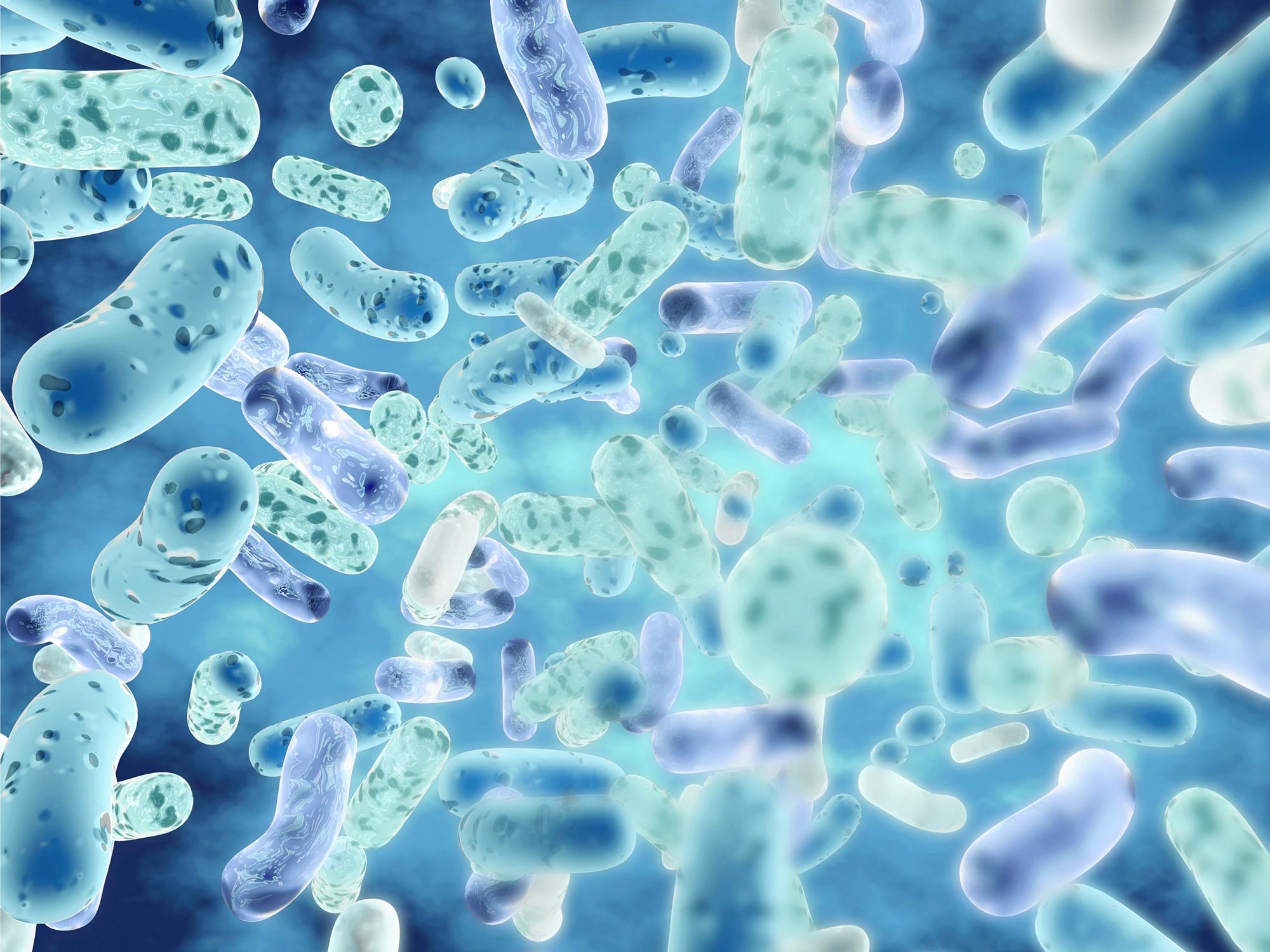
Two probiotic strains have been discovered by researchers as effective in decreasing weight in obese dogs, according to a study published recently in Microbiology Spectrum, a journal of the American Society for Microbiology.
In the new study, the research team investigated metabolic diseases in companion animals and set out to identify probiotics suitable for long-term and safe treatment. “The initial challenge involved selecting specific metabolic diseases for examination, leading us to focus on the prevalent issue of ‘obesity in pets,’” said study principal investigator Younghoon Kim, Ph.D., professor in the Department of Agricultural Biotechnology, College of Agriculture and Life Science (CALS), Seoul National University, in Korea.
Notably, the global prevalence of obesity is higher in older pets, reaching approximately 50% of the total pet population across all age groups. A significant portion of these pets is already undergoing treatments, including dietary interventions.
“Given this context, our team initiated experiments with the primary goal of identifying probiotics capable of reducing the body fat percentage in pets,” Kim said. One of Kim’s primary objectives is to raise awareness about the pressing need for further research on probiotics tailored for pets, emphasizing the vast array of probiotic types that hold potential applications.
The Role of Probiotics in Pet Health
Beyond just acknowledging their role in addressing specific issues, Kim advocates for recognizing the broader therapeutic possibilities that probiotics present, spanning a wide spectrum of diseases affecting companion animals. “By promoting this awareness, my aspiration is to catalyze increased attention, funding, and collaborative efforts in the scientific community to explore the expansive landscape of probiotic applications in pet health,” Kim said.
To identify suitable probiotic candidates for companion animals, Kim and colleagues scrutinized the variations in the composition of intestinal microbiota between young and old dogs, revealing a decline in the population of lactic acid bacteria, Bifidobacterium species, and Enterococcus species in older dogs. This insight guided their decision to employ these specific strains.
Experimental Success with Selected Probiotic Strains
In the experimental phase, they administered these selected strains, Enterococcus faecium IDCC 2102 and Bifidobacterium lactis IDCC 4301, along with a high-fat diet, to a cohort of beagles. The results were compelling, demonstrating the strains’ effectiveness in reducing body fat and rectifying the imbalances in intestinal microflora induced by obesity.
“The strains we carefully selected demonstrated remarkable success in reducing the body fat percentage in dogs,” said Kim. “What set these strains apart was their ability to not only limit dietary intake or enhance excretion to reduce body weight but, more importantly, activate energy metabolism. Even when exposed to a high-calorie diet, we observed a decrease in body weight, alleviation of subcutaneous fat accumulation, and an increase in energy metabolism. This confirmed a shift in the body’s metabolic orientation toward fat consumption, rather than fat accumulation.”
Kim added that, crucially, as fat accumulation often leads to systemic inflammation and disruption of hormone metabolism, the study revealed noteworthy improvements. In the group that ingested the selected strains, the researchers observed lowered inflammation levels and enhanced essential metabolic activities such as insulin production. Furthermore, the researchers successfully increased the proportion of commensal bacteria, which typically reside in the body, acting as a defense against harmful bacteria and boosting immunity.
Kim said that what’s particularly encouraging is that these changes aren’t fleeting. Instead, they persist in the dog’s body, ensuring the positive alterations observed can be sustained over time. This enduring impact underscores the potential long-term benefits of incorporating these probiotic strains into the health regimen for companion animals.
The growing population of individuals with companion animals has led to an increased awareness of health functional foods, particularly probiotics, for furry friends. Despite this surge in interest, research on tailored probiotics for all companion animals, including the dogs investigated in this study, remains notably inadequate when compared to research on humans.
“While types of probiotics suitable for human consumption or commercial livestock have been identified and established, the absence of standardized guidelines for companion animals is a glaring gap,” said Kim. “Our study aimed to address this deficiency by striving to broaden the spectrum of probiotics applicable to pets across various environments.”
Reference: “Dietary supplementation with probiotics promotes weight loss by reshaping the gut microbiome and energy metabolism in obese dogs” by Anna Kang, Min-Jin Kwak, Daniel Junpyo Lee, Jeong Jae Lee, Min Kyu Kim, Minho Song, Minjee Lee, Jungwoo Yang, Sangnam Oh and Younghoon Kim, 25 January 2024, Microbiology Spectrum.
DOI: 10.1128/spectrum.02552-23
Never miss a breakthrough: Join the SciTechDaily newsletter.
Follow us on Google and Google News.
1 Comment
Enterococcus faecium is the bacteria in VRE infections, which could lead to weight loss. Bifidobacterium lactis IDCC 4301 is also known as Bifidobacterium Animalis, found in some probiotic yogurts, and has been known for anti-obesity effects. It’s good to see more confirmation on that. There’s myriad isolates of this bacteria with many marketing terms, including IDCC-4301, and I don’t know about variations between isolates of the same subspecies.