
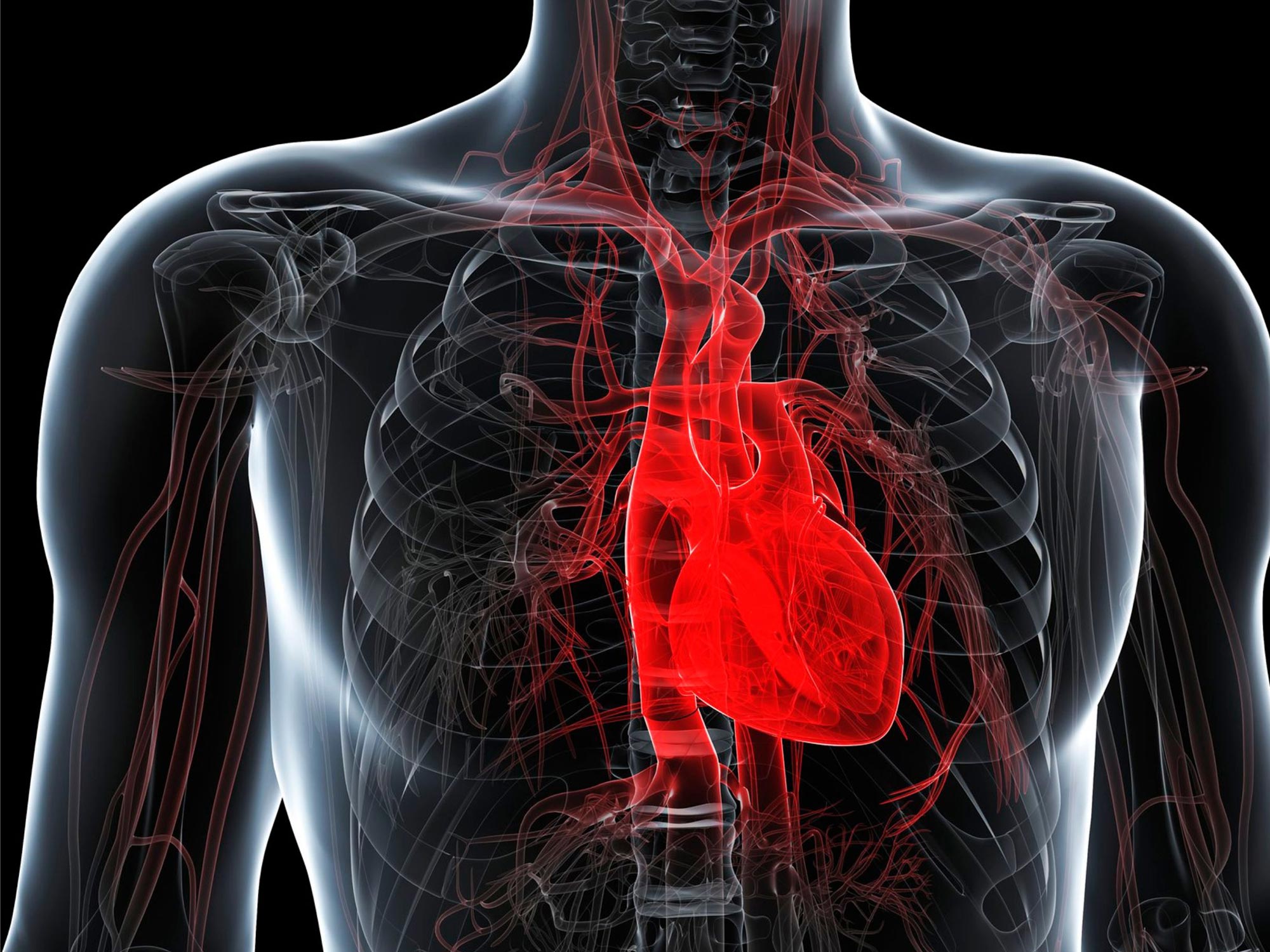
Researchers discovered that a nutrient-matched, plant-based diet could prevent and reverse a hidden form of heart disease in hypertensive rats.
A new study from researchers in the Institute for Biomedical Sciences at Georgia State University reports that a diet centered on fruits, vegetables, nuts, and legumes may help both prevent and improve heart disease in rats with high blood pressure.
The research, published in the Journal of the American Heart Association, explored whether coronary microvascular dysfunction (CMD) could be lessened in hypertensive rats. CMD is a form of heart disease that develops when very small blood vessels that supply the heart become damaged. The investigators also aimed to better understand the biological processes that contribute to CMD.
Hypertension is known to strongly increase the risk of CMD, which can result in repeated episodes of chest pain, more frequent hospital stays, heart failure, and a higher likelihood of death. CMD also affects women more severely than men, and women face higher hospitalization rates after receiving the diagnosis.
Current treatments for CMD offer limited benefits, and many patients continue to struggle with serious complications. For this reason, new options are urgently needed. This study is among the earliest to examine whether diet could play a role in managing CMD, and the researchers focused on the potential impact of a plant-based eating pattern.
Dietary Intervention Produces Striking Results
“We found that a plant-based diet both prevented the development of CMD and reversed established CMD in hypertensive rats, which translates well to the clinical setting,” said Rami S. Najjar, corresponding author of the study, a postdoctoral fellow in the Institute for Biomedical Sciences at Georgia State when the study was conducted and now a postdoctoral fellow at Emory University School of Medicine in the Division of Cardiology.

“Interestingly, the beneficial effects of the plant-based diet in CMD occurred despite the persistence of hypertension, showing that the diet was having a targeted effect on the small blood vessels of the heart,” Najjar explained. “We believe this effect occurred due to improved function of blood vessel cells, counteracting the damaging effects of hypertension. When these cells are damaged, blood vessels in the heart contract, and blood cannot flow well, the cause of chest pain in humans with CMD. However, the plant-based diet rescued the function of these cells, allowing blood vessels to dilate normally again. This is one of the first studies to show that diet can treat CMD. These exciting results support clinical trials to test plant-based diets in human CMD, and we hope to do this soon.”
This study fed female spontaneously hypertensive rats for six months either a control, refined diet, absent in plant foods, or a plant-based diet, which comprised 28 percent fruits, vegetables, nuts and legumes. Importantly, both diets were matched for all nutrients, so the only known difference was the high antioxidant content of the plant-based diet.
If a human ate this diet, it would contain one cup of black beans, one large red bell pepper, 1 ½ cups of Brussels sprouts, two lemons, one medium sweet potato, 1 ½ cups of walnuts, and one cup of blueberries each day. After six months, a subgroup of rats eating the control diet was switched to the plant-based diet to treat CMD after it was established.
Measuring Heart Health and Cellular Function
CMD was assessed by measuring coronary flow reserve, an approach used in the clinic. Researchers also used Georgia State’s recently established Advanced Translational Imaging Facility, using cardiac MRI to look at blood flow of the heart muscle. In addition, investigators isolated blood vessel cells from the heart to look at their function and examined markers of damage in heart tissue.
Reference: “Prevention and Reversal of Hypertension‐Induced Coronary Microvascular Dysfunction by a Plant‐Based Diet” by Rami S. Najjar, Nedumangalam Hekmatyar, Yanling Wang, Vu Ngo, Hannah L. Lail, Juan P. Tejada, Jessica P. Danh, Desiree Wanders, Rafaela G. Feresin, Puja K. Mehta and Andrew T. Gewirtz, 11 November 2025, Journal of the American Heart Association.
DOI: 10.1161/JAHA.125.045515
The study was funded by Najjar’s Agriculture and Food Research Initiative postdoctoral grant from the U.S. Department of Agriculture’s National Institute of Food and Agriculture.
Never miss a breakthrough: Join the SciTechDaily newsletter.
Follow us on Google and Google News.
3 Comments
“If a human ate this diet, it would contain one cup of black beans, one large red bell pepper, 1 ½ cups of Brussels sprouts, two lemons, one medium sweet potato, 1 ½ cups of walnuts, and one cup of blueberries each day.”
That’s about 40 grams protein, and between the beans and walnuts (1.5…cups!?), suboptimal in limiting amino acid methionine. If what you want are heart-healthy rats, go for it. For old age in people, you’re looking for geriatric sarcopenia on a massive scale.
Some research is just plain nuts.
Nut and seed protein is easier absorbed…..a which means you need less protein….it’s all the seed oils that prevents protein assimilation ….one half of meat based protein goes unabsorbed
It did note that was only 28% of intake