
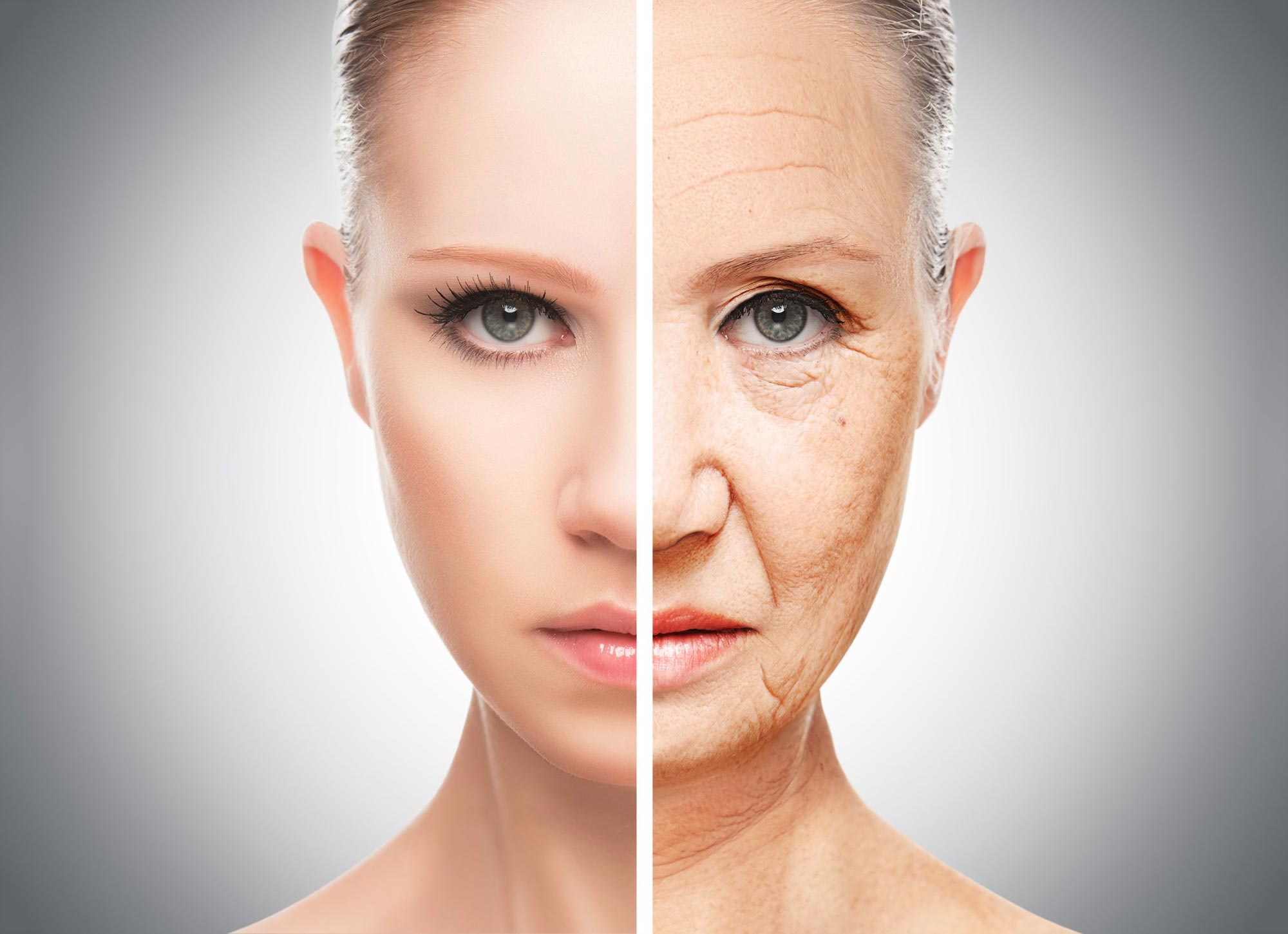
Fatty acids and glycerol, key fat byproducts, contribute to aging and chronic diseases.
Research suggests that reducing these byproducts, particularly through the enzyme ADH-1, could slow aging. Calorie restriction and drugs like rapamycin increase ADH-1 activity, leading to lower glycerol levels and extended lifespans in lab animals.
The Impact of Fat Byproducts on Aging
The journey of aging brings with it an unavoidable reality for many: an increased accumulation of body fat. Though much of society seems mostly focused on the aesthetics of being overweight, doctors look past any cosmetic concerns to focus on the health implications of fat byproducts in the body.
Fatty acids are one of the molecular building blocks that make up fats. Though essential for various bodily functions, excessive amounts of fatty acids in the body can be harmful, shortening a person’s health span and life span by increasing their risk of chronic disease, disrupting metabolic processes, and promoting inflammation.

Fatty acids are routinely checked during medical examinations, such as blood tests measuring your lipid profile. But clinicians and researchers often overlook the other key component of fat despite its potentially harmful effects: glycerol, a compound that links fatty acids to make a fat molecule.
Both of these fat byproducts disrupt cellular and organ function, mirroring the effects of aging. In fact, researchers are increasingly seeing obesity as a catalyst for accelerated aging.
Research Focus on Fat and Aging
The role that fats play in aging is one of the focuses of my work as a genomicist and biochemist. My research team and I wondered whether reducing harmful fat byproducts might help slow the aging process and consequently stave off common diseases.
Fats perform essential functions in your cells, but not all of them are good for you.
Breaking Down Fat Byproducts
In studying ways to extend the life span and improving the health at late age of lab animals, my colleagues and I saw a consistent pattern: All the anti-aging interventions we tested led to reduced glycerol levels.
For instance, when placed on a calorie-restricted diet, the nematode Caenorhabditis elegans lives about 40% longer. We found that the glycerol levels in the body of these long-lived worms were lower than in shorter-lived worms that were not food restricted. Calorie restriction also heightened the activity of an enzyme responsible for breaking down glycerol, ADH-1, in their intestine and muscles.
ADH-1 and Calorie Restriction
We saw similar high ADH-1 activity levels in people undergoing dietary restriction or treated with an anti-aging drug called rapamycin. This finding suggests there may be a common mechanism underlying healthy aging across species, with ADH-1 at its core.
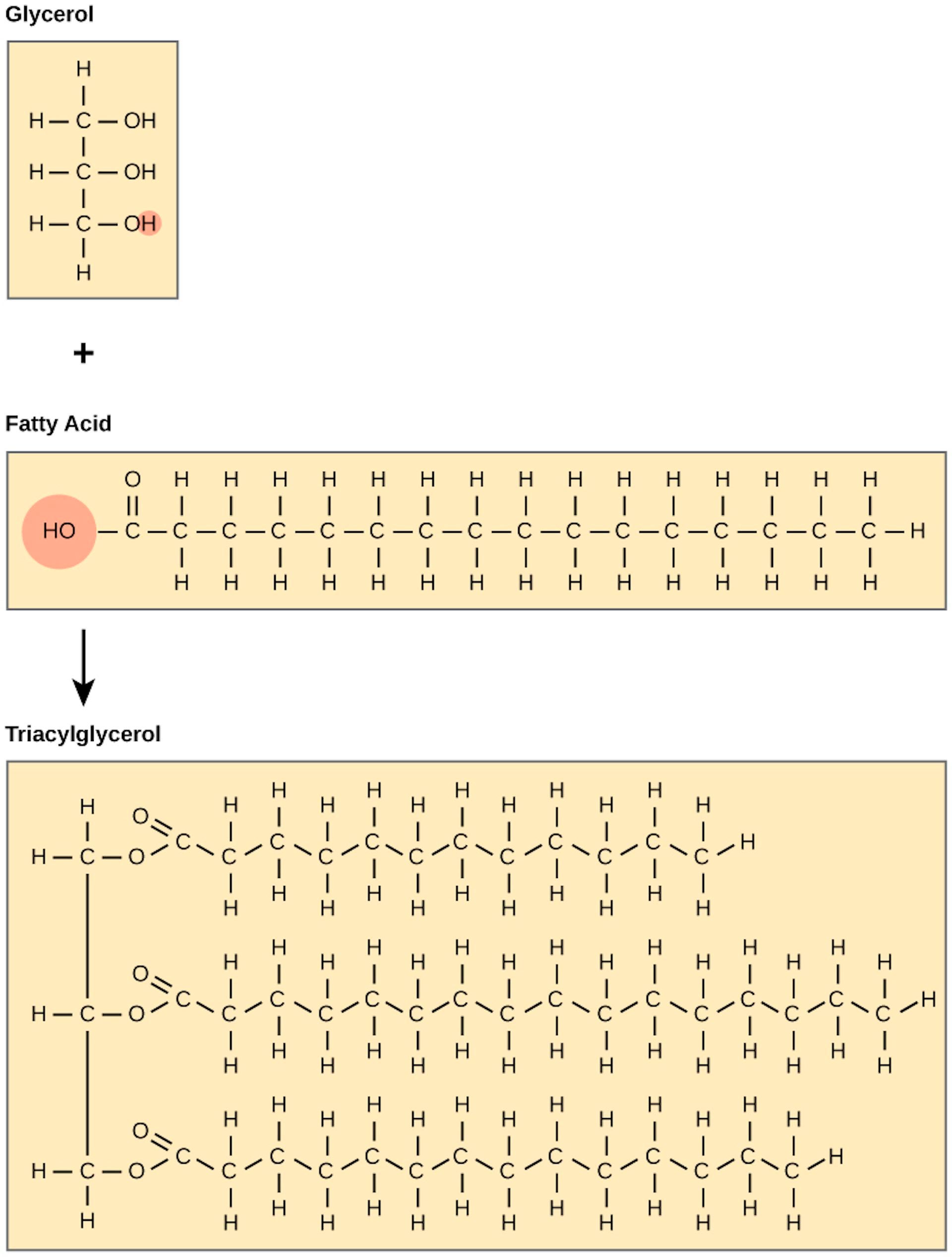
We hypothesized that elevated ADH-1 activity promotes health in old age by decreasing harmful levels of glycerol. Supporting this hypothesis were two critical observations. First, we found that adding glycerol to the diet of worms shortened their life span by 30%. By contrast, animals genetically modified to boost levels of the glycerol-busting enzyme ADH-1 had low glycerol levels and remained lean and healthy with longer lives, even on unrestricted diets.
The simple molecular structure and wealth of research on ADH-1 make it an attractive target for developing drugs that boost its activity. My lab’s long-term goal is to explore how compounds that activate ADH-1 affect the health and longevity of both mice and people.
Societal Implications of Anti-Aging Research
Anti-aging research generates both excitement and debate. On the one hand, the benefits of healthy aging are clear. On the other hand, extending life span through healthier aging will likely introduce new societal challenges.
If life spans extending to 120 years become the norm, social structures, including retirement ages and economic models, will need to evolve to accommodate an aging population. Legal and social frameworks regarding the elderly and family care may need revision. The sandwich generation, those with children and living parents and grandparents, might find themselves caring for even more generations simultaneously. Longer lives will require society to rethink and reshape how we integrate and support an increasingly older population in our communities.
Whether through ADH-1 or dietary adjustments, the quest for the solution to healthy aging is not just a medical journey but a societal one.
Written by Eyleen Jorgelina O’Rourke, Associate Professor of Biology and Cell Biology, University of Virginia.
Adapted from an article originally published in The Conversation.
Never miss a breakthrough: Join the SciTechDaily newsletter.
Follow us on Google and Google News.