
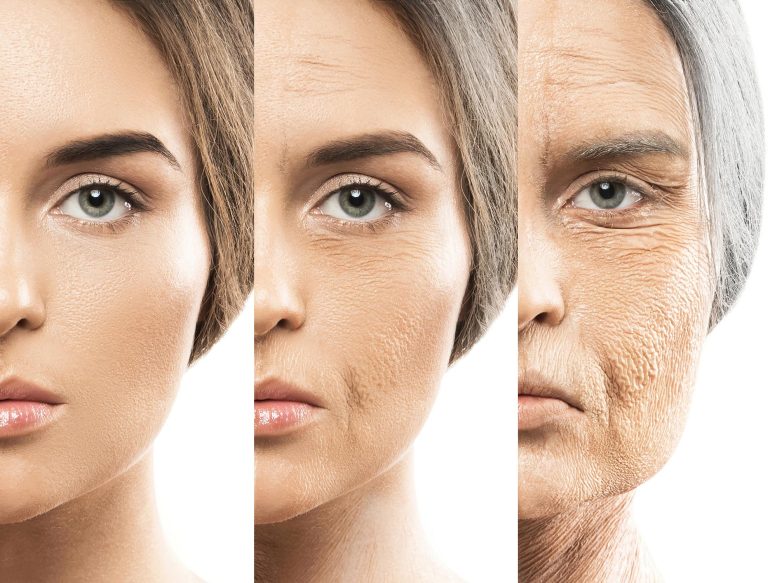
A decline in the protein Menin in the brain’s hypothalamus appears to drive aging by triggering inflammation and loss of key neurotransmitters.
Mouse studies reveal that restoring Menin or supplementing with the amino acid D-serine improves cognition, bone density, skin thickness, and balance—pointing to a potential path toward slowing or even reversing aspects of aging.
Hypothalamic Menin and Aging Discovery
A study in PLOS Biology, led by Lige Leng of Xiamen University in China, suggests that a drop in the brain protein Menin within the hypothalamus may be a major factor in aging. The research points to Menin as an overlooked driver of physiological aging and indicates that a simple amino acid supplement could help counter some age-related effects.
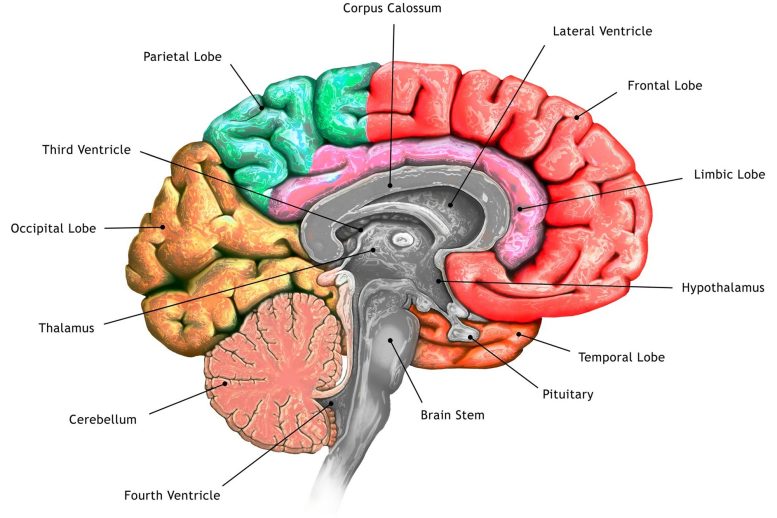
The hypothalamus is already known to influence how the body ages, largely through rising levels of neuroinflammatory signaling as time passes. This inflammation fuels many age-related changes, both in the brain and throughout the body.
Menin’s Role in Neuroinflammation and Lifespan
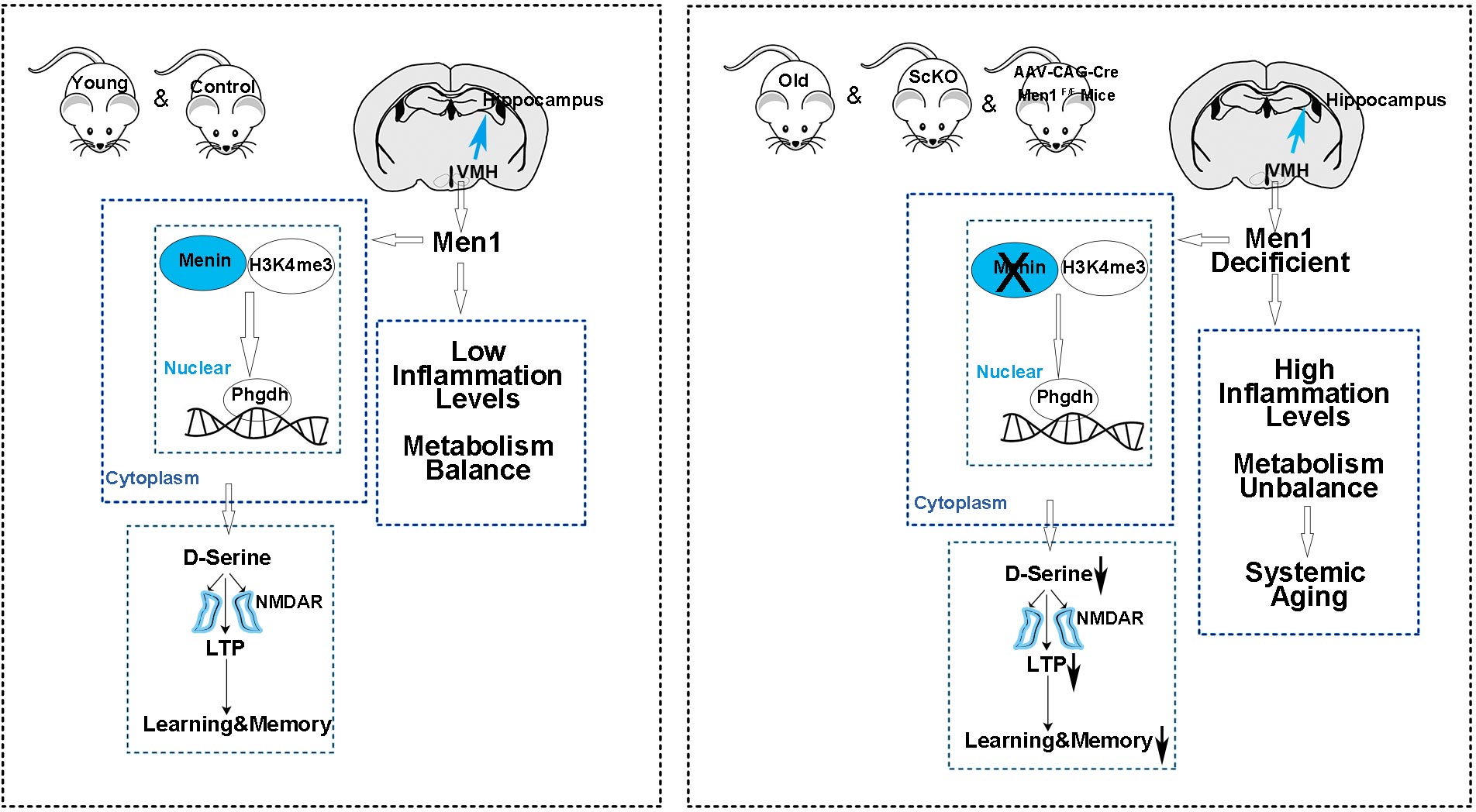
Leng and his team recently identified Menin, a protein found in the hypothalamus, as an important brake on neuroinflammation. Their latest work asked whether its decline contributes to aging. They discovered that Menin levels fall in hypothalamic neurons as animals age, but remain stable in astrocytes and microglia. To test the consequences, the researchers engineered mice in which Menin could be selectively switched off. In younger animals, this loss triggered heightened hypothalamic inflammation, declines in bone density and skin thickness, cognitive deterioration, and a modestly shorter lifespan.
The researchers also observed that reduced Menin led to lower levels of D-serine, an amino acid that functions as a neurotransmitter and is sometimes taken as a dietary supplement (it naturally occurs in soybeans, eggs, fish, and nuts). Further analysis showed that this drop in D-serine was caused by reduced activity of an enzyme responsible for its production, which itself depends on Menin.
Reversing Aging with Menin and D-Serine
Could reversing age-related Menin loss reverse signs of physiological aging? To test that, the authors delivered the gene for Menin into the hypothalamus of elderly (20-month-old) mice. Thirty days later, they found improved skin thickness and bone mass, along with better learning, cognition, and balance, which correlated with an increase in D-serine within the hippocampus, a central brain region important for learning and memory. Remarkably, similar benefits on cognition, though not on the peripheral signs of aging, could be induced by three weeks of dietary supplementation with D-serine.
There is much left to be learned about Menin’s role in aging, including the upstream processes that lead to its decline, and there is much to learn about the potential for exploiting this pathway, including how much phenotypic aging can be slowed, and for how long, and whether supplementation with D-serine may trigger other changes, yet to be discovered.
Menin as the Missing Link in Aging Pathways
Nonetheless, Leng said, “We speculate that the decline of Menin expression in the hypothalamus with age may be one of the driving factors of aging, and Menin may be the key protein connecting the genetic, inflammatory, and metabolic factors of aging. D-serine is a potentially promising therapeutic for cognitive decline.”
Leng adds, “Ventromedial hypothalamus (VMH) Menin signaling diminished in aged mice, which contributes to systemic aging phenotypes and cognitive deficits. The effects of Menin on aging are mediated by neuroinflammatory changes and metabolic pathway signaling, accompanied by serine deficiency in VMH, while restoration of Menin in VMH reversed aging-related phenotypes.”
Reference: “Hypothalamic Menin regulates systemic aging and cognitive decline” by Lige Leng, Ziqi Yuan, Xiao Su, Zhenlei Chen, Shangchen Yang, Meiqin Chen, Kai Zhuang, Hui Lin, Hao Sun, Huifang Li, Maoqiang Xue, Jun Xu, Jingqi Yan, Zhenyi Chen, Tifei Yuan and Jie Zhang, 16 March 2023, PLoS Biology.
DOI: 10.1371/journal.pbio.3002033
A version of this article was originally published in March 2023.
Since this research was published, evidence continues to accumulate that D-serine levels decline with normal aging (in both animals and humans), and that this decline correlates with impairments in memory and synaptic plasticity. However, no human clinical trials (so far) have definitively tested whether boosting Menin or supplementing D-serine can reverse aging markers in humans in the manner shown in mice. The translational gap remains.
Never miss a breakthrough: Join the SciTechDaily newsletter.
Follow us on Google and Google News.