
Close Menu
    Facebook X (Twitter) Instagram
    SciTechDaily
    • Biology
    • Chemistry
    • Earth
    • Health
    • Physics
    • Science
    • Space
    • Technology
    Facebook X (Twitter) Pinterest YouTube RSS
    SciTechDaily
    Home»Health»Scientists Discover Key to Unlocking the Secret of Degenerative Brain Disorders Like Alzheimer’s
    Health

    Scientists Discover Key to Unlocking the Secret of Degenerative Brain Disorders Like Alzheimer’s

    By National Research Council of Science & TechnologyApril 23, 2024No Comments4 Mins Read
    Facebook Twitter Pinterest Telegram LinkedIn WhatsApp Email Reddit
    Share
    Facebook Twitter LinkedIn Pinterest Telegram Email Reddit
    Neuron Network Synapse
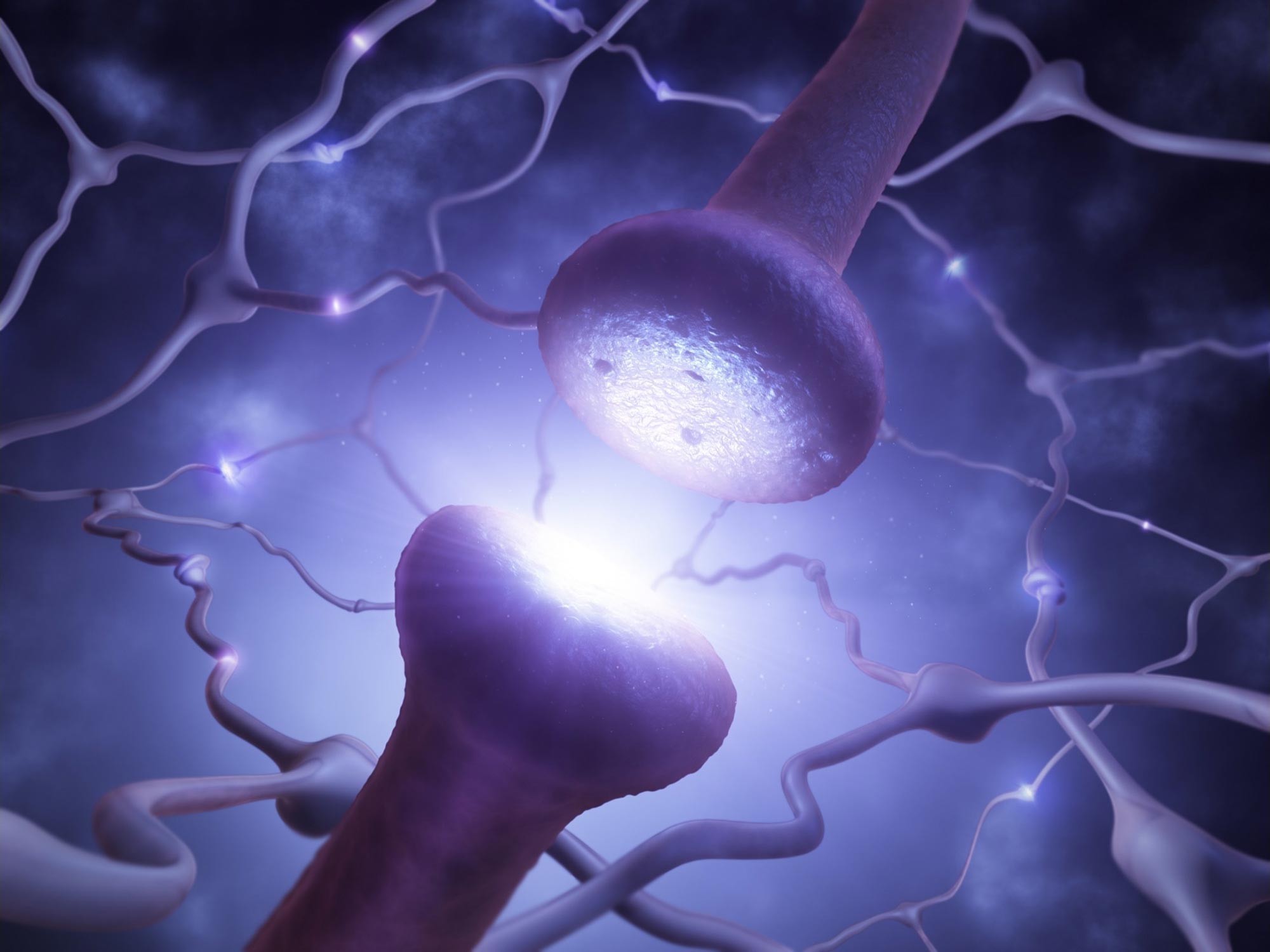
    The development of NeuM, a novel neuron labeling technology, represents a major step forward in the fight against neurodegenerative diseases. By enabling selective labeling and high-resolution imaging of neuronal membranes, NeuM facilitates the detailed study of neuron structures and their changes over time. This technology promises to be a vital asset in understanding and developing treatments for conditions like Alzheimer’s disease, offering hope for advancements in neurodegenerative disease research and therapy. Credit: SciTechDaily.com

    Scientists have developed ‘NeuM’, a neuron labeling technology enabling detailed observation of neuronal structure. Successful monitoring of neuronal changes for up to 72 hours.

    Alzheimer’s disease, Parkinson’s disease, and stroke stand as the leading trio of neurodegenerative conditions. These disorders are marked by the dysfunction and gradual deterioration of neurons, the nerve cells. To grasp the underlying mechanisms of these neurological conditions and to forge treatments, it is essential to have labeling technologies that enable the visualization of neuronal changes under both healthy and diseased conditions.

    A research team led by Dr. Kim Yun Kyung from the Brain Science Institute at the Korea Institute of Science and Technology (KIST), in collaboration with Professor Chang Young-Tae’s team from Pohang University of Science and Technology, has announced the development of a next-generation neuron labeling technology called NeuM. NeuM (Neuronal Membrane-selective) selectively labels neuronal membranes, visualizing neuronal structures and allowing real-time monitoring of neuronal changes.
    Researchers From Dr. Kim Yoon kyung’s Team at KIST
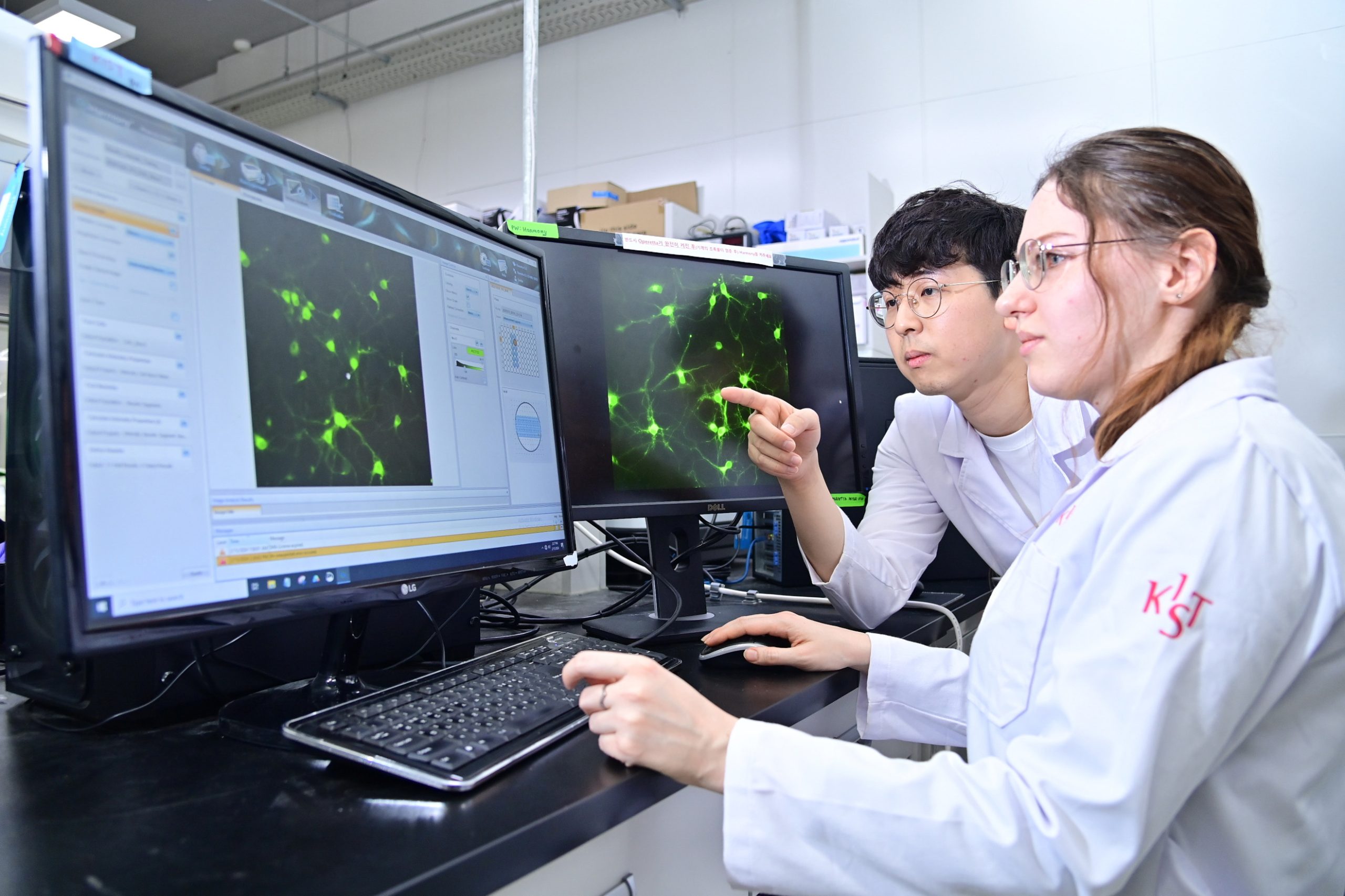
    Researchers from Dr. Kim Yoon-kyung’s team at KIST are utilizing the next-generation neuron labeling technology, ‘NeuM,’ to visualize neurons in real-time and examine high-resolution images. Credit: Korea Institute of Science and Technology

    Neurons continuously modify their structure and function to transmit information from sensory organs to the brain, regulating thoughts, memories, and behaviors. Therefore, to overcome degenerative neurological diseases, it is essential to develop techniques that selectively label living neurons for real-time monitoring. However, current gene-based and antibody-based labeling technologies, commonly used to observe neurons, suffer from low accuracy and difficulty in long-term tracking due to their dependence on specific gene expression or proteins.

    Advantages and Capabilities of NeuM

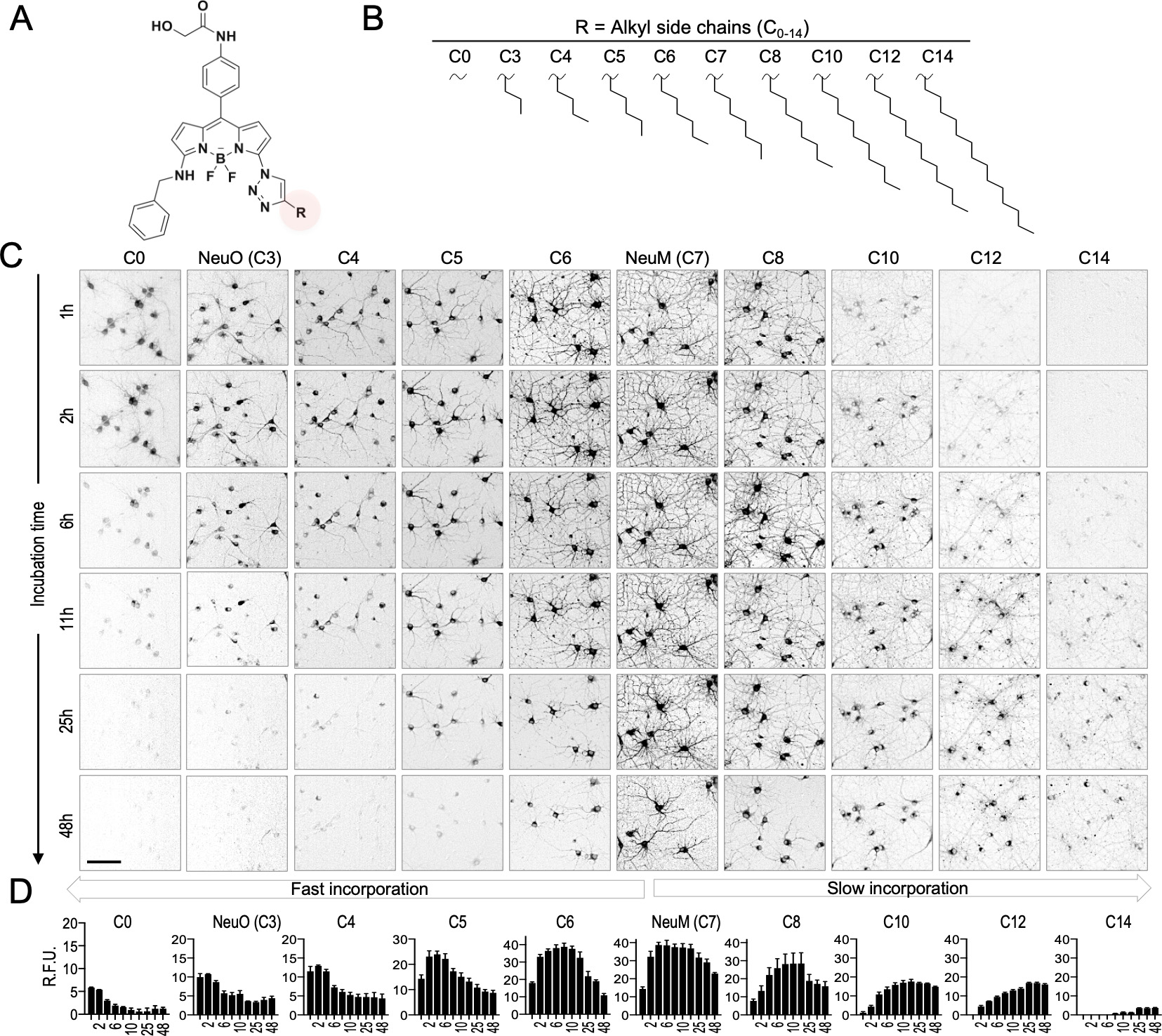
    NeuM, developed by the research team through the molecular design of neuronal cells, possesses excellent binding affinity to neuronal membranes, enabling long-term tracking and high-resolution imaging of neurons. The fluorescent probes within NeuM bind to neuronal membranes utilizing the activity of living cells, emitting fluorescent signals upon excitation by specific wavelengths of light. This visualization of neuronal membranes allows for detailed observation of neuronal terminal structures and high-resolution monitoring of neuronal differentiation and interactions.
    Molecular Design for Selective Labeling of Neuronal Membranes
    Molecular design for selective labeling of neuronal membranes. Credit: Korea Institute of Science and Technology

    NeuM, as the first technology to stain cell membranes through endocytosis in living neurons, exhibits selective reactivity towards living cells, excluding dead cells without internalization. Moreover, the research team has succeeded in extending the observation time of neurons from a mere 6 hours to up to 72 hours, enabling the capture of dynamic changes in living neurons over an extended period in response to environmental changes.

    NeuM is expected to provide insights into research and therapy development for degenerative neurological diseases, for which there are currently no cures. These diseases, including Alzheimer’s, result from neuronal damage due to the production of toxic proteins such as amyloid and the influx of inflammatory substances. NeuM’s precise observation of neuronal changes can effectively facilitate the evaluation of candidate therapeutic compounds.

    Dr. Kim stated, “NeuM, developed this time, can distinguish aging and degenerating neurons, becoming a crucial tool in elucidating the mechanisms of degenerative brain disorders and developing treatments.” He further added, “In the future, we plan to refine NeuM for even more precise analysis of neurons by designing fluorescence wavelengths to distinguish colors such as green and red.”

    Reference: “NeuM: A Neuron-Selective Probe Incorporates into Live Neuronal Membranes via Enhanced Clathrin-Mediated Endocytosis in Primary Neurons” by Yoonsik Sung, Lizaveta Gotina, Kyu Hyeon Kim, Jung Yeol Lee, Seulgi Shin, Hira Aziz, Dong Min Kang, Xiao Liu, Na-Kyeong Hong, Hong-Guen Lee, Jun-Seok Lee, Hyeyeong Ku, Cherlhyun Jeong, Ae Nim Pae, Sungsu Lim, Young-Tae Chang and Yun Kyung Kim, 7 December 2023, Angewandte Chemie International Edition.
    DOI: 10.1002/anie.202312942

    This research was supported by the Ministry of Science and ICT (Minister Lee Jong-ho) through KIST’s major projects and the Dementia Overcoming Project (RS-2023-00261784).

    Never miss a breakthrough: Join the SciTechDaily newsletter.
    Follow us on Google and Google News.

    Alzheimer's Disease Brain Korea Institute of Science and Technology Neuroscience Parkinson's Disease
    Share. Facebook Twitter Pinterest LinkedIn Email Reddit

    Related Articles

    AI Unlocks Long-Standing Biomedical Mystery Behind Alzheimer’s

    Scientists Uncover a Hidden Brain Plumbing System That Restores Memory

    Natural Remedy Reverses Alzheimer’s Symptoms in New Study

    Fixing Rogue Brain Cells To Treat Neurodegenerative Diseases Like Alzheimer’s and Parkinson’s

    Brewing a Cure: How Coffee Grounds Could Prevent Alzheimer’s, Parkinson’s, and Other Neurodegenerative Diseases

    Octopamine: The Brain’s SOS Signal Plays Crucial Role in Neurodegeneration

    A New Approach to Halting the Effects of Aging: Boosting Immune Cells Improves Brain Waste Clearance

    Simple Blood Test Can Accurately Reveal Underlying Neurodegeneration (Dementia, ALS)

    Identifying “The Terrorist Inside My Husband’s Brain” – Living Brain Imaging Can Clearly Differentiate Between Types of Dementia

    Leave A Reply Cancel Reply

    • Facebook
    • Twitter
    • Pinterest
    • YouTube

    Don't Miss a Discovery

    Subscribe for the Latest in Science & Tech!

    Trending News

    Scientists Recreate a Nuclear Fireball and Uncover Fallout’s Hidden Chemistry

    These Tiny Gut Particles Could Be Accelerating Aging Throughout the Body

    Doctors Changed One Thing and Weight Gain Stopped

    Magnetic Fields May Solve a Longstanding Binary Star Mystery

    The Probiotic Breakthrough for Natural Anxiety Relief and Better Mental Health

    Animal vs. Plant Protein: Scientists Found a Surprising Nutritional Difference

    According to Scientists, This Simple Dietary Change Is Linked to Lower Depression Scores

    Researchers Discover a Hidden Vitamin D Problem That Persists Year-Round

    Follow SciTechDaily
    • Facebook
    • Twitter
    • YouTube
    • Pinterest
    • Newsletter
    • RSS
    SciTech News
    • Biology News
    • Chemistry News
    • Earth News
    • Health News
    • Physics News
    • Science News
    • Space News
    • Technology News
    Recent Posts
    • Mini Brain Organoids Expose Hidden Biological Differences in Alzheimer’s Disease
    • Scientists Recommend Doing This To Reduce Anxiety During Pregnancy
    • Scientists Reveal What Happened When 12 People Were Trapped Together in Antarctica for 10 Months
    • Buried for 1.7 Billion Years: These Ancient Fossils May Rewrite the Story of Complex Life
    • NASA Spots Giant Ocean Swell Signaling a Potential El Niño Comeback
    Copyright © 1998 - 2026 SciTechDaily. All Rights Reserved.
    • Science News
    • About
    • Contact
    • Editorial Board
    • Privacy Policy
    • Terms of Use

    Type above and press Enter to search. Press Esc to cancel.