
Close Menu
    Facebook X (Twitter) Instagram
    SciTechDaily
    • Biology
    • Chemistry
    • Earth
    • Health
    • Physics
    • Science
    • Space
    • Technology
    Facebook X (Twitter) Pinterest YouTube RSS
    SciTechDaily
    Home»Health»Scientists Discover New Genetic Disease Behind Mysterious Muscle Weakness
    Health

    Scientists Discover New Genetic Disease Behind Mysterious Muscle Weakness

    By University of Missouri-ColumbiaOctober 28, 2025No Comments3 Mins Read
    Facebook Twitter Pinterest Telegram LinkedIn WhatsApp Email Reddit
    Share
    Facebook Twitter LinkedIn Pinterest Telegram Email Reddit
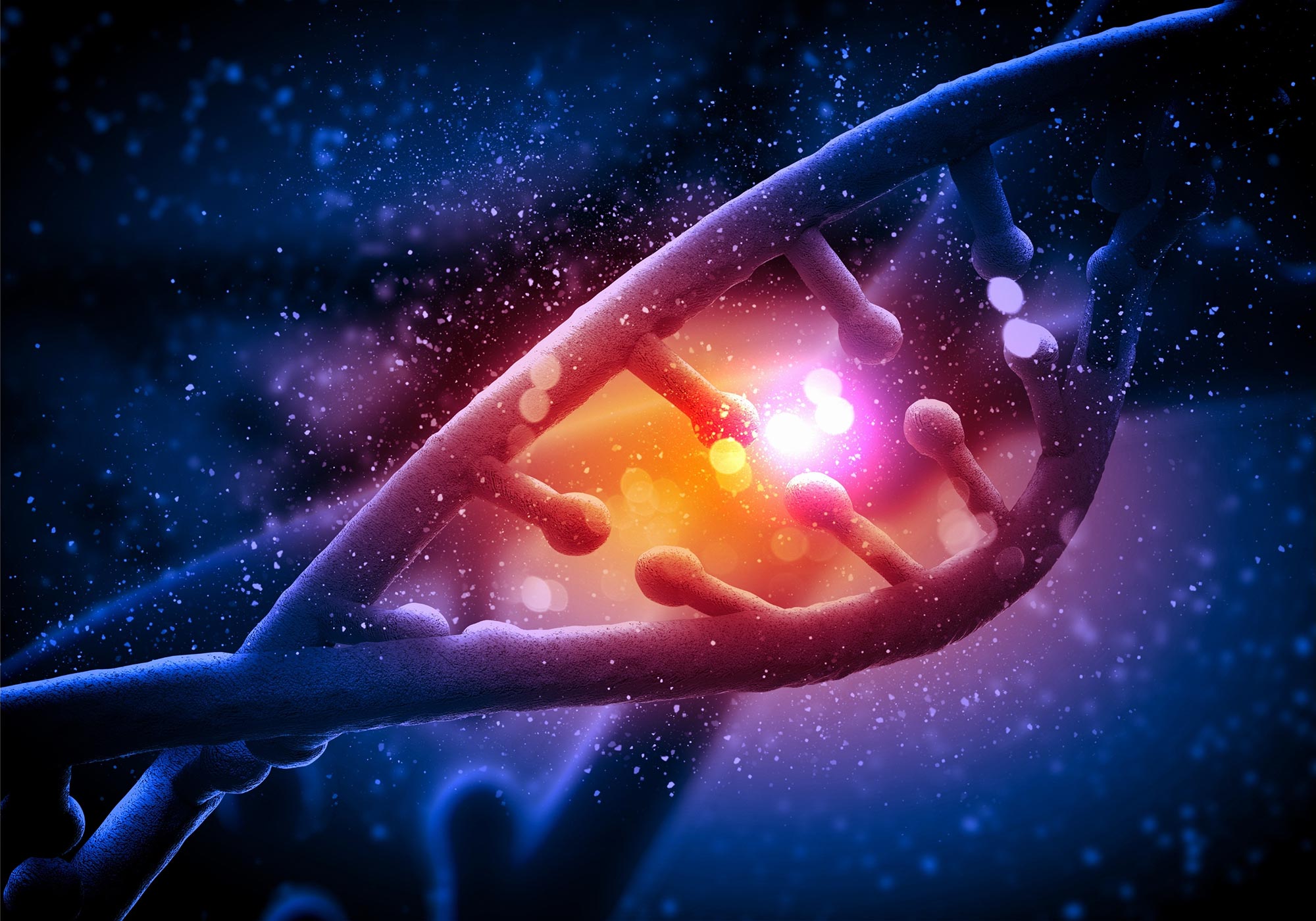
    Genetics Breakthrough DNA Concept
    Researchers have identified MINA syndrome, a newly discovered genetic disorder that disrupts nerve cell energy and movement control. Credit: Stock

    A University of Missouri-led discovery could pave the way for improved diagnosis and treatment of unexplained movement disorders.

    An international team of researchers led by Shinghua Ding at the University of Missouri has discovered a new genetic disorder that interferes with muscle control and movement.

    The condition, known as Mutation in NAMPT Axonopathy (MINA) syndrome, damages motor neurons, which are the nerve cells responsible for transmitting signals from the brain and spinal cord to muscles. It develops from a rare mutation in a key protein called NAMPT that supports the body’s ability to produce and use energy. When this protein malfunctions, cells cannot generate enough energy to maintain normal function.

    As energy levels drop, affected cells gradually weaken and die, leading to symptoms such as muscle weakness, coordination problems, and foot deformities that can become more severe with time. In advanced cases, individuals may lose mobility and require the use of a wheelchair.

    “Although this mutation is found in every cell in the body, it seems to primarily affect motor neurons,” Ding, a professor in Mizzou’s College of Engineering, said. “We believe nerve cells are especially vulnerable to this condition because they have long nerve fibers and need a lot of energy to send signals that control movement.”

    From research to discovery

    This discovery builds on years of foundational research by Ding and his collaborators.

    In 2017, Ding published a landmark study showing that NAMPT is critical for maintaining healthy neurons. He found that a lack of NAMPT in nerve cells leads to paralysis and symptoms similar to ALS, a well-known motor neuron disease.

    That finding caught the attention of a medical geneticist in Europe, who later reached out to Ding after seeing two patients with unexplained muscle weakness and coordination issues. The doctor asked if Ding’s team could investigate.

    Ding and collaborators studied the patients’ cells and a mouse model. They found both patients had the same NAMPT mutation, confirming it was the cause of the disease. Interestingly, the mice carrying the mutation did not show visible symptoms, but their nerve cells displayed the same internal problems seen in the human cells.

    “This shows why studying patient cells is so important,” Ding said. “Animal models can point us in the right direction, but human cells reveal what’s really happening in people.”

    While there’s no cure yet for MINA syndrome, researchers are already testing ways to boost energy levels in affected nerve cells.

    This research marks a significant step forward in understanding rare genetic diseases and how disruptions in cellular energy metabolism can affect nerve health. It also demonstrates how basic scientific research can lead to discoveries that have direct implications for patients living with rare, unexplained conditions.

    Reference: “A sensory and motor neuropathy caused by a genetic variant of NAMPT” by Zhe Zhang, Jacek Pilch, Samuel Lundt, Nannan Zhang, Yongchang Chang, Tracey Singer, Dariusz Śladowski, Xiao-Ling Hu, Lijun Zheng, Woo-Ping Ge, Hua Zhang, De-Pei Li, Xianlin Han, Rafal Ploski and Shinghua Ding, 26 September 2025, Science Advances.
    DOI: 10.1126/sciadv.adx2407

    Never miss a breakthrough: Join the SciTechDaily newsletter.
    Follow us on Google and Google News.

    Genetics Molecular Biology Neurology University of Missouri-Columbia
    Share. Facebook Twitter Pinterest LinkedIn Email Reddit

    Related Articles

    Researchers Solve Long-Standing Puzzle of Rare Neurological Disorder

    Scientists Discover Hidden Cause of Alzheimer’s Hiding in Plain Sight

    Physical Exercise Improves Cognition in Alzheimer’s Disease

    Scientists Discover Gene Critical for a Healthy Brain

    New Strategy for the Elimination of Cancer Stem Cells and Cancer Recurrence

    Scientists Report a Major Breakthrough in Alzheimer’s Disease

    International Research Collaboration Reveals Mutations in DCHS1 Cause Mitral Valve Prolapse

    Scientists Discover a Gene for Brain Size

    Role of the SMN Gene in Spinal Muscular Atrophy

    Leave A Reply Cancel Reply

    • Facebook
    • Twitter
    • Pinterest
    • YouTube

    Don't Miss a Discovery

    Subscribe for the Latest in Science & Tech!

    Trending News

    Wasp Colonies Explode Into Violence After Losing Their Queen

    Scientists Create “Living Plastic” That Self-Destructs in Just Six Days

    Your Blood May Carry a 700-Million-Year-Old Secret

    Scientists Discover Some “Zombie Cells” May Actually Help You Live Longer

    Earth May Be Seeding Venus With Life, According to New Research

    What Scientists Found Inside a 117-Year-Old Woman Reveals New Clues to Long Life

    Scientists Discover Mysterious Creature Living in the Great Salt Lake – and It Exists Nowhere Else on Earth

    It’s Alive? Surprising Discovery Changes What We Know About Fog

    Follow SciTechDaily
    • Facebook
    • Twitter
    • YouTube
    • Pinterest
    • Newsletter
    • RSS
    SciTech News
    • Biology News
    • Chemistry News
    • Earth News
    • Health News
    • Physics News
    • Science News
    • Space News
    • Technology News
    Recent Posts
    • Scientists Discover a Bizarre Crocodile Cousin That Walked Like a Dinosaur
    • How Pigeons Find Their Way Home May Finally Be Solved
    • This Dinosaur Had the Claws of a Raptor but Hunted Like a Heron
    • Doctors May Need To Rethink Calcium and Vitamin D Recommendations After Major Review
    • Researchers Suspected Brain Inflammation in Long COVID but Found Something Else
    Copyright © 1998 - 2026 SciTechDaily. All Rights Reserved.
    • Science News
    • About
    • Contact
    • Editorial Board
    • Privacy Policy
    • Terms of Use

    Type above and press Enter to search. Press Esc to cancel.