
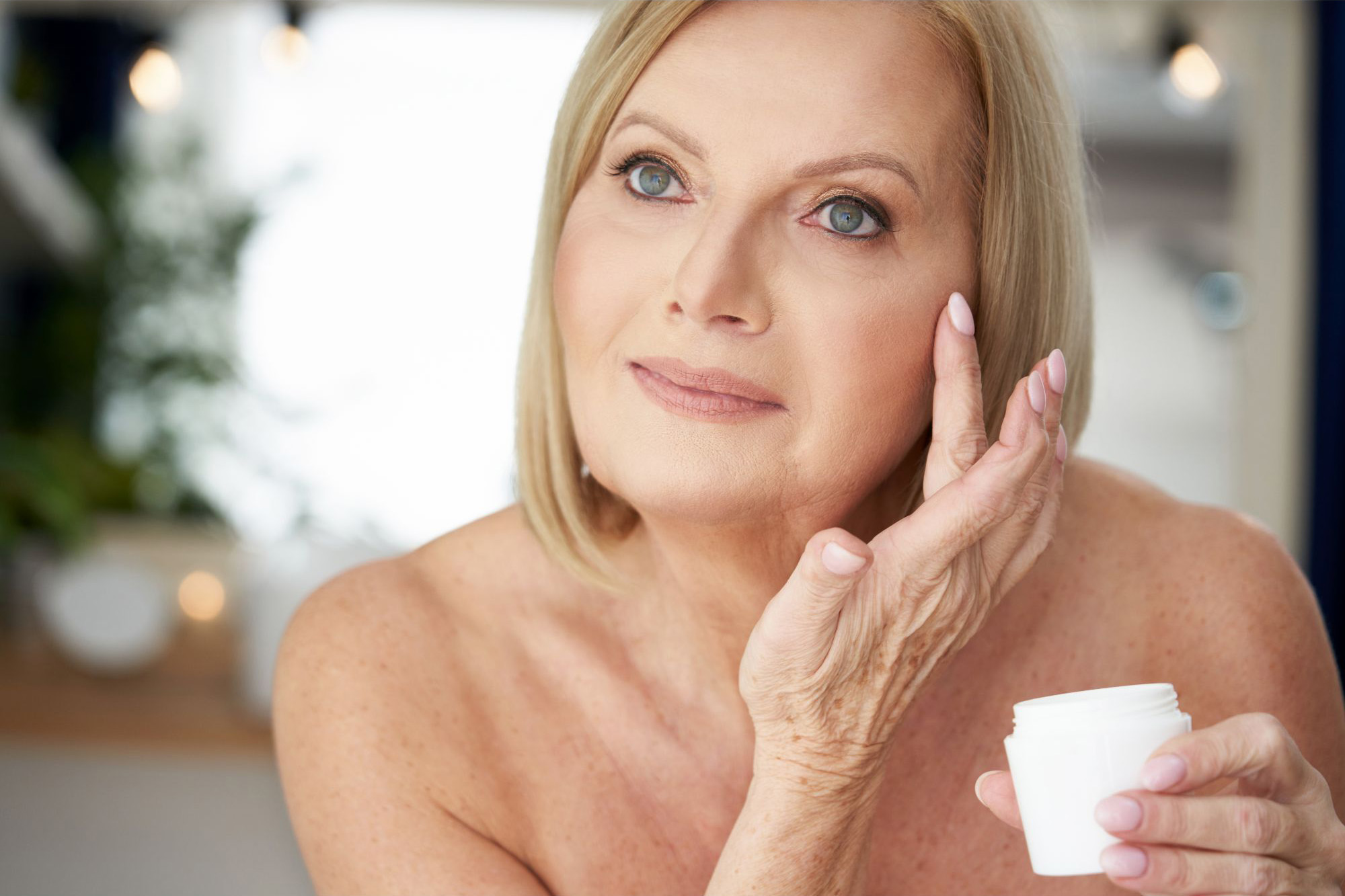
Microplastics in leave-on cosmetics, such as sunscreens and lip balms, are being overlooked by researchers and regulators. While most regulations focus on rinse-off products, leave-on products could contribute significantly to environmental pollution and health risks.
A new critical review by scientists at the University of Birmingham reveals that research and regulators are overlooking microplastics used in leave-on cosmetic and personal care products.
The paper was published in the Journal of Hazardous Materials and reveals a concerning lack of testing on leave-on products such as sunscreens, moisturizers, hand-sanitizers, deodorants, and lipsticks, which could contain ingredients that carry both environmental and health implications.
Dr Anna Kukkola from the University of Birmingham said: “We have conducted a comprehensive systematic review of the current state of knowledge regarding microplastics in cosmetic and personal care products. Our analysis reveals a significant oversight in current research and global regulatory frameworks that predominantly concentrate on rinse-off products.
“The contribution of “leave-on” cosmetics to microplastic pollution is a critical, yet underexplored aspect of environmental contamination. These particles will eventually end up in wastewater treatment plants or landfills, from which they can reach aquatic environments. What’s more, despite the likely extensive skin exposure to microplastics through such products, there is a surprising lack of research to investigate the associated health effects, with no studies found on microplastic exposure identified in this review.”
Gaps in Research on Leave-On Products
The research found that, of 2,381 products studied, only two were leave-on products. Possible reasons for this gap include difficulties in extracting microplastics from complex oil-based formulations, or lack of public pressure born of various bans on microplastics in rinse-off products, making it appear to the public as though this area is being adequately dealt with by regulatory bodies and authorities.
Dr Kukkola continues: “Overall, the quantities and characteristics of microplastics in cosmetic and personal care products outside the group of rinse-off products such as facial scrubs and toothpastes are largely unknown. This could be down to the fact that it is much more complex to test leave-on formulas for the presence of these harmful particles than testing of their rinse-off counterparts. Alternatively, the lack of research into leave-on products could be due to the public perception, driven by industry advertising that the microplastic issue in such items has been adequately handled, when this is in fact far from the case. The only regulatory measure adequately handling leave-on cosmetics is the new European Union microplastic ban which comes into effect in stages – from 2027 for rinse-off cosmetics, in 2029 for leave-on cosmetics, and not until 2035 for lip, nail, and makeup products, as all others focus only on rinse-off products.
“From a health perspective, the reality is that there is very little knowledge about what happens to these products after they are applied to the skin. There are several possible routes through which these ingredients can be taken up by our bodies, depending on the mode of application of the product. Lip balms can be swallowed for example, while it is possible that smaller-sized plastic particles could penetrate through the skin and into the body, via hair follicles and sweat ducts (called the transappendageal route). Given how much of these formulas our bodies can and do absorb, it is concerning that little to no research has taken place to investigate the associated health effects, something that needs to be rectified.”
Misuse of the Term “Microbeads”
The paper suggests that the term “microbead”, which specifically applies to “rinse-off” products, has been misused as a catch-all phrase for all microplastics in cosmetics and personal care products in the literature related to product testing, and argues that this has resulted in shortfalls in microplastic regulations globally, which have been skewed towards the “rinse-off” products. Thus, a potentially significant part of the microplastic contamination from leave-on products is being unintentionally missed from global legislation.
Dr Kukkola concludes: “This research effectively demonstrates that leave-on products are chronically understudied, leading to a major knowledge gap, and highlights the importance of developing new analytical methodologies to aid future regulatory enforcement efforts.”
Building on this analysis, collaborative funding via the Birmingham-Illinois Partnership for Discovery, Engagement & Education (BRIDGE) has been secured by Prof. Iseult Lynch (University of Birmingham) and Dr Sophie Comer-Warner (University of Illinois Urbana-Champaign) to develop methods for extraction, analysis and identification of microplastics from leave-on cosmetics, to begin to fill in the identified knowledge gaps.
Prof. Lynch notes that “While the microplastics themselves might be relatively benign, a number of other chemicals are intrinsically bound into or onto the microplastics in complex leave-on formulations, including potentially PFAS, plasticizers and other chemicals known to be either carcinogens or endocrine disruptors. Our BRIGDE project will specifically develop workflows to extract the microplastics and their associated chemicals, enabling proper analysis of the potential toxicological consequences of daily exposure via cosmetics and personal care products.”
Reference: “Beyond microbeads: Examining the role of cosmetics in microplastic pollution and spotlighting unanswered questions” by Anna Kukkola, Andrew J. Chetwynd, Stefan Krause and Iseult Lynch, 27 June 2024, Journal of Hazardous Materials.
DOI: 10.1016/j.jhazmat.2024.135053
Never miss a breakthrough: Join the SciTechDaily newsletter.
Follow us on Google and Google News.
1 Comment
21:10:24. As I said before, you don’t need or have to be Rockets Scientists to know that Eating or Consuming Soaps / Chemicals / toothpaste / Poison and body Creams is going to kills or damage you. They’re all Poison. Causes different types of Deasesses, Sickness and Pain to your body and your DNA. Thanks to those Scientists and researchers about this. Thanks. M. Luke.