
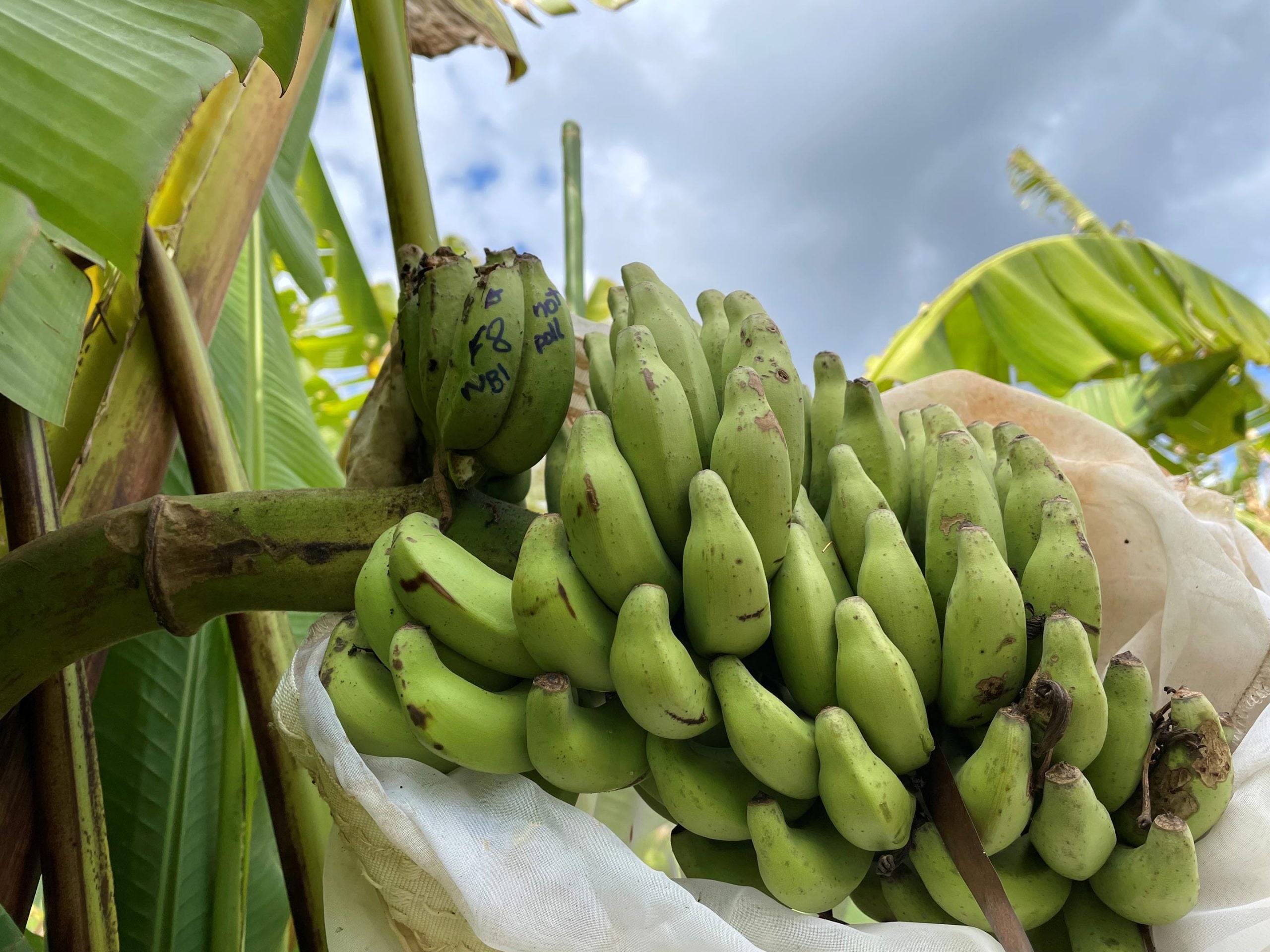
A wild banana’s hidden gene may help save the world’s favorite fruit from a relentless fungal threat.
Scientists have identified a powerful source of natural resistance to a fungal disease that threatens banana crops worldwide, uncovering it in a wild subspecies of the fruit.
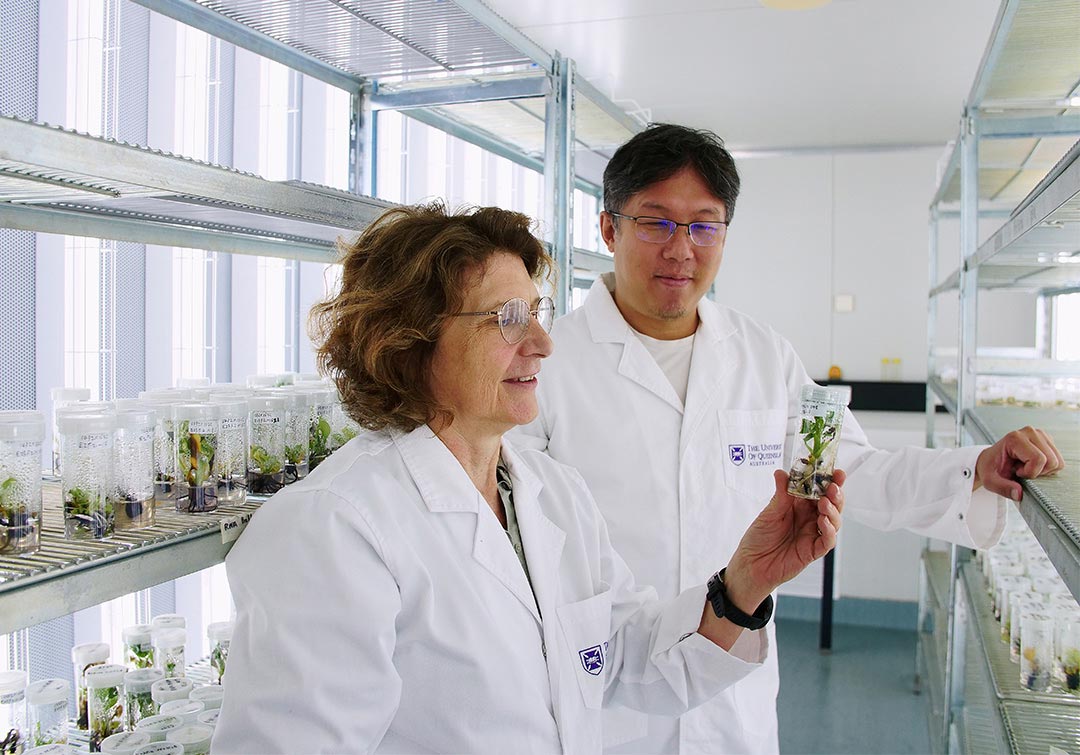
Researchers at The University of Queensland, led by Dr. Andrew Chen and Professor Elizabeth Aitken, located the specific genomic region responsible for resistance to Fusarium wilt Sub Tropical Race 4 (STR4), a damaging strain of Panama disease. The finding marks a major advance for banana breeding programs seeking long-term solutions to this growing agricultural threat.
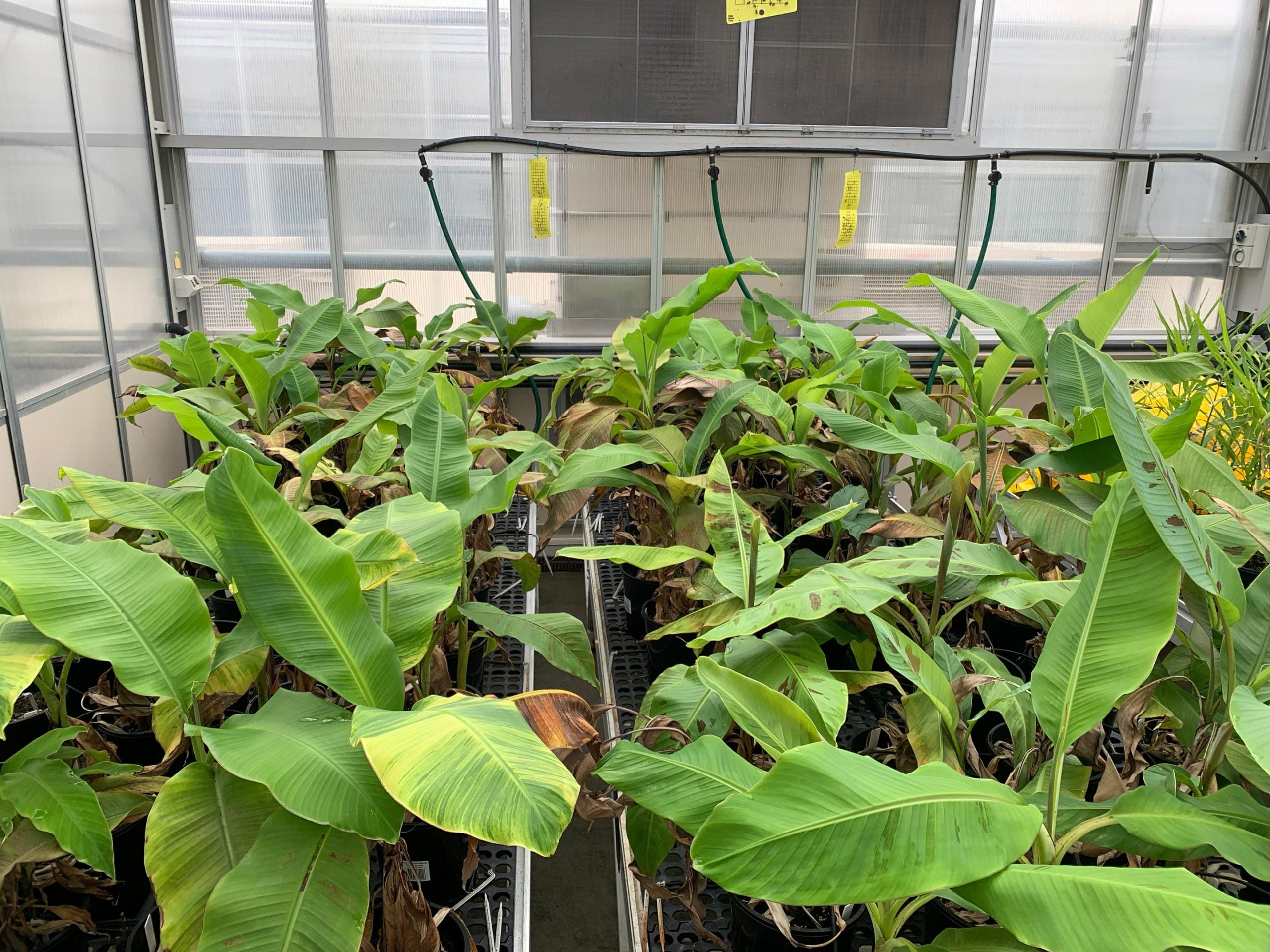
Panama Disease and the Global Banana Threat
“Fusarium wilt – also known as Panama disease – is a destructive soil-borne disease which impacts farmed Cavendish bananas worldwide through its virulent Race 4 strains,” Dr. Chen said.
The fungus spreads through the soil, infecting banana plants and causing them to wilt and die. Once established, it can persist in the ground, contaminating fields and threatening future plantings.
“Identifying and deploying natural resistance from wild bananas is a long-term and sustainable solution to this pathogen that wilts and kills the host plant leaving residue in the soil to infect future crops,” Dr. Chen explained.
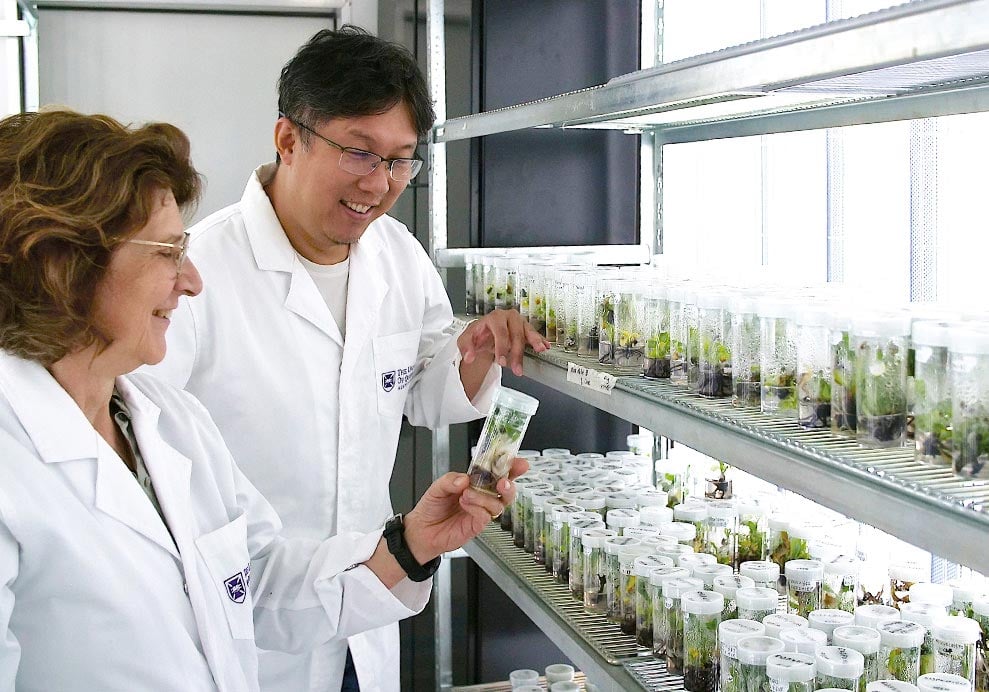
Pinpointing STR4 Resistance in Calcutta 4
The team traced the resistance trait to a wild diploid banana known as Calcutta 4. To uncover the genetic source, they crossed Calcutta 4 with susceptible bananas from another subspecies within the diploid banana group.
“We’ve located the source of STR4 resistance in Calcutta 4, which is a highly fertile wild diploid banana, by crossing it with susceptible bananas from a different subspecies of the diploid banana group,” Dr. Chen said.
After growing the resulting plants, researchers exposed them to STR4. They then compared the DNA of plants that survived infection with those that succumbed to the disease.
“After exposing the new progeny plants to STR4, we examined and compared the DNA of the ones which succumbed to the pathogen and those that didn’t.
“We mapped STR4 resistance to chromosome 5 in Calcutta 4.
“This is a very significant finding; it is the first genetic dissection of Race 4 resistance from this wild subspecies.”
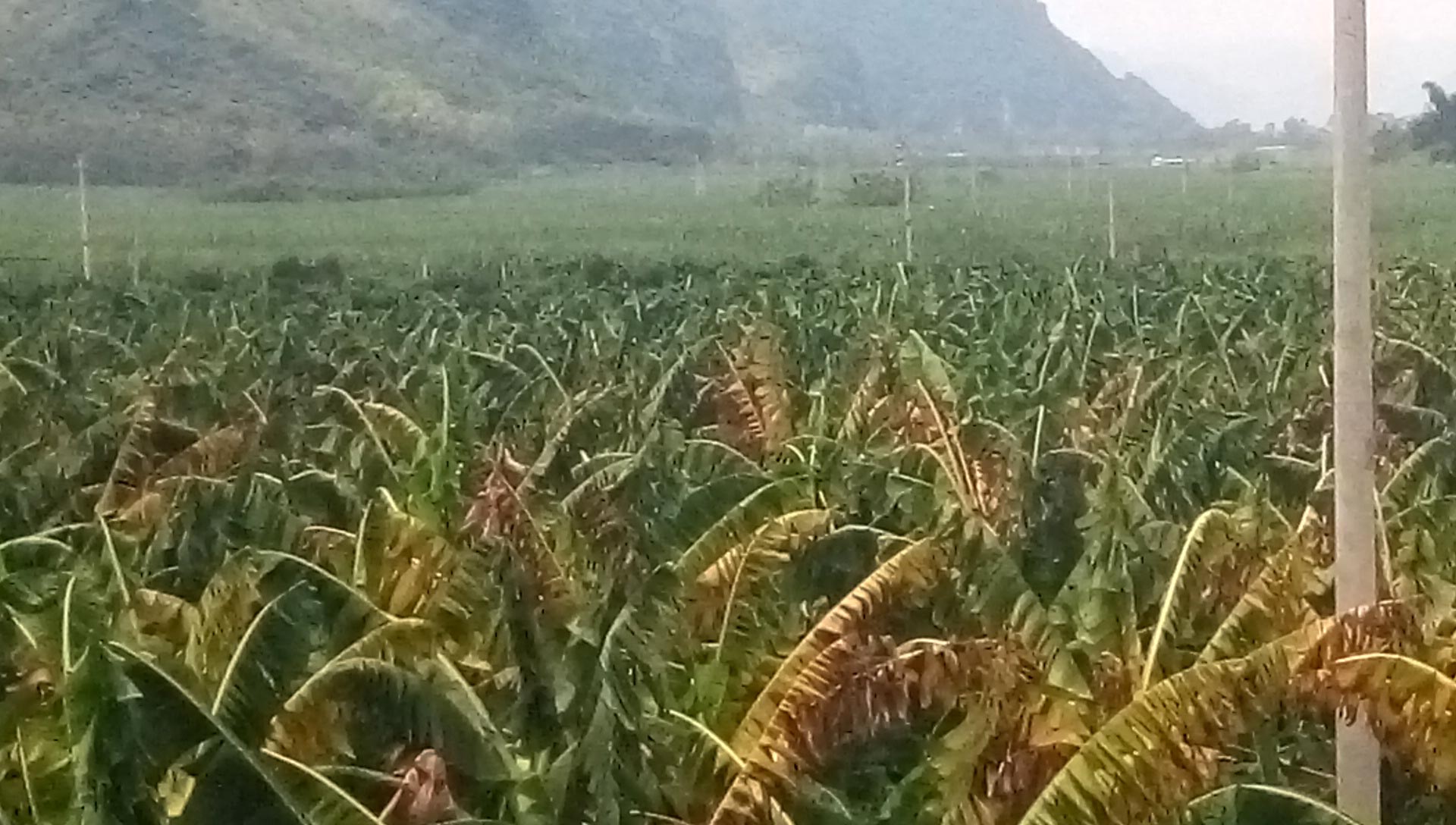
Five Years of Genetic Research
The project, carried out by the School of Agriculture and Food Sustainability, took five years to complete. Each new generation of banana crosses had to grow for at least 12 months before scientists could test them for disease resistance and continue breeding once they flowered.
To achieve the breakthrough, the team combined forward genetics (population development and disease screening), genome sequencing, and bulked segregant analysis.
Toward Fusarium Wilt-Resistant Bananas
Dr. Chen said the discovery lays the groundwork for developing commercial banana varieties that can withstand Fusarium wilt.
“While Calcutta 4 provides crucial genetic resistance, it isn’t suitable as a commercial cultivar because it doesn’t produce fruit which are good to eat,” he said.
The next goal is to translate this knowledge into practical tools for breeders.
“The next step is to develop molecular markers to track the resistance trait efficiently so plant breeders can screen seedlings early and accurately before any disease symptoms appear.
“This will speed up selection, reduce costs, and hopefully ultimately lead to a banana that is good to eat, easy to farm, and naturally protected from Fusarium wilt through its genetics.”
STR4 affects banana crops in subtropical regions around the world. It is a genetic variant of Tropical Race 4 (TR4), which is found in Australia.
The study was funded by Hort Innovation through banana industry levy funds, along with contributions from the Australian Government. The findings will help guide future Hort Innovation investments aimed at turning these genetic discoveries into practical breeding tools and encouraging adoption across the banana industry.
The results are published in Horticulture Research.
Reference: “Identification of a QTL conferring resistance to the Subtropical Race 4 of Fusarium oxysporum f. sp. cubense in Calcutta 4 (Musa acuminata ssp. burmannica)” by Andrew Chen, Guillaume Martin, Altus Viljoen, Jiaman Sun, Emily Rames, Nabila Yahiaoui, Angelique D’hont, Brett J Ferguson, Rony Swennen, Robert J Henry, Rajeev K Varshney and Elizabeth A B Aitken, 9 January 2026, Horticulture Research.
DOI: 10.1093/hr/uhag001
Never miss a breakthrough: Join the SciTechDaily newsletter.
Follow us on Google and Google News.
1 Comment
Lets hope that this research bears fruit.